Flight at Midnight
1939
No user ratings available yet
Diversity score: 2.6 out of 10
1943
ApprovedDirector
Arthur Dreifuss
Runtime
73 minutes
Average Rating
No ratings yetSynopsis
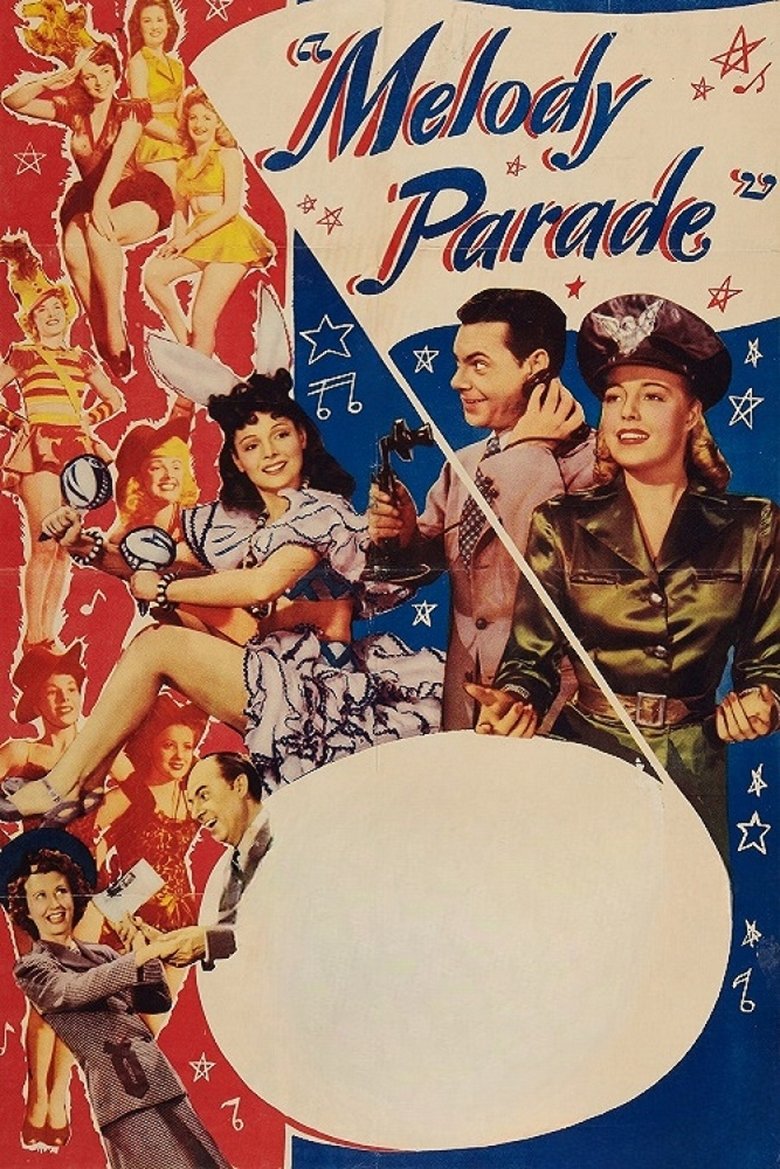
The owner and staff of a Hollywood nightclub struggle to keep their establishment from closing.
Overall Score
Limited
Category Breakdown
LGBTQ+ Representation
The film lacks evidence of non-cisnormative identities or same-sex intimacy. It likely adheres to the heteronormative romantic tropes common to 1943 musical dramas.
Gender Representation
The narrative appears to rely on traditional gender roles and social hierarchies. While female performers may have a presence, there is no indication of subverted masculinity or female intellectual dominance.
Racial & Ethnic Diversity
The film likely focuses on mainstream, Anglo-centric social structures within its Hollywood nightclub setting. There is no evidence of a non-white majority cast or significant racial blending.
Religious & Cultural Diversity
Themes likely prioritize social cohesion and conventional morality over the deconstruction of Western institutions. The story reinforces mid-century values regarding community and professional perseverance.
Disability Representation
There is no documented evidence of characters with disabilities portrayed with agency. Such roles were often omitted or relegated to minor parts in 1940s escapist musicals.
Strengths
Areas for Improvement
AI Analysis
Melody Parade is a product of the 1943 Hollywood studio system, a period defined by strict production codes and homogeneous casting. The film's focus on a nightclub's survival suggests a narrative centered on conventional social structures and traditionalist values. Representation is limited by the era's systemic constraints. The film lacks visible queer narratives, diverse racial casting, or characters with disabilities, instead favoring the mainstream, Anglo-centric standards of the Golden Age. Ultimately, the film functions as a standard musical drama that reinforces mid-century norms rather than challenging them through intersectional storytelling.
No reviews yet. Be the first to share your thoughts on this movie!
Use the rating form above to leave a star rating and optional review.