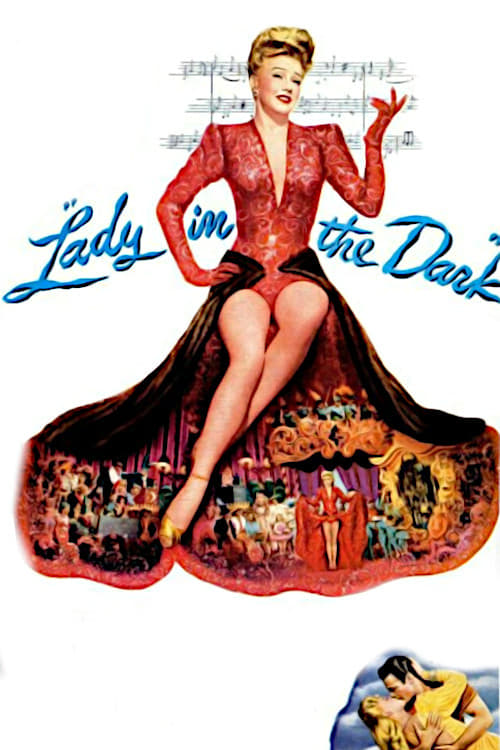
Lady in the Dark
1944
No user ratings available yet
Diversity score: 3.9 out of 10
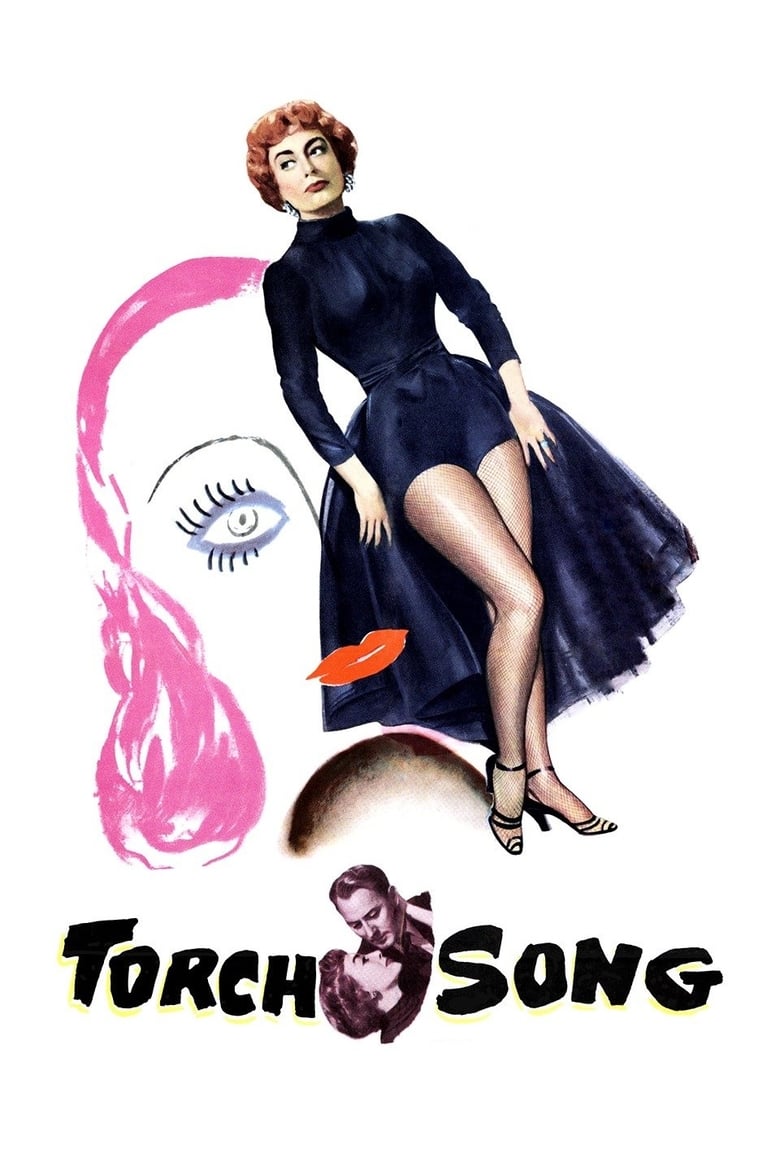
1953
ApprovedDirector
Charles Walters
Runtime
90 minutes
Average Rating
No ratings yetSynopsis
Jenny Stewart is a tough Broadway musical star who doesn't take criticism from anyone. Yet there is one individual, Tye Graham, a blind pianist who may be able to break through her tough exterior.
Overall Score
Fair
Category Breakdown
LGBTQ+ Representation
The film centers on a romantic dynamic between two male protagonists. It uses subtext and emotional intimacy to navigate the era's censorship, effectively challenging mid-century heteronormative tropes.
Gender Representation
Gender dynamics are bifurcated, focusing primarily on male-driven ambition. Female characters often serve as professional foils or catalysts rather than central agents of their own narrative arcs.
Racial & Ethnic Diversity
The production reflects systemic constraints of its era, featuring a cast that lacks racial breadth. The narrative operates within a homogeneous social sphere with little ethnic diversity.
Religious & Cultural Diversity
The story celebrates the New York theatrical community within an aspirational framework. It lacks significant religious or secularist commentary, prioritizing professional and romantic achievement over ideological discourse.
Disability Representation
Tye Graham, a blind pianist, is portrayed as a capable, complex individual. The narrative integrates his sensory experience into the plot without relying on caricature or inspiration porn.
Strengths
Areas for Improvement
AI Analysis
Torch Song stands as a fascinating contradiction of 1950s cinema. It manages to subvert social norms through a central male-male romantic arc, using subtle coding to bypass the era's strict censorship. This provides a layer of queer longing that disrupts standard romantic tropes of the time. However, these progressive elements are heavily offset by the film's lack of racial and ethnic diversity. The cast remains largely homogeneous, reflecting the systemic limitations of the studio system. The narrative focuses almost exclusively on a narrow, Anglo-Saxon theatrical ecosystem. Ultimately, the film's strength lies in its nuanced handling of disability and its quiet defiance of heteronormativity. While it fails to provide a diverse social landscape, it succeeds in presenting characters with agency and complex emotional lives.
1944
1955

1951
1937
1959
No reviews yet. Be the first to share your thoughts on this movie!
Use the rating form above to leave a star rating and optional review.