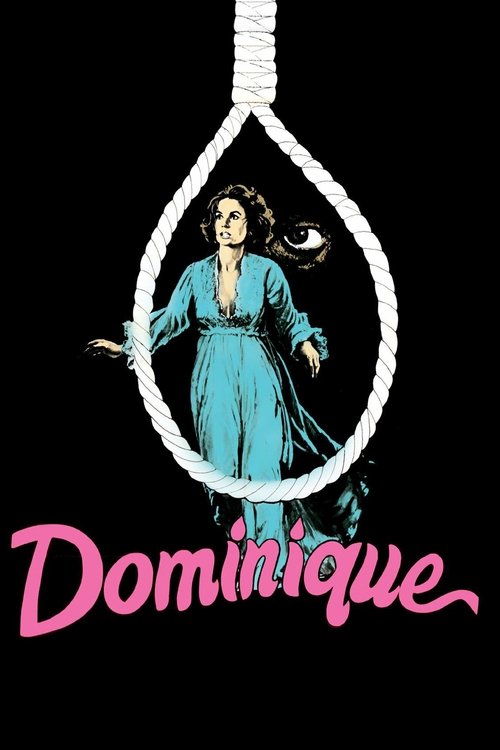
Dominique
1980
No user ratings available yet
Diversity score: 2.8 out of 10
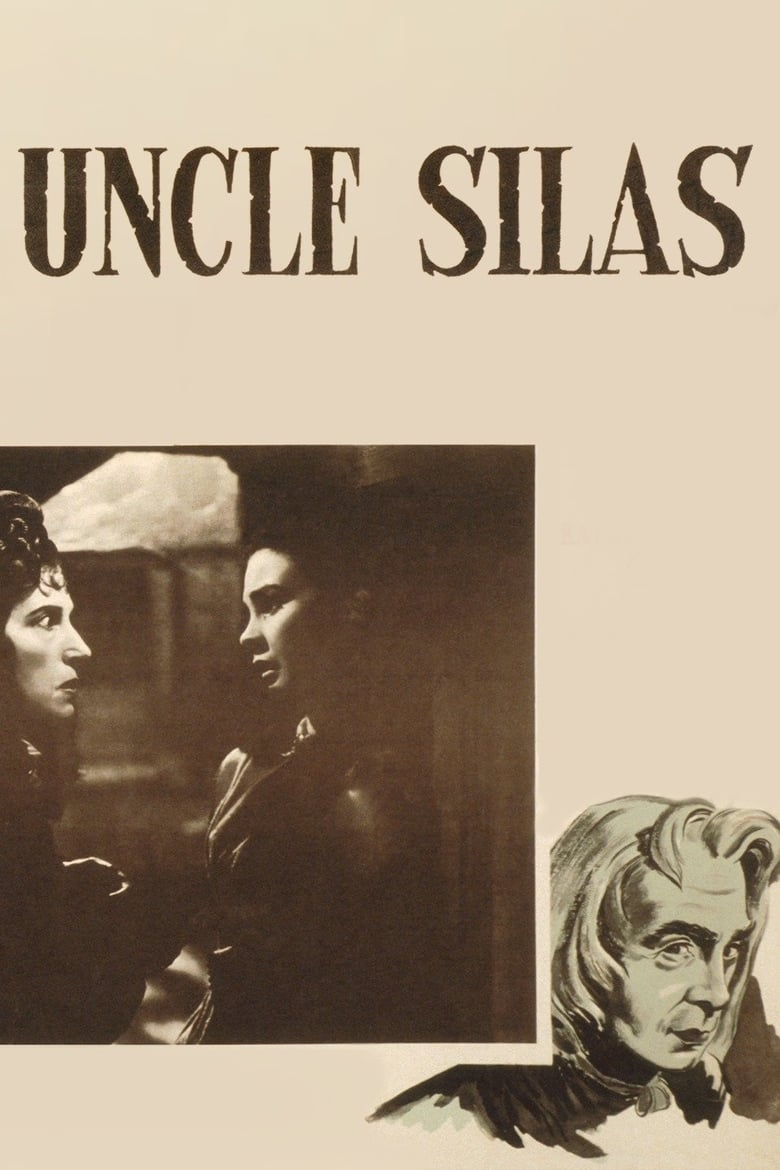
1947
Not RatedDirector
Charles Frank
Runtime
98 minutes
Average Rating
No ratings yetSynopsis
Following her father's death, a teenage heiress moves in with her guardian uncle who is broke and schemes to murder his niece for her vast inheritance.
Overall Score
Limited
Category Breakdown
LGBTQ+ Representation
The film adheres strictly to the heteronormative social structures of 1947. There is no presence of non-cisnormative identities or narratives that critique traditional norms.
Gender Representation
The story explores female vulnerability within a restrictive patriarchal framework. While the protagonist's agency is largely reactive, the film subverts the 'stable male leader' trope by framing the uncle as a sinister, greedy force.
Racial & Ethnic Diversity
The cast is homogeneous, reflecting the historical context of a 1940s British production. It operates within a traditional Anglo-Saxon framework without intentional ethnic diversity.
Religious & Cultural Diversity
The narrative is deeply embedded in Western class structures and the pursuit of wealth. It focuses on domestic and socioeconomic hierarchies rather than challenging institutional norms.
Disability Representation
There are no prominent depictions of physical or neurodivergent disabilities. The tension relies on psychological suspense rather than the lived experiences of disability.
Strengths
Areas for Improvement
AI Analysis
Uncle Silas is a period-accurate Gothic melodrama that reflects the demographic constraints of 1940s British cinema. It lacks intersectional complexity, focusing instead on a narrow, homogeneous social landscape. The film's strength lies in its subversion of patriarchal authority. By portraying the male guardian as a predatory and destabilizing figure, it offers a critique of male-dominated power structures, even if the female protagonist remains in a reactive position. However, the production offers almost no representation for LGBTQ+ individuals, diverse ethnic groups, or people with disabilities. It remains a strictly traditional, Anglo-Saxon tale of class and inheritance.
1980
1978
1945
1973
1969
2003
2009
No reviews yet. Be the first to share your thoughts on this movie!
Use the rating form above to leave a star rating and optional review.