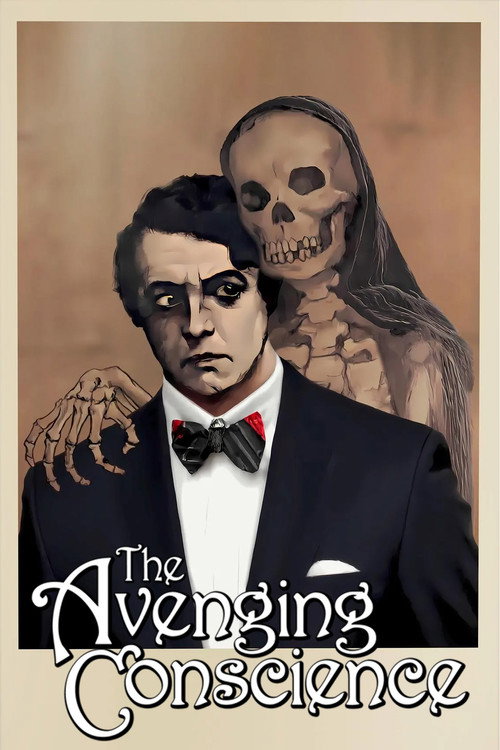
The Avenging Conscience
1914
No user ratings available yet
Diversity score: 1.7 out of 10
1915
Director
Yevgeni Bauer
Runtime
46 minutes
Average Rating
No ratings yetSynopsis
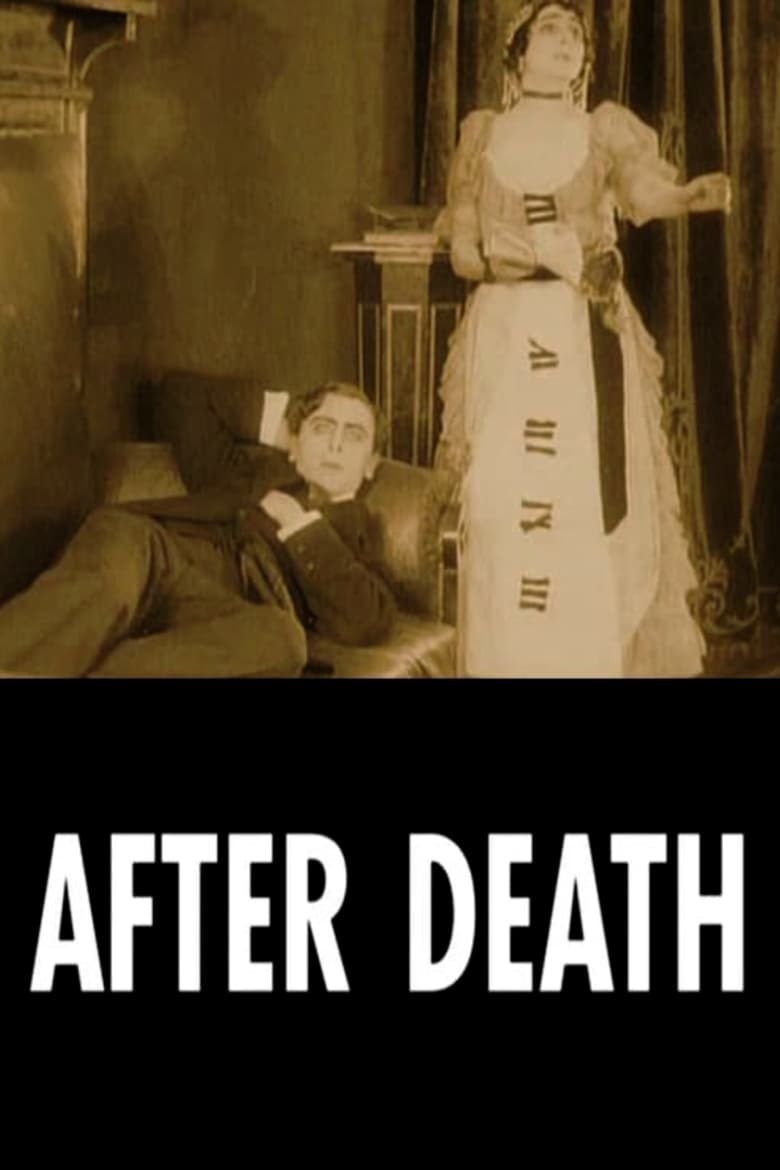
Young scholar Andrei, fascinated by haunting actress Zoia Kadmina, is surprised when she sends him a note. The two have a brief scheduled meeting, then three months later Andrei is shocked to learn she has died. He becomes obsessed with Zoia's memory and decides he must find out all that he can about her.
Overall Score
Limited
Category Breakdown
LGBTQ+ Representation
The film lacks evidence of non-cisnormative identities or same-sex romance. The plot centers on a traditional heterosexual fascination between a male scholar and a female actress.
Gender Representation
Zoia Kadmina serves as a central figure of fascination, though the male scholar drives the plot's momentum. The narrative appears to follow conventional early 20th-century gender hierarchies.
Racial & Ethnic Diversity
The setting reflects the homogeneous social structures of 1915 Russia. There is no evidence of racial blending or the subversion of casting norms within the narrative.
Religious & Cultural Diversity
Themes of obsession and mortality align with classical European dramatic traditions. The film focuses on individual psychological struggle rather than the critique of social institutions.
Disability Representation
There is no evidence of characters with physical or neurodivergent disabilities in the provided documentation.
Strengths
Areas for Improvement
AI Analysis
After Death is a psychological drama that adheres to the social and aesthetic conventions of the early 1900s. The narrative focuses on a scholar's obsession with a deceased actress, a premise rooted in traditional melodrama. While the film offers psychological depth through its central characters, it does not attempt to disrupt social hierarchies or include intersectional identities. It functions as a period-specific character study rather than a work of progressive representation. Ultimately, the film's value is found in its cinematic history and exploration of grief, rather than its diversity. It remains a product of its era's homogeneous social structures.
1914
1945

2015
1993
2007
1926
2011

1999

1988
1959
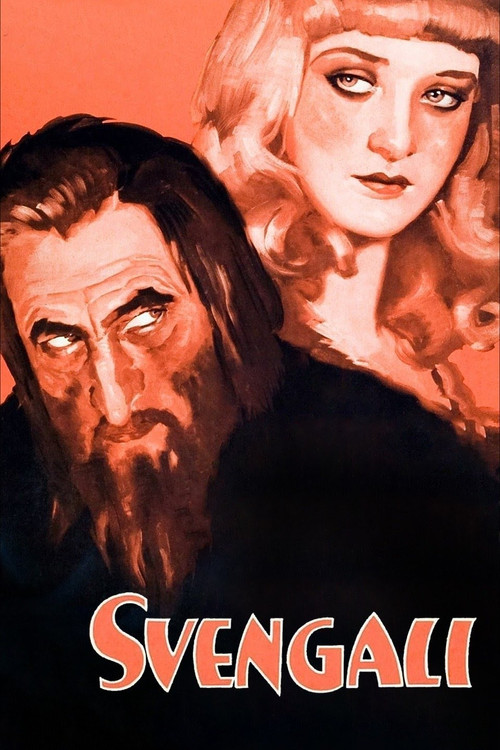
1931
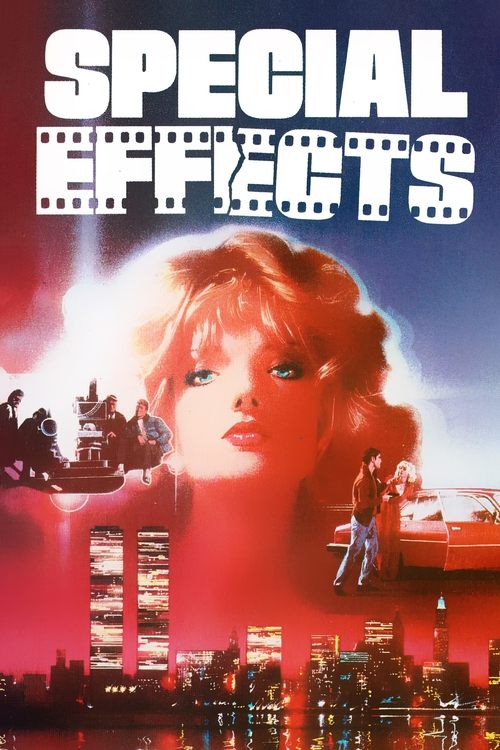
1984
No reviews yet. Be the first to share your thoughts on this movie!
Use the rating form above to leave a star rating and optional review.