
The Ritual
2009
No user ratings available yet
Representation score: 0.3 out of 10
Representation Score
Good
1998
Not RatedDirector
Philippe Grandrieux
Runtime
112 minutes
Average Rating
No ratings yetNew Showbiz Analysis
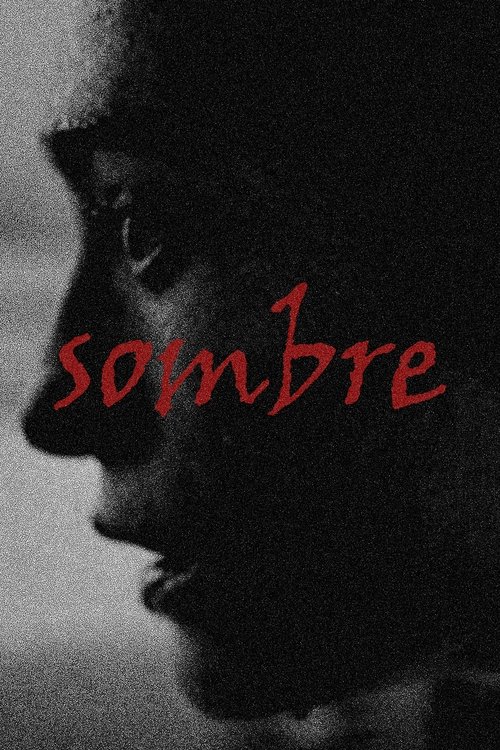
Sombre is a sensory experiment that prioritizes visceral experience over conventional storytelling. Through fragmented editing and extreme close-ups, it avoids many mainstream horror clichés, particularly those related to rigid gender roles. However, the film's heavy reliance on abstraction and darkness limits its ability to clearly represent social identities. The focus on primal impulses and environmental sensation results in a neutral representation profile that does not emphasize character-driven identity politics. Ultimately, the work serves as a postmodern exploration of the body. While it avoids many conservative narrative structures, it does not actively engage in social or political commentary through its characters.
Category Breakdown
The film does not explicitly depict non-binary genders or same-sex relationships. While there are moments of intimate interaction, there is no clear indication of intentional queer themes.
Characters are portrayed as elemental forces rather than traditional archetypes. The film breaks down typical victim and predator roles by emphasizing raw, unsettling physicality.
The heavy use of shadows and tactile imagery makes it difficult to identify characters by race or ethnicity. The rural, forested setting highlights sensory experiences over social identities.
By focusing on sensory abstraction, the film avoids promoting a single religious or traditional Western morality. It embraces moral relativism and subjective experience.
The narrative centers on the psychological and physical sensations of the protagonists. There is no indication of characters with visible or invisible disabilities.
Present on Screen
Limited or Absent
Official Synopsis
A serial killer stalks a woman he befriended after her car broke down.
2009
1999
1998
1986
1990

1981
2013

1986
No reviews yet. Be the first to share your thoughts on this movie!
Use the rating form above to leave a star rating and optional review.