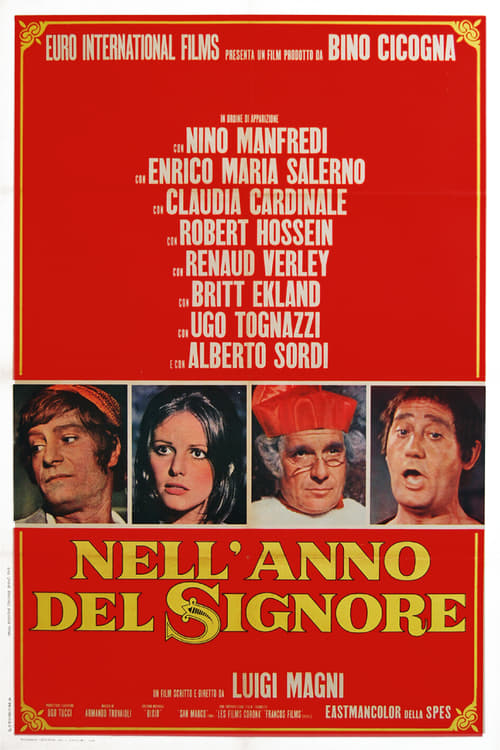
The Conspirators
1969
No user ratings available yet
Diversity score: 3.8 out of 10
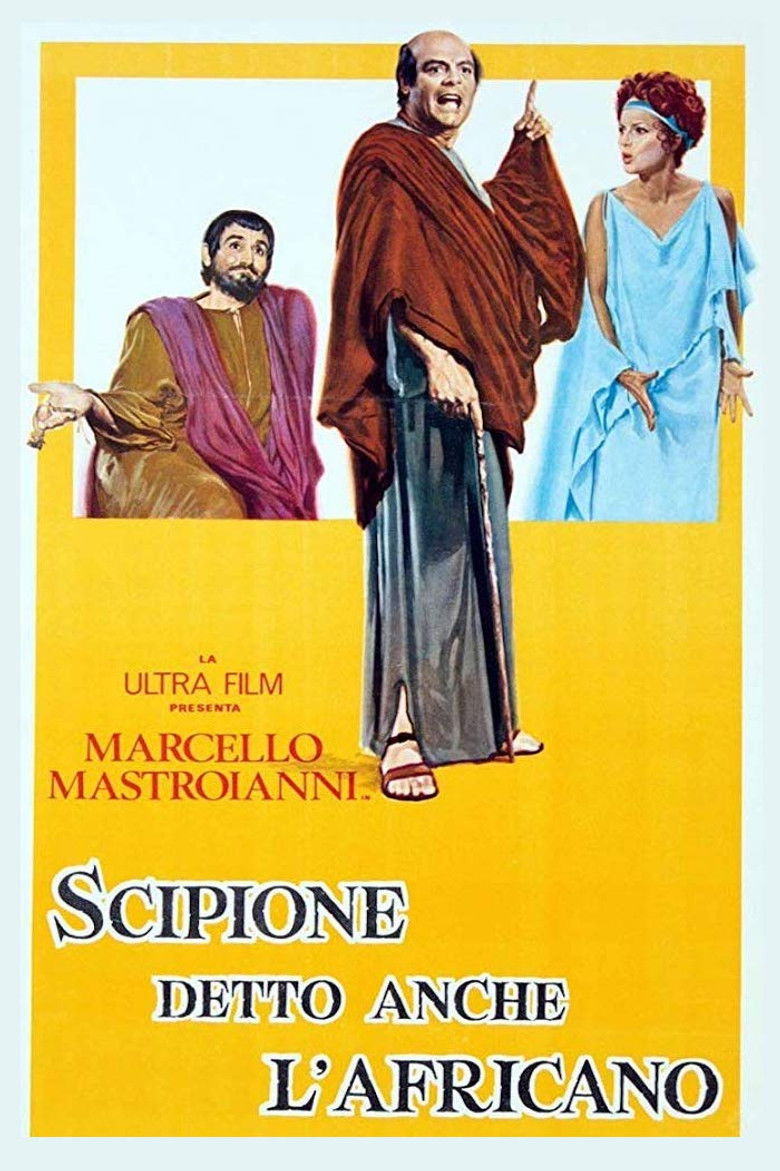
1971
Director
Luigi Magni
Runtime
104 minutes
Average Rating
No ratings yetSynopsis
Years after the Second Punic War, Scipio Africanus finds himself generally unliked, despite his defeat of Hannibal Barca. He and his brother, Scipio Asiaticus, are accused by Marcus Porcius Cato of the theft of 500 talents intended for Rome.
Overall Score
Limited
Category Breakdown
LGBTQ+ Representation
The film operates within a traditional historical framework. It does not feature non-cisnormative gender identities or same-sex intimacy, focusing instead on Roman political and military maneuvers.
Gender Representation
The narrative adheres to patriarchal structures of the late 3rd century BC. Female characters are largely relegated to domestic spheres, while central agency remains concentrated in male figures.
Racial & Ethnic Diversity
Casting and characterization reflect Mediterranean archetypes of the era. The story focuses on the geopolitical struggle between Rome and Carthage rather than exploring intersectional racial identities.
Religious & Cultural Diversity
The film offers a sophisticated critique of Western institutions. It portrays the Roman Senate as a self-serving, predatory force that undermines the integrity of the state.
Disability Representation
There is no significant evidence of characters with visible or invisible disabilities. The narrative focuses almost exclusively on macro-level political and military conflicts.
Strengths
Areas for Improvement
AI Analysis
Scipio the African is a historical critique that prioritizes systemic analysis over demographic variety. It functions as a deconstruction of empire, using the Roman Republic to examine how institutional corruption erodes individual morality. While the film lacks representation for LGBTQ+ identities, women, or people with disabilities, it finds its strength in cultural commentary. It subverts the traditional epic by framing the state as a corrupt entity rather than a pinnacle of civilization. Ultimately, the film's value lies in its political nuance. It trades modern social diversity for a deep, cynical look at how power and institutional decay impact even the most honorable citizens.
1969
1972
1995
1968

2000
1945
1980
1990
No reviews yet. Be the first to share your thoughts on this movie!
Use the rating form above to leave a star rating and optional review.