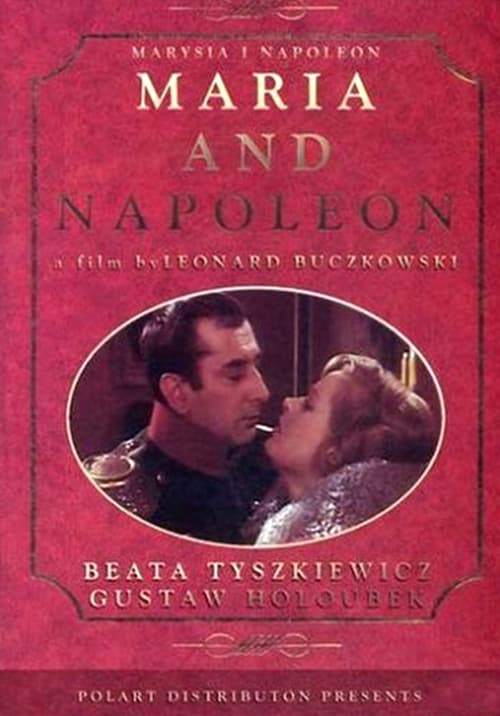
Maria and Napoleon
1966
No user ratings available yet
Representation score: 1.2 out of 10
Representation Score
Fair
1995
Director
Carla Camurati
Runtime
100 minutes
Average Rating
No ratings yetNew Showbiz Analysis
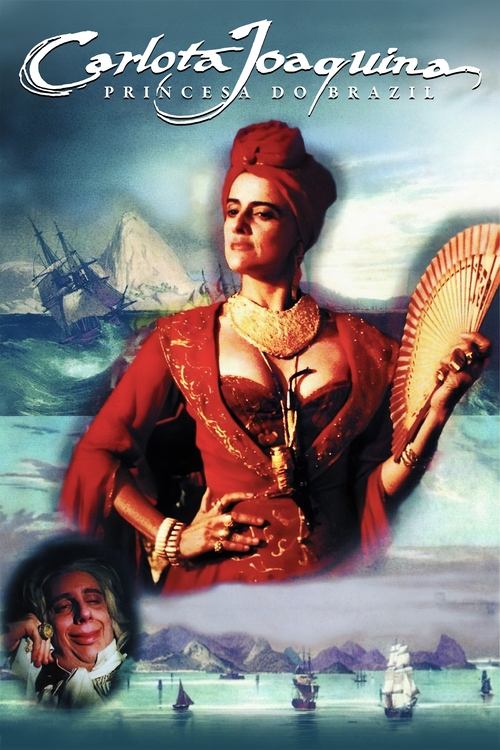
Carla Camurati’s film excels as a sophisticated post-colonial critique, using historical satire to deconstruct the perceived dignity of Western imperial authority. It effectively challenges traditional gender expectations by centering a volatile, non-idealized female protagonist. However, the film remains constrained by its focus on aristocratic decadence. While it addresses systemic tensions through its depiction of racial hierarchies, it lacks specific explorations of non-assuming gender matches what was assigned at birth identities or disability-driven narratives.
Category Breakdown
The film centers on political alliances and reproductive roles within a straight-centered context. It touches on sexual scandals and infidelity but frames these issues within the context of aristocratic decadence rather than exploring queer identity.
Carlota Joaquina challenges traditional hierarchies through her strong presence and volatility. The film highlights her political maneuvering and temperament within a chaotic royal court, disrupting conventional feminine archetypes.
The film accurately portrays the racial hierarchies of 19th-century colonial Brazil. It includes enslaved African populations to reflect the intersection of European aristocracy and colonial realities.
The film employs satire to critique Western institutions and the concept of divine right. It serves as an anti-imperialist critique of European monarchical norms imposed on South America.
There are no prominent depictions of visible or invisible disabilities that significantly influence the narrative.
Present on Screen
Limited or Absent
Official Synopsis
The Spanish Infanta Carlota Joaquina is promised to D. João VI at the age of 10. Forced to leave for Portugal, Carlota suffers a great disappointment when she meets her promised prince. With the death of D. José, Carlota Joaquina and D. João VI inherit the Portuguese crown. However, frightened by the French Revolution and the approach of Napoleon's army, they decide to flee to their colony: Brazil.
1966
1955
1969

1957
1931
1969
1971
1999
No reviews yet. Be the first to share your thoughts on this movie!
Use the rating form above to leave a star rating and optional review.