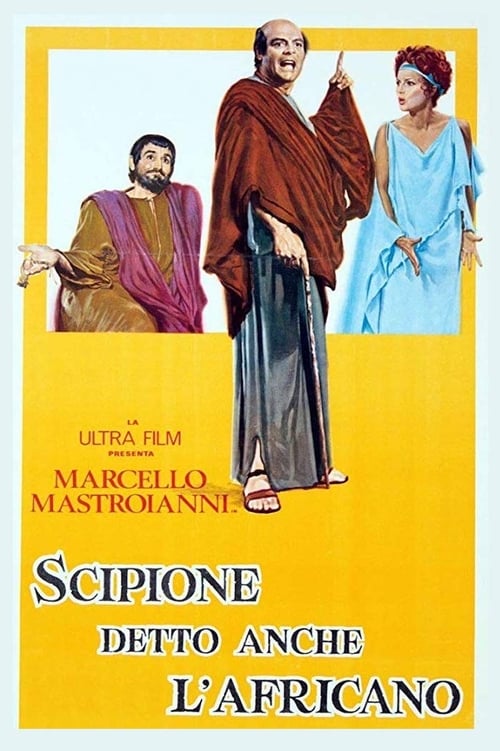
Scipio the African
1971
No user ratings available yet
Diversity score: 3.9 out of 10

1972
Director
Alfonso Brescia
Runtime
93 minutes
Average Rating
No ratings yetSynopsis
Ottone and Savio work hard to keep each other out of trouble with the Roman Centurions while scraping together food and drink with various scams. Emperor Nero's wife, the beautiful Poppea, takes an interest in Ottone, who after a short stint as a gladiator gets a region to manage and an army of his own to command, all the while assisted by his best friend and partner in crime Savio.
Overall Score
Fair
Category Breakdown
LGBTQ+ Representation
The film lacks explicit evidence of LGBTQ+ characters or non-heteronormative identities. The narrative focus centers on the romantic connection between Ottone and Poppea.
Gender Representation
Poppea occupies a position of significant agency, transitioning from a marginalized status to a figure of influence within the imperial court. The plot disrupts traditional hierarchies through these shifting social roles.
Racial & Ethnic Diversity
Set in the Roman Empire, the film's focus on the survivalist underclass allows for a potentially diverse portrayal of the Mediterranean social strata. However, specific casting details are not provided.
Religious & Cultural Diversity
The story critiques established institutions by framing the Roman imperial structure as a system to be subverted. The protagonists prioritize situational ethics and survival over traditional civic virtues.
Disability Representation
There is no evidence regarding the portrayal of physical or neurodivergent disabilities in the narrative.
Strengths
Areas for Improvement
AI Analysis
Poppea functions as a historical comedy that engages with class struggle and the deconstruction of imperial hierarchies. The film focuses on social outsiders navigating a rigid Roman structure through scams and opportunism. While the work lacks explicit intersectional programming or queer identities, it finds strength in its subversion of centralized power. The narrative moves away from traditional moral authorities to focus on the agency of marginalized figures. Ultimately, the film operates within the exploitation genre, prioritizing eroticism and social mobility over progressive social commentary. It offers a moderate engagement with non-traditional power structures through its protagonists' trajectories.
1971
1990
1968
1988

1951
1969
1945

1975
No reviews yet. Be the first to share your thoughts on this movie!
Use the rating form above to leave a star rating and optional review.