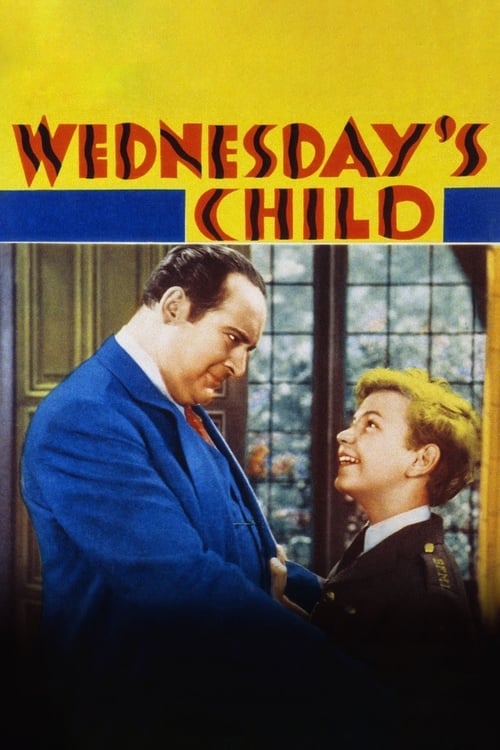
Wednesday's Child
1934
No user ratings available yet
Representation score: 1.1 out of 10
Representation Score
Limited
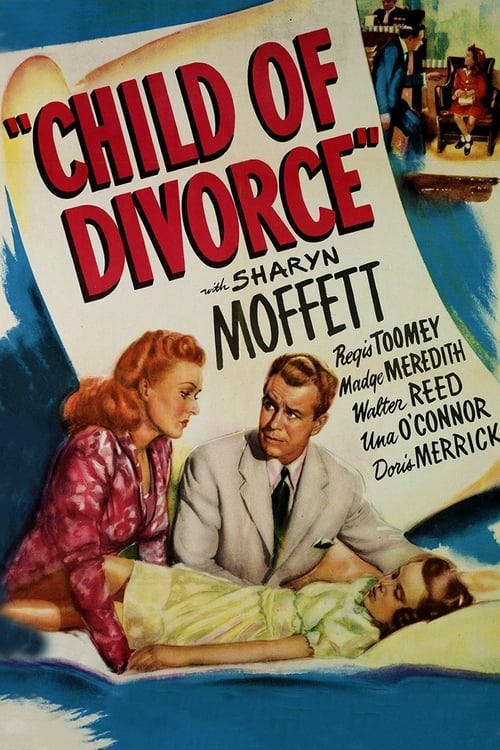
1946
PassedDirector
Richard Fleischer
Runtime
62 minutes
Average Rating
No ratings yetNew Showbiz Analysis
Child of Divorce is a psychological drama that dismantles the ideal of the perfect family. It replaces traditional moral stories with a more complex, morally ambiguous view of parental responsibility and domestic fragility. While the film provides a nuanced look at the instability of the family unit, its progressive values are limited by its time period. It focuses on individual domestic problems rather than broader systemic or multi-layered issues. The production aligns with the demographic and social norms of 1946, offering little in terms of LGBTQ+ or racial representation.
Category Breakdown
The film follows a 1940s framework that assumes everyone is straight or cisgender. There are no characters who identify as LGBTQ+, nor any critique of traditional gender roles.
The story challenges the idea of a stable patriarch by showing an emotionally volatile father. However, the focus is on mutual parental dysfunction rather than empowering both parents.
The cast and setting reflect the homogeneous demographics of mid-century American life. There is no indication of racial mixing or non-white actors.
The film questions the sanctity of the nuclear family by showing divorce as a source of trauma. It avoids a singular moral stance by presenting flawed, self-interested parents.
The child's mental struggles serve mainly as a plot device to highlight parental conflict. The film does not independently explore neurodivergence or mental health issues.
Present on Screen
Limited or Absent
Official Synopsis
An eight-year-old girl is an unwilling and disturbed witness of parental quarrels in her home, and when the parents finally secure a divorce, the judge decrees that the young girl live with her mother for eight months and her father the other four months. The divided life affects her both mentally and physically.
1934
2016

1950

1980
1934

1945
1957
2013
No reviews yet. Be the first to share your thoughts on this movie!
Use the rating form above to leave a star rating and optional review.