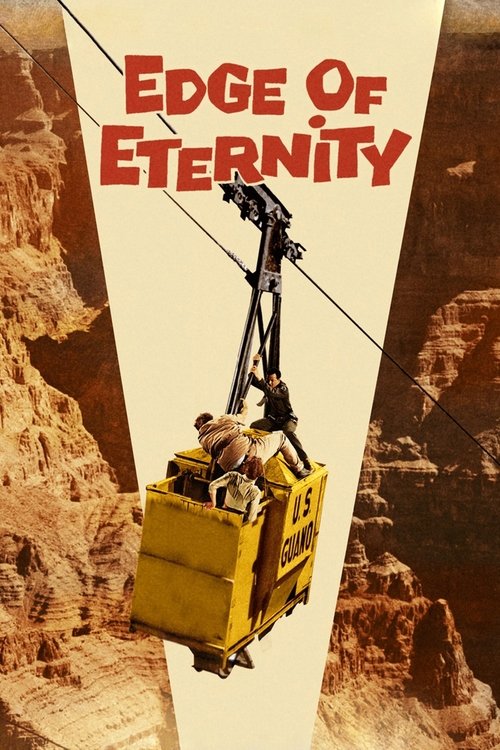
Edge of Eternity
1959
No user ratings available yet
Representation score: 0.8 out of 10
Representation Score
Limited
1950
ApprovedDirector
Norman Foster
Runtime
77 minutes
Average Rating
No ratings yetNew Showbiz Analysis
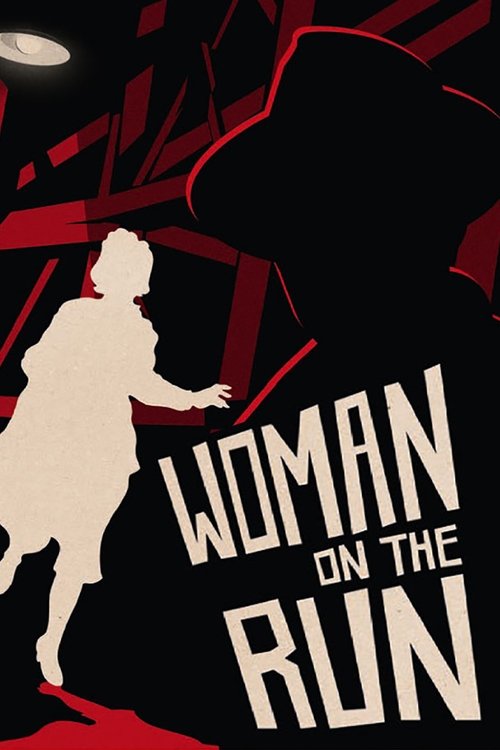
Woman on the Run stands out for its progressive casting and strong female lead despite the era's limitations. By centering the narrative on Eleanor's proactive search, the film avoids the typical 'damsel in distress' cliché common to 1950s thrillers. The presence of Dolores del Río provides significant ethnic visibility and challenges Anglo-centric casting norms. Her role as a central protagonist offers a level of representation that was exceptional for the period, going beyond standard Hollywood archetypes. However, the film remains bound by the social and institutional frameworks of its time. It lacks LGBTQ+ representation and does not engage in systemic critiques, focusing strictly on the mystery genre.
Category Breakdown
The film does not include any LGBTQ+ characters or non-straight relationships. The plot centers around traditional marriage and the pursuit of a male witness.
Eleanor drives the plot through her proactive search for her husband, challenging mid-century gender roles. This shifts the focus from male investigators to the female perspective in navigating danger.
Casting Dolores del Río in a central, non-stereotypical lead role challenges the era's Anglo-centric dominance. Her character has depth and avoids being just a token.
The story follows the social and institutional norms of 1950. It operates as a genre-driven mystery without critiquing Western institutions or systemic power structures.
No visible or invisible disabilities are central to the character arcs or the narrative progression.
Present on Screen
Limited or Absent
Official Synopsis
Frank Johnson, a sole witness to a gangland murder, goes into hiding and is trailed by Police Inspector Ferris, on the theory that Frank is trying to escape from possible retaliation. Frank's wife, Eleanor, suspects he is actually running away from their unsuccessful marriage. Aided by a newspaperman, Danny Leggett, Eleanor sets out to locate her husband. The killer is also looking for him, and keeps close tabs on Eleanor.
1959
1944

1950
1948
1953
1955

2005
1952
No reviews yet. Be the first to share your thoughts on this movie!
Use the rating form above to leave a star rating and optional review.