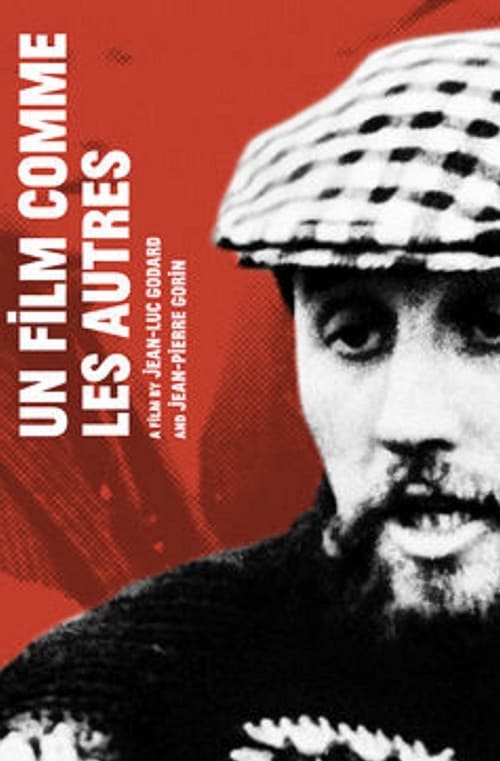
A Film Like Any Other
1968
No user ratings available yet
Representation score: 6.4 out of 10
Representation Score
Fair
1969
Director
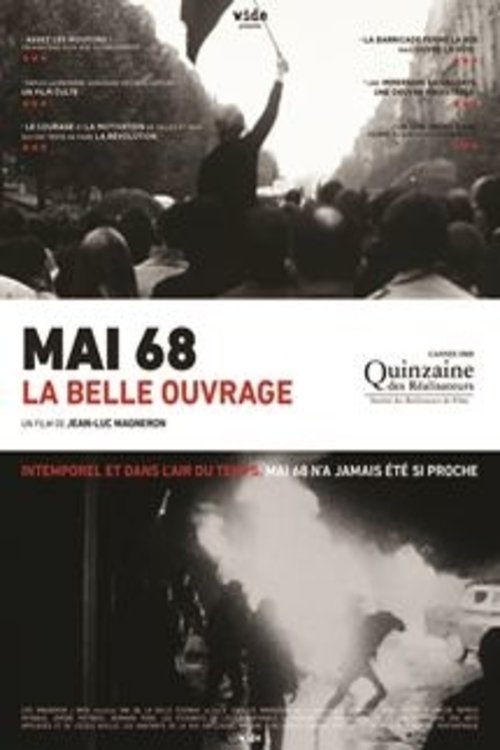
Jean-Luc Magneron
Runtime
52 minutes
Average Rating
No ratings yetNew Showbiz Analysis
Mai 68, la belle ouvrage serves as a socio-political examination of the May 1968 movement. Using exclusive archives and testimonies from opposing camps, the documentary disrupts monolithic historical narratives. It creates a tension between institutional authority and citizens. The film's strength lies in its multi-vocal approach, validating the roles of those challenging the status quo. It goes beyond simple documentation to deconstruct state power. However, the documentary's focus on macro-level class struggle and institutional friction leaves specific identities, such as LGBTQ+ or ethnic backgrounds, largely unexamined.
Category Breakdown
The film focuses on broad social revolution and class struggle. However, it does not provide specific details about non-straight or non-cisgender identities.
The documentary captures a time of intense upheaval where traditional hierarchies were challenged. Testimonies highlight the role of women in labor and student movements during this period.
The film examines a French social revolution involving the working class and students. Although the era had post-colonial tensions, there is no explicit mention of specific ethnic backgrounds.
The narrative prioritizes the perspective of those outside traditional systems by criticizing police brutality and focusing on barricade activists. It portrays Western institutions as subjects of intense scrutiny.
There is insufficient evidence to evaluate the representation of physical or neurological differences.
Present on Screen
Limited or Absent
Official Synopsis
Filmed at the heart of the events, composed of interviews and exclusive archives, this film sheds light on this social revolution. It denounces police brutality at the forefront of the action. Beginning with General de Gaulle's famous speech, composed of interviews and powerful testimonies from opposing camps (world figures, barricade activists, artists, and students), the film transports us to the heart of the action.
1968
1965
1978
1961

1968
1968
1963
2016
No reviews yet. Be the first to share your thoughts on this movie!
Use the rating form above to leave a star rating and optional review.