A Film Like Any Other
1968
No user ratings available yet
Representation score: 6.4 out of 10
Representation Score
Excellent
1968
Director
Jean-Luc Godard, Alain Resnais, Chris Marker, Jackie Raynal, Jacques Loiseleux, Jean-Pierre Gorin, Philippe Garrel, Gérard Fromanger, Jean-Denis Bonan
Runtime
90 minutes
Average Rating
No ratings yetNew Showbiz Analysis
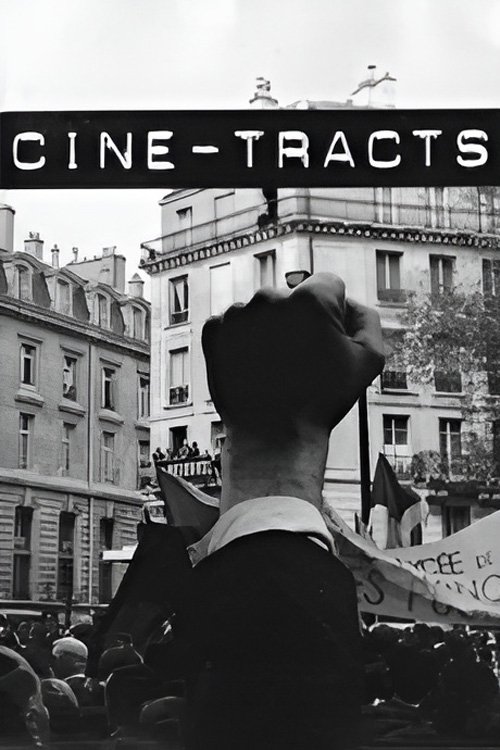
Cinétracts functions as a fragmented, multi-vocal montage of the sociopolitical upheaval in May 1968 France. Its strength lies in its radical structure, which uses a collective of influential filmmakers to dismantle traditional narrative hierarchies and challenge systemic power. While the documentary format focuses heavily on mass movements and class struggle, it lacks specific, character-driven evidence regarding individual identities. The film prioritizes the collective 'body politic' over individual representation of disability or specific LGBTQ+ identities. Ultimately, the work is a powerful tool of ideological subversion, deconstructing state-sanctioned morality and institutional corruption, even if its focus on labor movements limits the visibility of certain underrepresented groups.
Category Breakdown
The film does not explicitly document specific LGBTQ+ identities, but its focus on breaking social taboos during a period of radical liberation suggests a framework that accommodates non-traditional expressions.
By centering the collective experience of the working class and focusing on strikes and street activism, the film shifts the focus away from patriarchal leadership toward communal movements.
The film reflects the demographic realities of French labor movements in 1968, where the focus on class struggle intersects with the experiences of underrepresented migrant labor populations.
The work provides a direct critique of established Western institutions, portraying state authority and organized capitalism as systemic forces of oppression through an anti-capitalist lens.
There is little evidence that disability is a central thematic element. The film prioritizes the 'body politic' of the striking worker, which may overlook individual physical or neurodivergent experiences.
Present on Screen
Limited or Absent
Official Synopsis
A series of 43 documentary shorts, directed (without credit) by several famous French filmmakers and each running between two and four minutes. Each "tract" espouses a leftist political viewpoint through the filmed depiction of real-life events, including workers' strikes and the events of Paris in May '68.
1968
1965

1970
1970

1971
1978

1968

1969
No reviews yet. Be the first to share your thoughts on this movie!
Use the rating form above to leave a star rating and optional review.