Iris
2001
No user ratings available yet
Representation score: 6.0 out of 10
Representation Score
Good
2003
RDirector
Christine Jeffs
Runtime
109 minutes
Average Rating
No ratings yetNew Showbiz Analysis
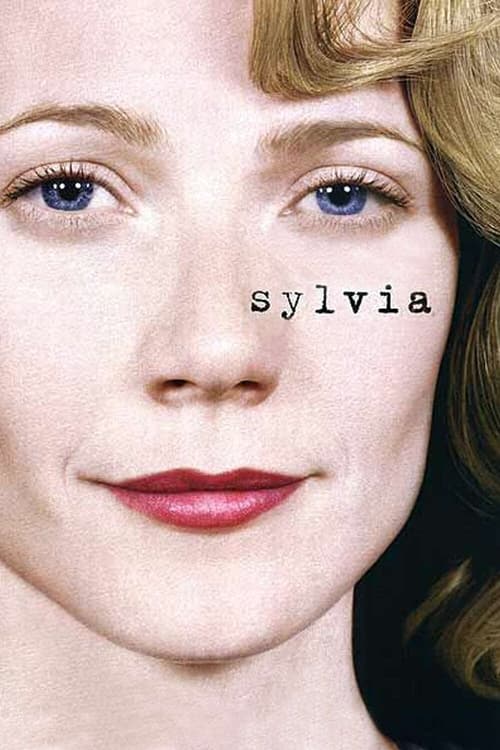
Sylvia is a character-driven film that effectively challenges traditional views of mid-century womanhood. By highlighting Plath's struggle for creative freedom against the roles of wife and mother, the film disrupts conventional depictions of women's lives during that era. The film excels in its nuanced exploration of mental health and its critical view of traditional social institutions. However, it lacks racial and LGBTQ+ diversity, focusing primarily on the homogeneous social and academic circles of the mid-20th century. Despite its strengths, the film's narrow focus limits its broader representation of diverse experiences.
Category Breakdown
The film focuses solely on the heterosexual relationship between Sylvia Plath and Ted Hughes. It does not include any LGBTQ+ characters or perspectives.
The movie offers a sophisticated look at the gender roles and expectations of mid-century life. It highlights the tension between women's intellectual freedom and the constraints of domestic life.
The cast mainly consists of actors representing the same socioeconomic and academic background of mid-20th century America. There is no significant multicultural presence.
The film questions traditional Western institutions such as the nuclear family and psychiatry. It shows how domestic life can be confining and psychologically limiting.
The film explores mental health issues deeply, avoiding simplistic plot devices. It critically examines how psychiatric institutions handled neurodivergence during that time.
Present on Screen
Limited or Absent
Official Synopsis
Story of the relationship between the poets Ted Hughes and Sylvia Plath.
2001
1995
2012

1985
2002
2015

2009
2002
No reviews yet. Be the first to share your thoughts on this movie!
Use the rating form above to leave a star rating and optional review.