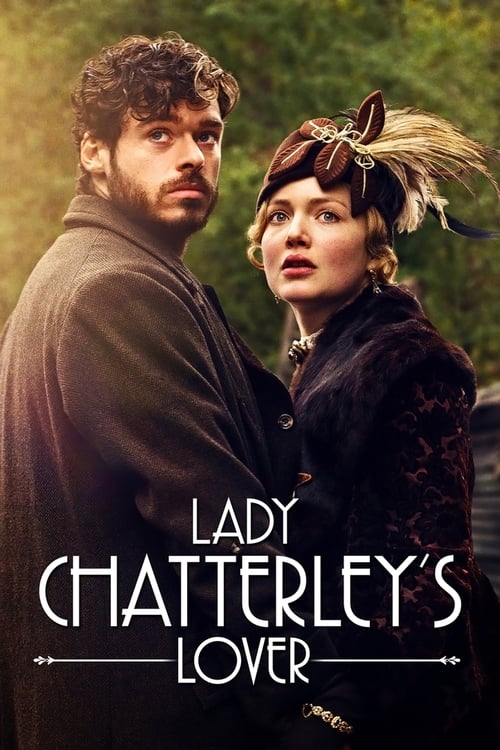
Lady Chatterley's Lover
2015
No user ratings available yet
Representation score: 5.7 out of 10
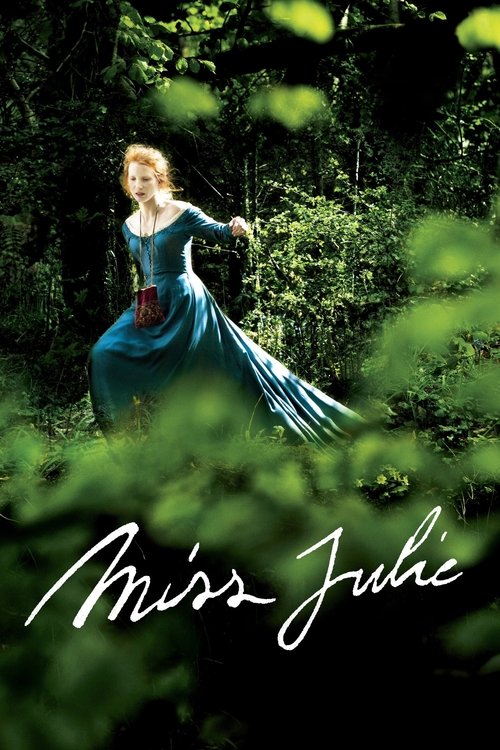
Representation Score
Fair
2014
PG-13Director
Liv Ullmann
Runtime
130 minutes
Average Rating
No ratings yetNew Showbiz Analysis
Liv Ullmann’s adaptation stands out for its adept dismantling of social hierarchies, especially through its nuanced treatment of gender and class. By focusing on the volatile interplay of power and ability to act, the film transcends conventional clichés to examine how broader societal structures shape individual actions. However, the film’s historical setting limits its demographic range. The absence of LGBTQ+ representation and a homogeneous cast reflect the era’s constraints rather than a modern inclusive perspective. Ultimately, the work serves as an intellectual exploration of class conflict. It prioritizes the critique of 19th-century institutions over contemporary demographic diversity, positioning itself as a focused character study rather than a broad ensemble piece.
Category Breakdown
The film does not include any LGBTQ+ characters or stories. The plot revolves around a heterosexual conflict between the main characters.
Julie defies traditional female passivity by actively challenging social norms. The film portrays a dynamic power balance that shifts between genders based on changing social status.
The cast is predominantly uniform, reflecting the 1890s Irish context. Despite a lack of racial diversity, the film avoids harmful stereotypes by focusing on class-based tensions.
The story critiques the oppressive nature of aristocratic families and strict social hierarchies. It views the disruption of social norms as a reaction to systemic pressures.
The film does not focus on physical or neurological disabilities. Instead, it centers on psychological instability as a key factor driving character development.
Present on Screen
Limited or Absent
Official Synopsis
Over the course of a midsummer night in 1890s Ireland, the unsettled daughter of the Anglo-Irish aristocracy encourages her father's valet to seduce her.
2015
1979
2022

1996

1988
1997

2012
1958
No reviews yet. Be the first to share your thoughts on this movie!
Use the rating form above to leave a star rating and optional review.