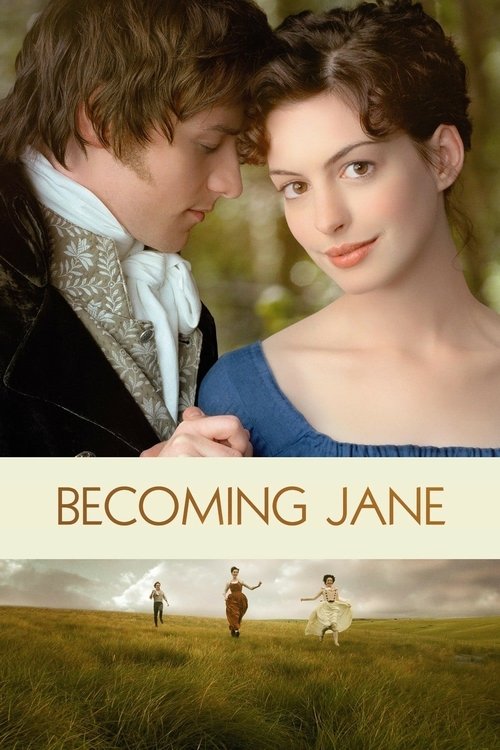
Becoming Jane
2007
No user ratings available yet
Representation score: 2.6 out of 10
Representation Score
Limited
2009
PGDirector
Jane Campion
Runtime
119 minutes
Average Rating
No ratings yetNew Showbiz Analysis
Jane Campion delivers a sophisticated character study that challenges traditional period-drama clichés. By centering Fanny Brawne’s intellectual and emotional autonomy, the film elevates the female experience beyond the typical 'muse' archetype. However, the film is heavily influenced by its historical setting. The lack of racial and LGBTQ+ diversity reflects the specific social circles of 19th-century England, limiting the scope of representation. Ultimately, the film succeeds as a nuanced exploration of individual empowerment against rigid societal expectations, even if its demographic range remains narrow.
Category Breakdown
The film adheres to traditional romantic structures without featuring LGBTQ+ identities or non-assuming gender matches what was assigned at birth characters.
Fanny Brawne is portrayed with significant intellectual influence rather than as a passive figure. The narrative emphasizes her sensory and psychological insights over the male protagonist.
The cast is predominantly white and Anglo-Saxon, reflecting the demographics of 1818 England. There is no indication of diverse ethnic backgrounds in this historical context.
The story highlights the oppressive nature of class rigidity and social institutions. It subtly critiques economic barriers through Keats's struggles as an artist.
Keats’s battle with tuberculosis serves as a tragic narrative catalyst. The portrayal focuses on the biological inevitability of his condition within a romantic tragedy.
Present on Screen
Limited or Absent
Official Synopsis
In 1818, high-spirited young Fanny Brawne finds herself increasingly intrigued by the handsome but aloof poet John Keats, who lives next door to her family friends the Dilkes. After reading a book of his poetry, she finds herself even more drawn to the taciturn Keats. Although he agrees to teach her about poetry, Keats cannot act on his reciprocated feelings for Fanny, since as a struggling poet he has no money to support a wife.
2007
1995
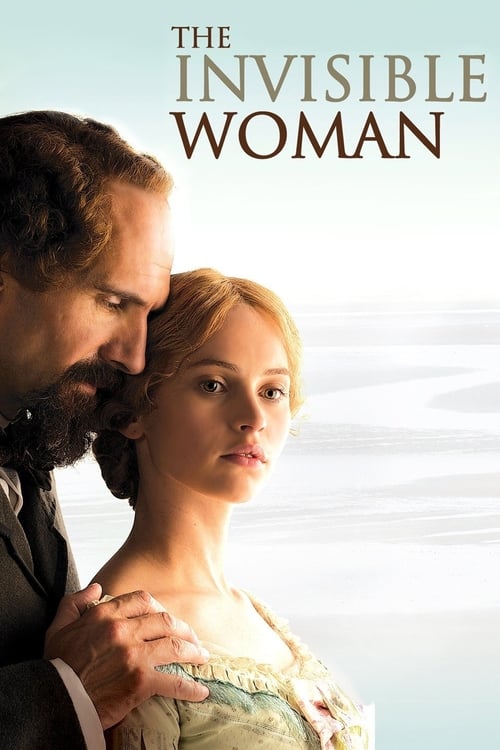
2013

1996
2003
1995
1993

1992
No reviews yet. Be the first to share your thoughts on this movie!
Use the rating form above to leave a star rating and optional review.