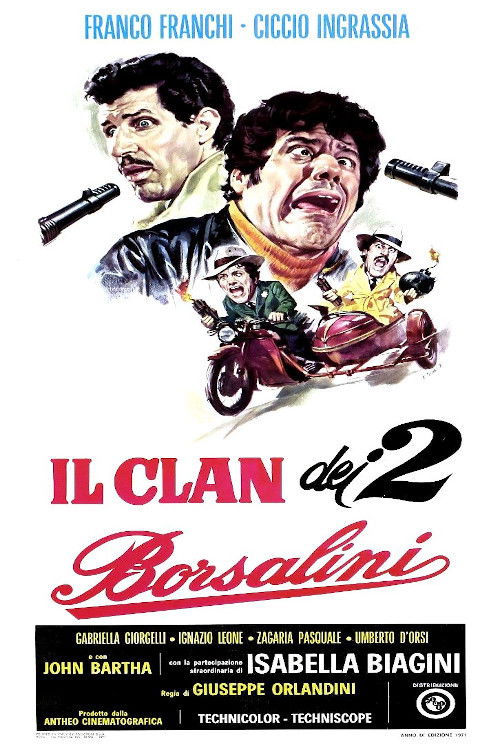
The Clan of the Two Borsalini
1971
No user ratings available yet
Representation score: 3.2 out of 10
Representation Score
Limited
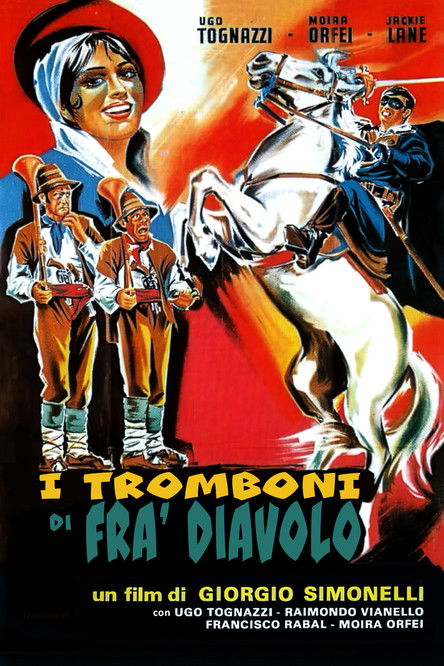
1962
Director
Miguel Lluch, Giorgio Simonelli
Average Rating
No ratings yetNew Showbiz Analysis
I tromboni di Fra' Diavolo is a product of its time, functioning as a commercial comedy designed for broad Mediterranean appeal. It relies on the established social and cultural hierarchies of the early 1960s rather than attempting to challenge them. The film lacks meaningful representation for underrepresented groups, including LGBTQ+ individuals and diverse racial identities. Its narrative structure is built upon the standard social norms of the period, prioritizing genre-driven entertainment over social critique. Ultimately, the work serves as a traditionalist cinematic artifact. It reinforces existing power structures and conventional morality instead of offering multi-layered perspectives or inclusive character development.
Category Breakdown
The film follows the conventional comedic structures of 1960s Italy and does not include any non-straight or non-cisgender identities or narratives that question the assumption that everyone is straight or cisgender.
The production adheres to traditional gender roles. Female characters do not show intelligence or influence that challenges patriarchal structures or the status quo.
The cast reflects a homogeneous Mediterranean population typical of its era. It does not blend different backgrounds or depart from standard 1962 practices.
The narrative aligns with the traditional Western and religious values of early 1960s Italy. It upholds conventional morality and social institutions rather than questioning them.
There is no information about the inclusion or portrayal of characters with physical or neurodivergent disabilities.
Present on Screen
Limited or Absent
1971

1980
1967
1968
1964

1967
1976
1975
No reviews yet. Be the first to share your thoughts on this movie!
Use the rating form above to leave a star rating and optional review.