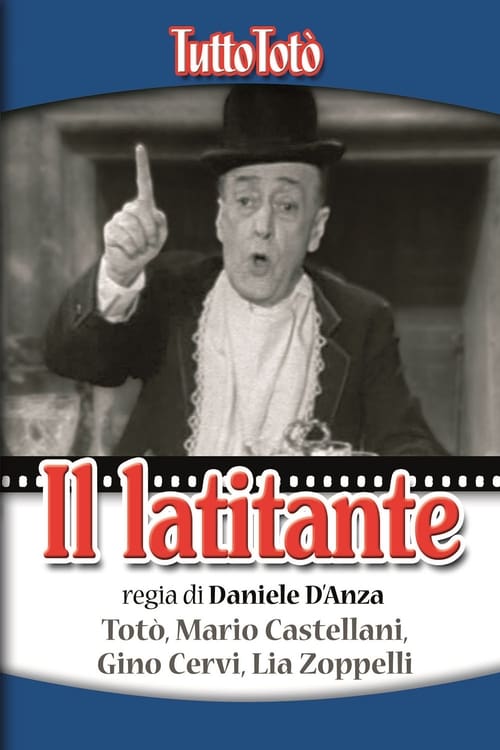
Il latitante
1967
No user ratings available yet
Representation score: 2.9 out of 10
Representation Score
Limited
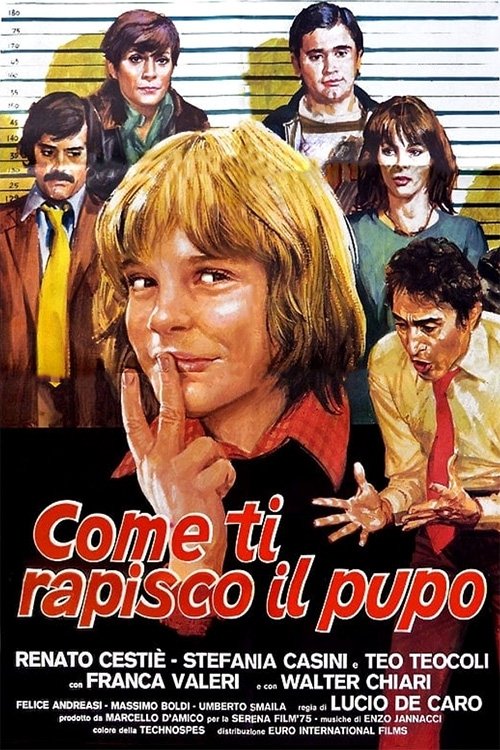
1976
Director
Lucio De Caro
Runtime
95 minutes
Average Rating
No ratings yetNew Showbiz Analysis
This 1976 comedy follows the commercial norms of mid-century Italian genre cinema. It focuses on slapstick humor and traditional social hierarchies rather than questioning systemic norms or diverse representation. The cast and production context indicate a preference for local, traditional archetypes. Despite featuring notable female actors, the film adheres to the comedic structures of its time without challenging them. Overall, the film reflects the era's standard practices, emphasizing a homogeneous ethnic composition and traditional social structures common to 1970s European comedy.
Category Breakdown
The film doesn't include explicit LGBTQ+ identities or stories that challenge the idea that everyone is straight. It reflects a time when there was no intentional effort to show LGBTQ+ characters.
The film includes well-known actresses like Stefania Casini and Franca Valeri. However, it likely follows traditional gender roles and stereotypes typical of 1970s Italian comedy.
The film has a mostly uniform ethnic makeup. This reflects the standard practices of the mid-1970s Italian film industry, which didn't have much racial or ethnic diversity.
The film follows traditional Italian comedic styles. It upholds local social norms and community structures without challenging institutions or capitalism.
There is no information available regarding the portrayal of physical or neurodivergent characters in this work.
Present on Screen
Limited or Absent
1967

1980
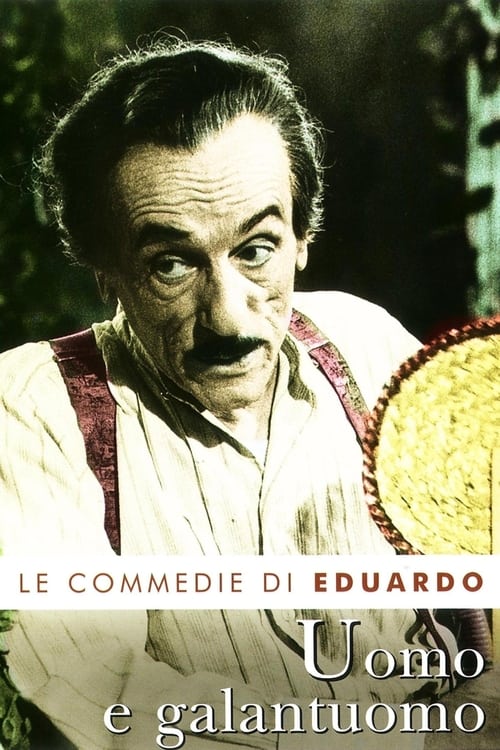
1975
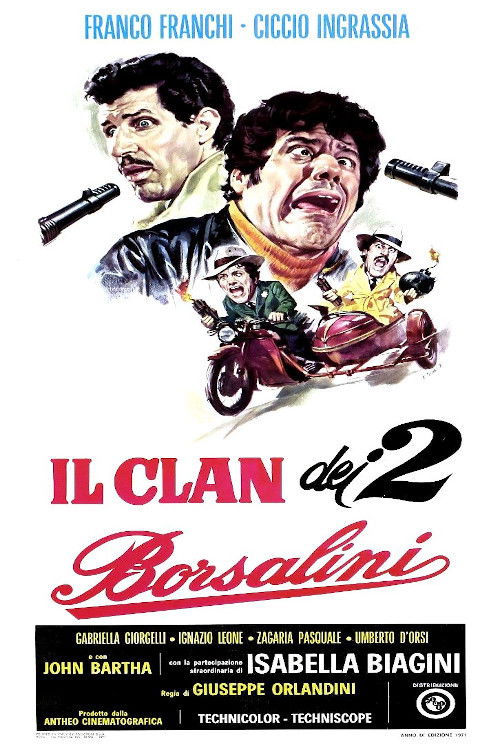
1971
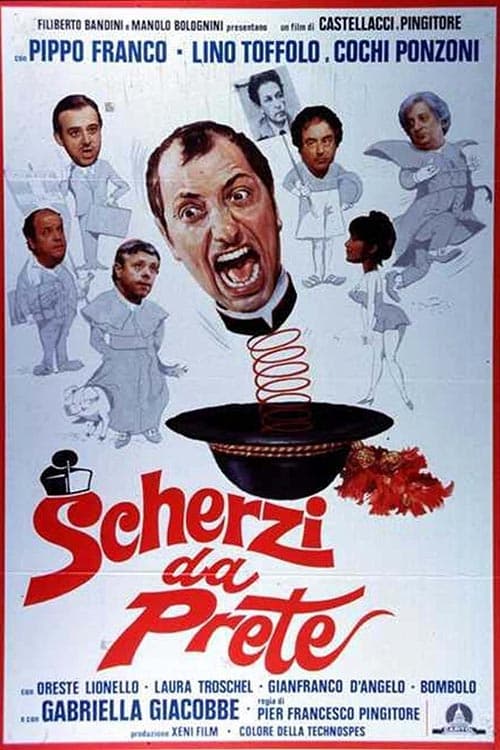
1978
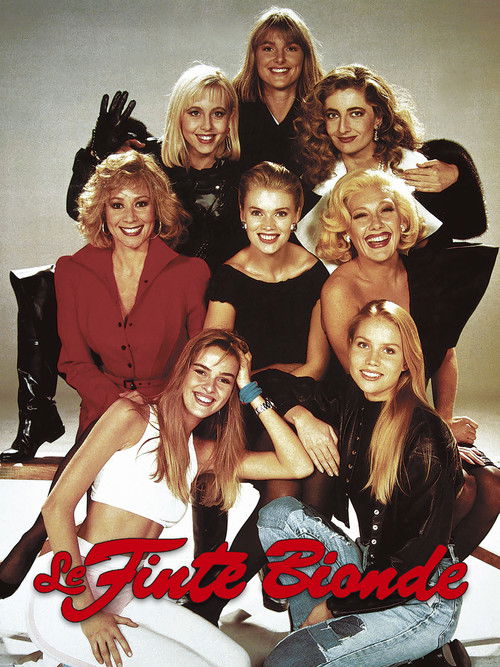
1989
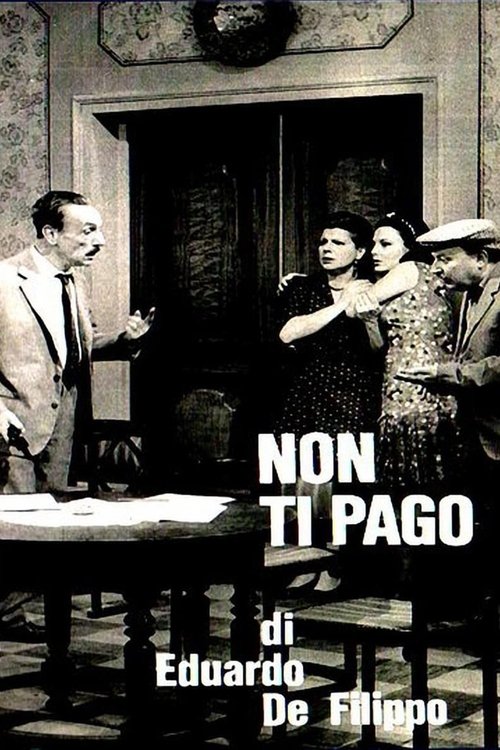
1964
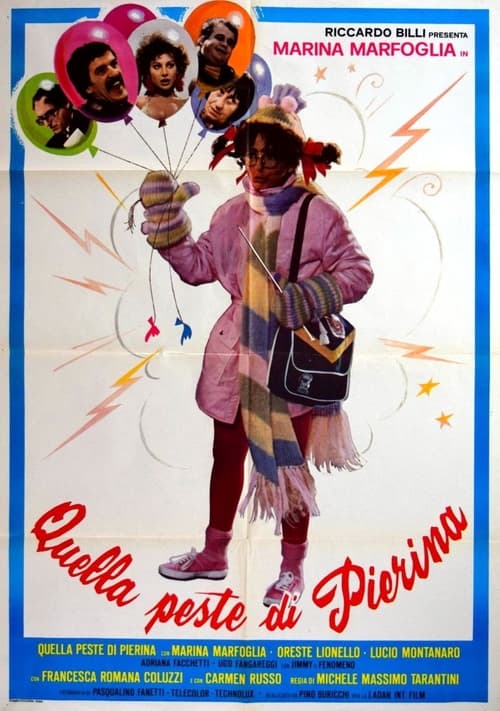
1982
No reviews yet. Be the first to share your thoughts on this movie!
Use the rating form above to leave a star rating and optional review.