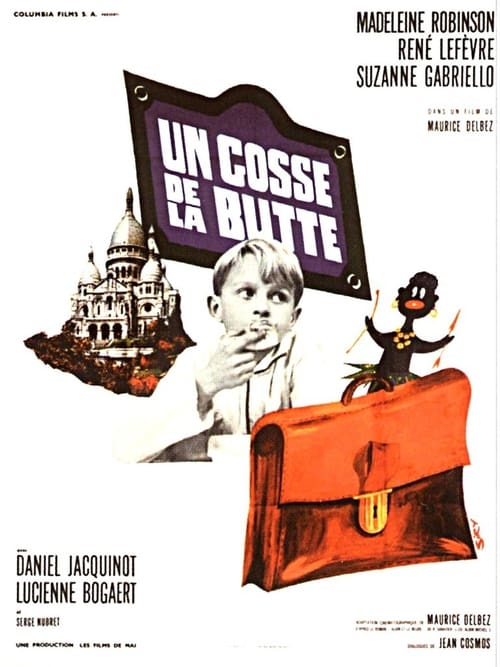
Un gosse de la butte
1964
No user ratings available yet
Representation score: 1.1 out of 10
Representation Score
Good
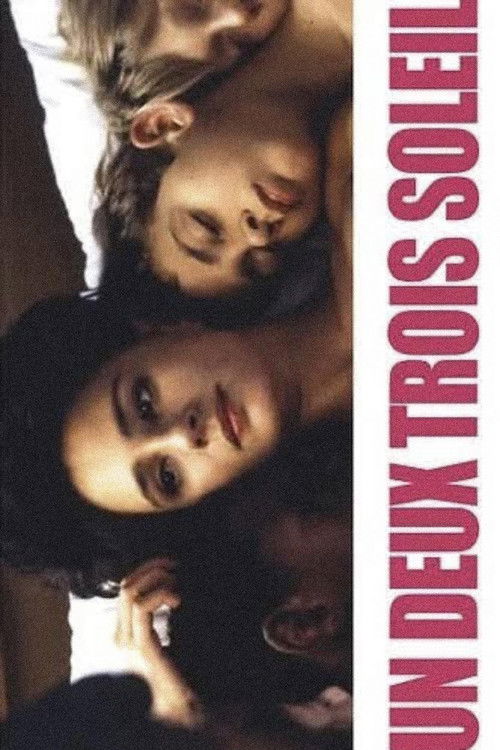
1993
Director
Bertrand Blier
Runtime
104 minutes
Average Rating
No ratings yetNew Showbiz Analysis
Bertrand Blier’s film challenges traditional family structures by using absurdity to question established institutions and social norms. While it effectively subverts gender roles and mocks masculine competence, it falls short in representing racial and LGBTQ+ diversity. The film's strength lies in its cultural critique, even though it uses psychological instability as a stylistic device rather than a means of meaningful representation of mental health issues.
Category Breakdown
The film doesn't focus much on queer identities or non-cisgender stories. Instead, it looks at the absurdity of heterosexual relationships.
Female characters deal with sexually charged situations with a chaotic energy rather than passive roles. Masculinity is often shown as incompetent, obsessive, or comedic to challenge traditional ideas.
The film features a mostly uniform urban French cast. There is no significant racial diversity within the economically disadvantaged setting.
The story breaks down traditional Western institutions by showing the nuclear family and authority figures as unstable. It highlights individual quirks over strict capitalist or religious norms.
Psychological instability and madness are used as stylistic tools for the film's surreal tone. These elements serve more as narrative devices than as detailed representations of mental health issues.
Present on Screen
Limited or Absent
Official Synopsis
A provocative, seemingly absurd patchwork movie which sends a worthwhile message about hope against all odds, love, children and human understanding. Schoolgirl Victorine has an insane mother and an alcoholic father who can never find his way home in their maze of slum apartment blocks. Aggressive, sexually threatening boys of all ages are everywhere, and while the teacher eventually relents to a gang of adolescent rapists, Victorine gives herself to a rowdy gang of older layabouts, eventually winning the heart of burglar Paul.
1964
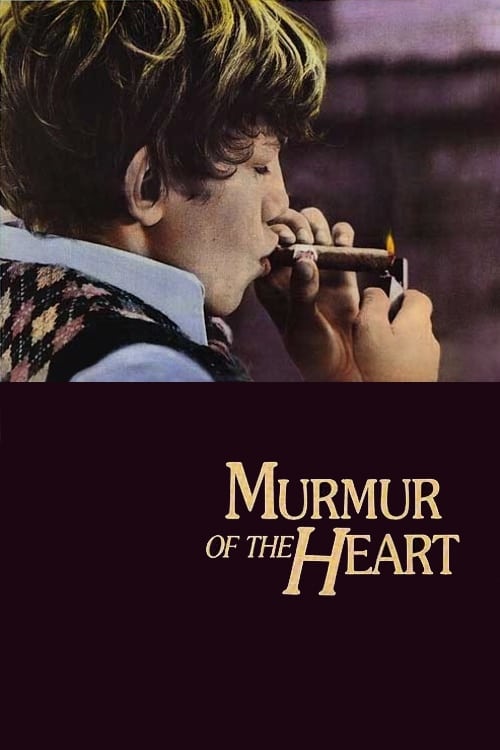
1971

1975

1974

1974

1990

1983
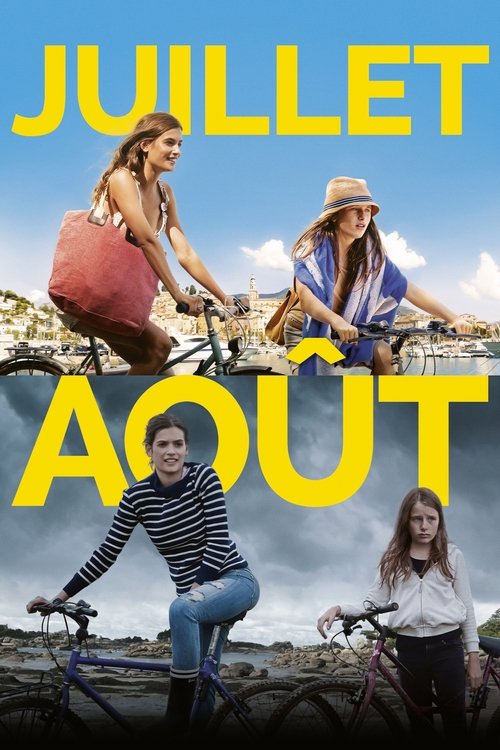
2016
No reviews yet. Be the first to share your thoughts on this movie!
Use the rating form above to leave a star rating and optional review.