
Women
1995
No user ratings available yet
Diversity score: 5.5 out of 10
1978
Director
Yves Boisset
Runtime
98 minutes
Average Rating
No ratings yetSynopsis
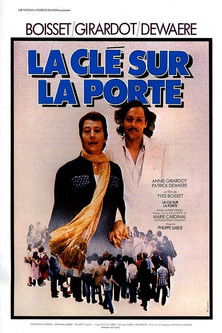
Marie (Annie Girardot) teaches high school and has a 16-year-old daughter in her class. Divorced some years previously, she has some vague egalitarian notions about friendship with her students and leaves her door open to them. One of her protégés is found beaten up just outside her door, and an emergency physician comes by to treat her. When her daughter starts seeing someone she doesn't much like, and she begins having a brief affair (her first since the divorce) with the ER doctor, she begins to reconsider her policy.
Overall Score
Fair
Category Breakdown
LGBTQ+ Representation
The story focuses on heteronormative relationships, specifically the protagonist's divorce and her affair with a doctor. No non-cisnormative identities are present in the narrative.
Gender Representation
Marie is a central figure of intellectual authority who navigates professional boundaries and personal autonomy. The film avoids submissive tropes but focuses more on personal complexities than systemic gender subversion.
Racial & Ethnic Diversity
The casting reflects the demographic homogeneity of 1970s France. There is no evidence of intentional racial blending or diverse casting to challenge social norms.
Religious & Cultural Diversity
The film offers a sophisticated critique of established institutions and state power. It prioritizes a skeptical, morally relativistic worldview over traditional patriotic or state-centric ideals.
Disability Representation
There are no prominent depictions of physical or neurodivergent disabilities that drive the central narrative.
Strengths
Areas for Improvement
AI Analysis
The film succeeds in presenting a strong, autonomous female lead who occupies a position of professional authority. This subverts traditional domestic hierarchies by centering on a woman's agency and personal life following a divorce. However, the film lacks diversity in terms of sexual orientation and racial representation, adhering to the demographic norms of its era. The cast remains largely homogeneous, and the narrative focuses on heteronormative dynamics. Ultimately, the film's strength lies in its cultural critique. By deconstructing institutional authority and exploring systemic corruption, it provides a meaningful challenge to traditional narratives of state stability.
1995

2018

1961

2011

2022

2022

2023

1978

1993

2020
1978

2015
No reviews yet. Be the first to share your thoughts on this movie!
Use the rating form above to leave a star rating and optional review.