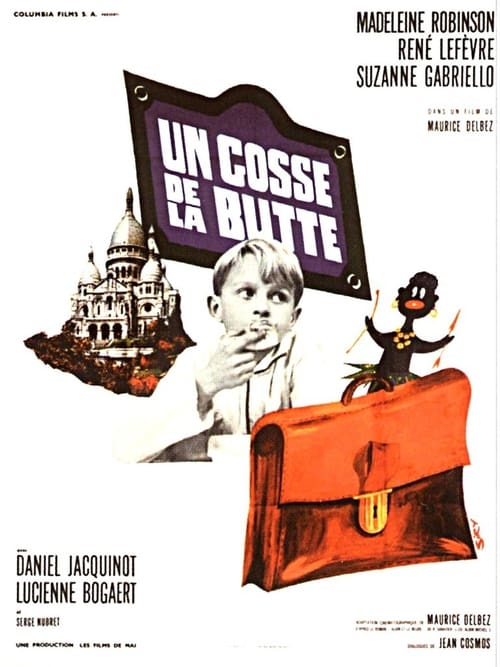
Un gosse de la butte
1964
No user ratings available yet
Representation score: 1.1 out of 10

Representation Score
Good
1985
Director
Claude Miller
Runtime
96 minutes
Average Rating
No ratings yetNew Showbiz Analysis
Claude Miller’s character study succeeds in challenging traditional gender norms by focusing on an assertive, antisocial female protagonist. Charlotte’s refusal to conform to domestic expectations provides a strong psychological foundation for the drama. However, the film is limited by its homogeneous setting and lack of explicit identity markers. The focus remains heavily on class-based distinctions and social friction within a narrow demographic lens. While the film offers a sharp critique of family structures and social stagnation, it misses opportunities for broader representation in terms of race and explicit queer identity.
Category Breakdown
The film explores a deep bond between Charlotte and Clara Bauman, which challenges Charlotte's isolation. However, the relationship lacks explicit queer identifiers or clear romantic orientation.
Charlotte defies traditional submissive roles, taking an assertive stance. The film deconstructs the 'nurturing female' stereotype by showing her domestic life through a lens of boredom and frustration.
The story centers on a homogeneous working-class French community. There is no significant racial blending or a diverse cast within the narrative.
The film critiques the traditional Western nuclear family, depicting it as dysfunctional and superficial. It highlights the socio-economic stagnation of a drab, run-down working-class environment.
The character Lulu is introduced as a sick ten-year-old, but her illness mainly serves as a backdrop for Charlotte's development rather than a central exploration of living with illness.
Present on Screen
Limited or Absent
Official Synopsis
Charlotte Castang is a working-class 13-year-old girl, who lives in a drab, run-down neighbourhood, and is ready to become an adult. Her mother died giving birth to her, and she lives with her crass brother and a father whose attention is elsewhere. Her only friend is Lulu, a sick 10-year-old she regards as a pest. Charlotte is antisocial, bored and dreams of a better life. Her life improves when she meets Clara Bauman, a pianist prodigy.
1964

1971

2014
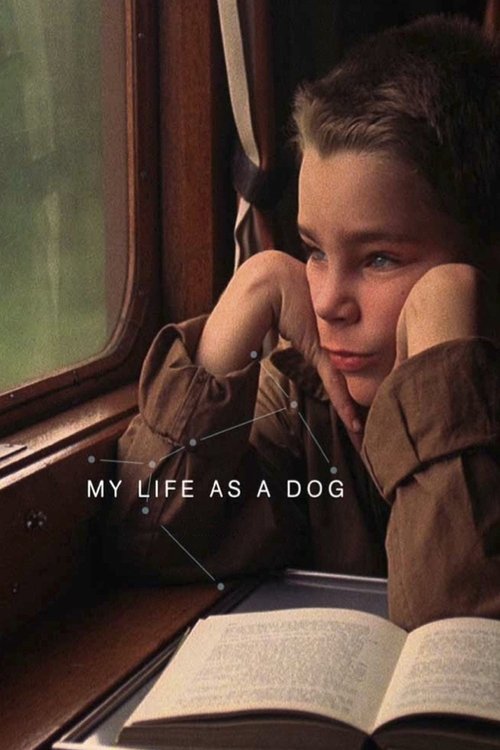
1985
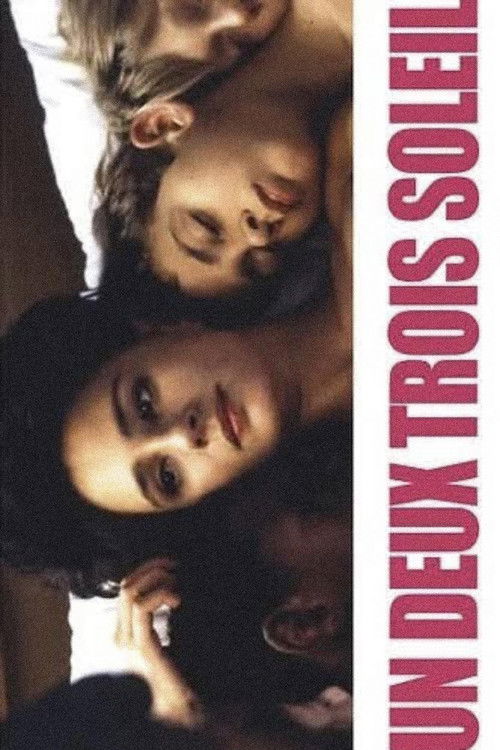
1993

2022

1994

1967
No reviews yet. Be the first to share your thoughts on this movie!
Use the rating form above to leave a star rating and optional review.