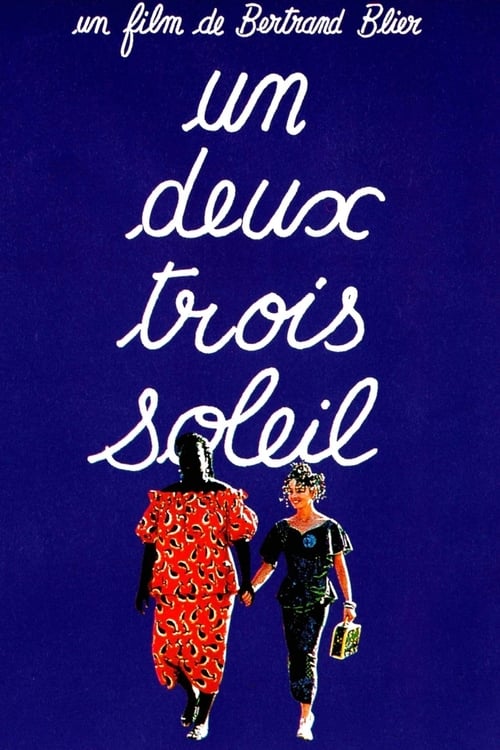
One, Two, Three, Freeze
1993
No user ratings available yet
Diversity score: 4.9 out of 10
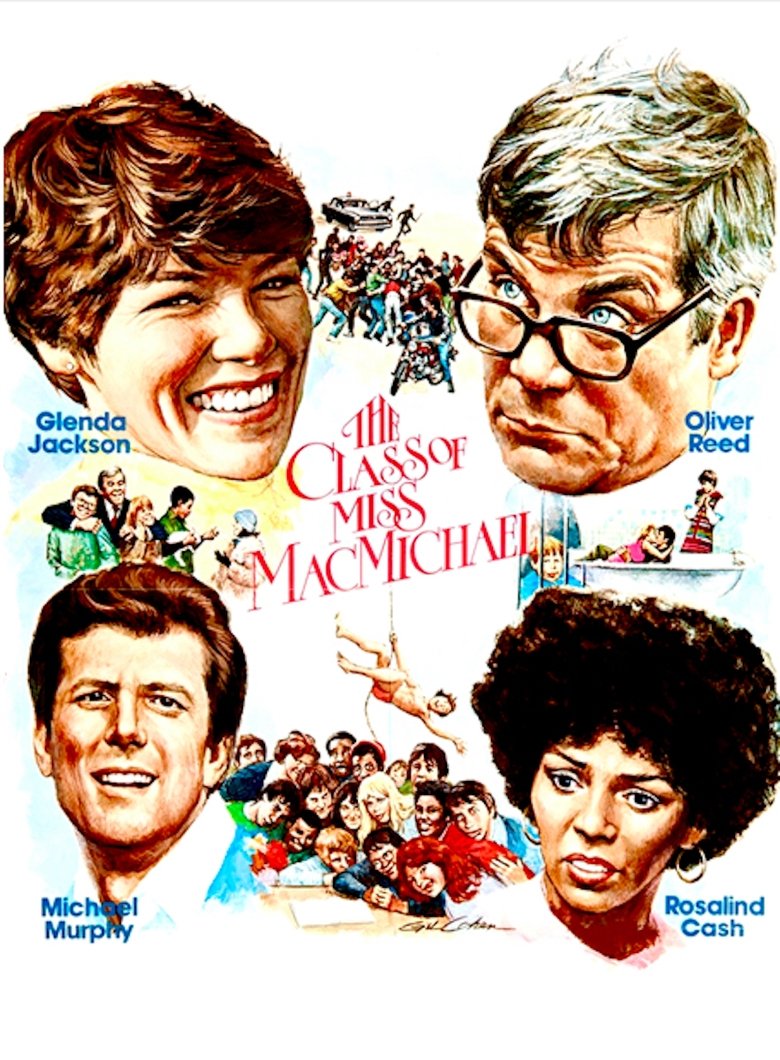
1978
RDirector
Silvio Narizzano
Runtime
94 minutes
Average Rating
No ratings yetSynopsis
A dedicated teacher tries to reach out to juvenile delinquent students at a London alternative school.
Overall Score
Fair
Category Breakdown
LGBTQ+ Representation
The film lacks discernible LGBTQ+ characters or explorations of non-heteronormative identities. It adheres to the heteronormative social structures prevalent in late-1970s British television drama.
Gender Representation
Miss MacMichael disrupts traditional hierarchies by serving as the central authority figure. The narrative prioritizes her agency and female-led emotional labor over patriarchal leadership models.
Racial & Ethnic Diversity
The production reflects the demographic homogeneity of late-1970s British drama. The cast is primarily white British, focusing on localized class dynamics rather than ethnic or post-colonial themes.
Religious & Cultural Diversity
The story critiques rigid institutionalism by centering on an alternative school. It frames student rebellion through social circumstance rather than simple criminality, challenging traditional authority.
Disability Representation
While the film addresses juvenile delinquency, there is no explicit evidence of characters with recognized physical or sensory disabilities. The focus remains on behavioral rebellion.
Strengths
Areas for Improvement
AI Analysis
The film serves as a transitional narrative that finds its strength in subverting gendered authority. By placing a woman in a position of pedagogical leadership, it moves away from traditional patriarchal structures. However, the work remains limited by the era's demographic norms. It lacks significant intersectional diversity, particularly regarding racial representation and LGBTQ+ identities, which keeps the overall score modest. Ultimately, the film's progressive value lies in its skepticism of rigid institutions. It favors an empathetic approach to social management over authoritarianism, even if it misses broader opportunities for inclusive casting.
1993
2011
2016

2012
1978
2017
1949
1935
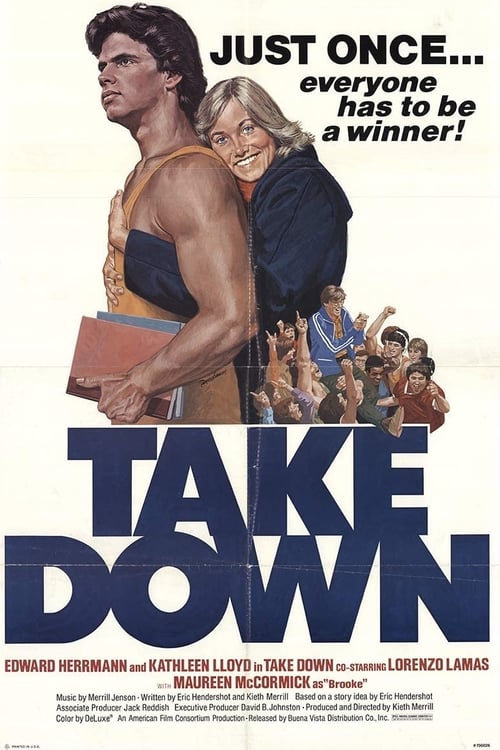
1979
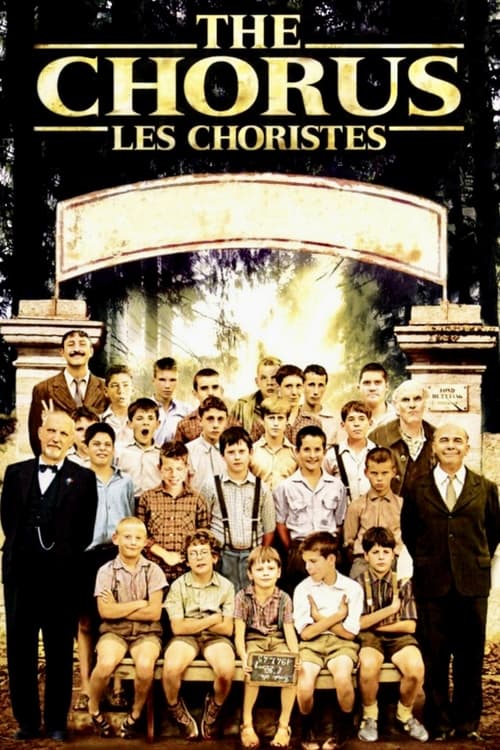
2004
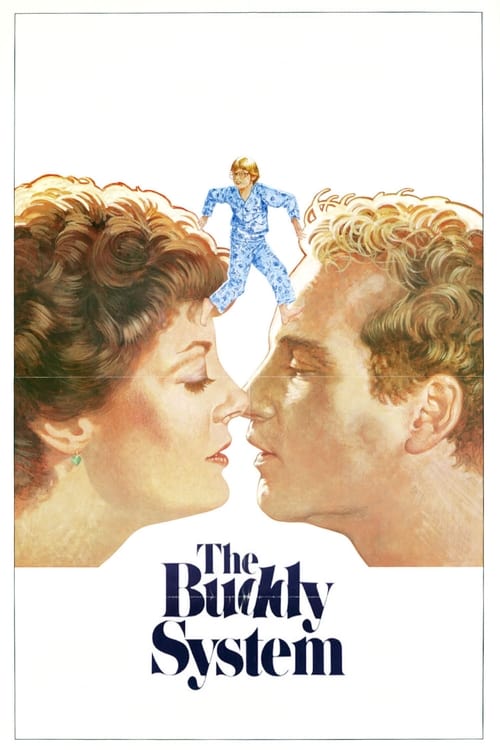
1984
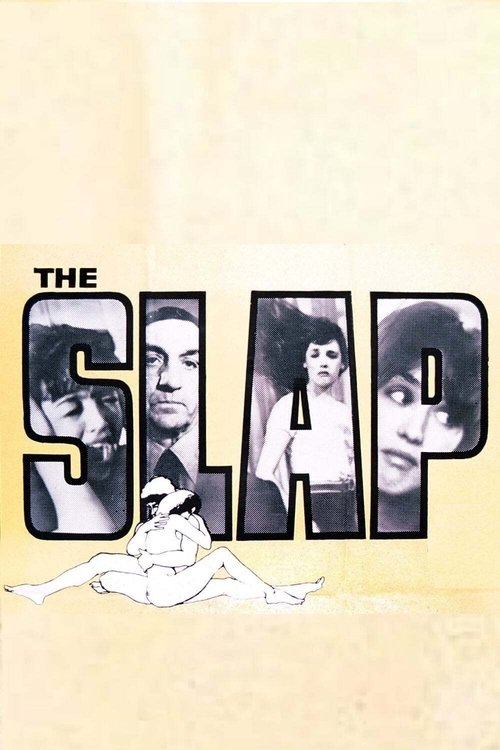
1974
No reviews yet. Be the first to share your thoughts on this movie!
Use the rating form above to leave a star rating and optional review.