
Under the Stars of Paris
2021
No user ratings available yet
Representation score: 8.1 out of 10
Representation Score
Excellent
1984
Director
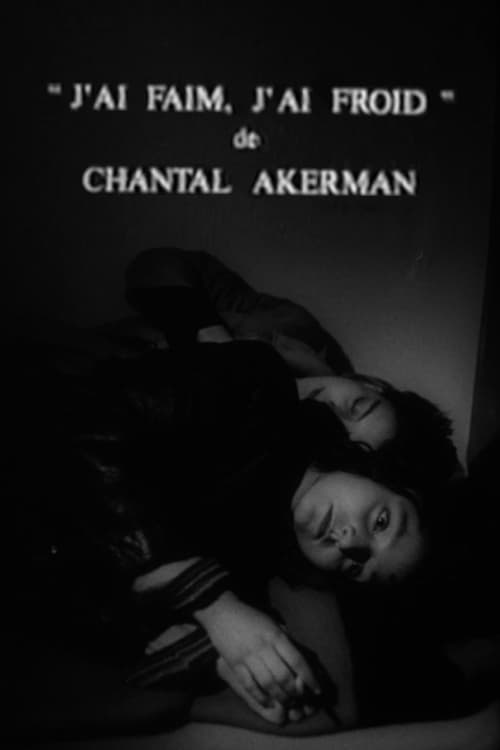
Chantal Akerman
Runtime
12 minutes
Average Rating
No ratings yetNew Showbiz Analysis
Chantal Akerman’s short film is a minimalist study of female subjectivity. By subverting traditional gender roles, she transforms repetitive domestic labor into a profound cinematic subject. While the film excels in gender representation, its narrow scope limits its impact in other areas. The lack of explicit LGBTQ+ or racial diversity prevents a higher multi-layered score. Ultimately, the film uses structuralist techniques to challenge traditional narrative pacing and social structures.
Category Breakdown
The film does not explicitly depict LGBTQ+ identities or romantic relationships. It focuses more on the sensory experiences of the characters rather than their identities.
Chantal Akerman disrupts traditional gender roles by focusing entirely on the female experience and labor. She elevates everyday domestic tasks to a cinematic focus, avoiding the passive objectification of women.
The film centers on a localized domestic experience with no indication of a diverse cast. However, its focus on universal sensory experiences avoids specific racial stereotypes.
The film deconstructs traditional Western productivity narratives by emphasizing raw survival. It prioritizes individual existence over idealized family or social structures.
While no specific disabilities are identified, the film explores bodily fragility through hunger and cold. The protagonist's actions highlight her endurance of physical discomfort.
Present on Screen
Limited or Absent
Official Synopsis
Two girls come to Paris for the first time and try to live.
2021

1999

1939

2017
1973
2002

2022
2019
No reviews yet. Be the first to share your thoughts on this movie!
Use the rating form above to leave a star rating and optional review.