
The Atomic Fireman
1952
No user ratings available yet
Representation score: 2.4 out of 10
Representation Score
Limited
1953
Director
Miguel M. Delgado
Runtime
100 minutes
Average Rating
No ratings yetNew Showbiz Analysis
El señor fotógrafo is a classic example of the Golden Age of Mexican cinema, emphasizing commercial comedy and linguistic wit over social critique. It succeeds in presenting a localized cultural perspective through its Mexican cast and the protagonist's interactions with different social classes. However, the film adheres to the conservative norms of 1953, relying on traditional gender roles and using medical conditions like amnesia merely as plot devices rather than as meaningful character studies. Ultimately, while the film stands as a significant cultural landmark for its regional identity, it lacks the depth and systemic challenges found in more progressive modern narratives.
Category Breakdown
The film does not include any LGBTQ+ characters or non-cisgender identities. The romantic subplot focuses on the protagonist's relationship with his girlfriend without any queer undertones.
The narrative emphasizes the male protagonist's role, while female characters mainly serve as romantic interests or secondary figures, reinforcing traditional gender roles.
The film showcases a predominantly Mexican cast, offering a localized perspective that highlights various socioeconomic levels within Mexico.
The story is a commercial comedy that uses existing institutions as a backdrop for humor. It upholds a traditional moral framework without directly challenging religious or Western structures.
Dr. Penongo’s amnesia serves as a plot device to create comedic misunderstandings. The portrayal treats the medical condition as a simple plot mechanic rather than a nuanced character trait.
Present on Screen
Limited or Absent
Official Synopsis
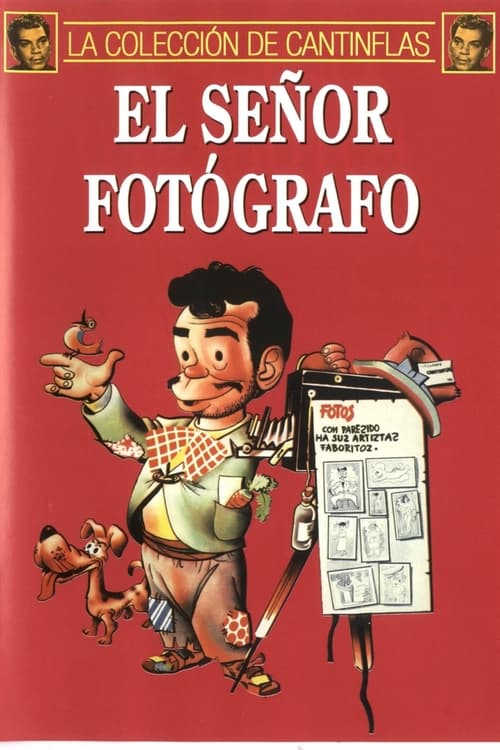
Cantinflas, a traveling photographer, is captured by some gangsters while trying to get some flowers for his girlfriend. The gangsters have confused him with the assistant of Dr. Penongo, a scientist who has discovered the formula of a new atomic bomb. Meanwhile, Penongo has suffered a car accident and has lost his memory ...
1952
1951
1948

1944

1941

1955

1946
1963
No reviews yet. Be the first to share your thoughts on this movie!
Use the rating form above to leave a star rating and optional review.