Adventures of Kitty O'Day
1945
No user ratings available yet
Representation score: 2.3 out of 10
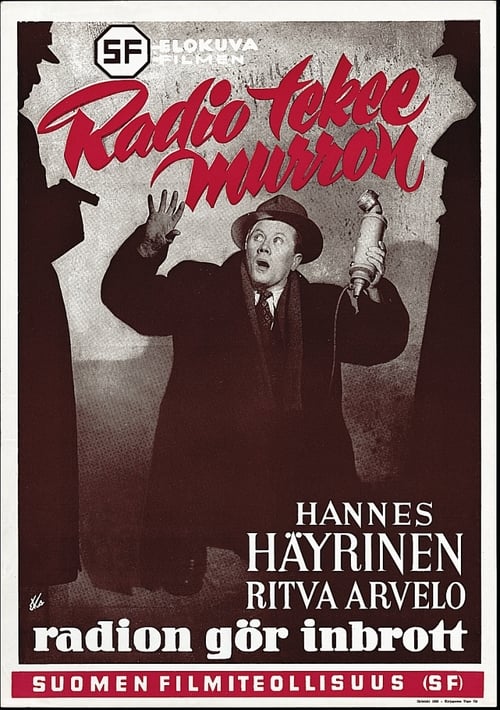
Representation Score
Minimal
1951
Director
Matti Kassila
Runtime
91 minutes
Average Rating
No ratings yetNew Showbiz Analysis
Radio tekee murron is a period-specific crime comedy that reflects the social constraints of 1950s Finland. The narrative relies on traditional genre clichés such as investigation and comedic misunderstandings, rather than challenging social hierarchies. While the film includes a female professional colleague, Eila, the structural ability to act remains centered on the male lead. The production functions as a localized cultural product, focusing on a specific Finnish milieu without broadening its scope to include diverse identities.
Category Breakdown
The film does not include any representation of LGBTQ+ identities or explore non-traditional gender roles.
The film features a female professional colleague, Eila, but the main conflict is driven by the male protagonist, reflecting traditional gender roles of the time.
Set in post-war Helsinki, the film reflects the homogeneous demographics of 1950s Finland and does not include any racial or ethnic diversity.
The narrative focuses on the novelty of radio technology and situational crime, avoiding overt religious dogma but not promoting secularism or critiquing Western institutions.
The film does not feature any characters with visible or invisible disabilities and does not use disability as a central plot device or for character development.
Present on Screen
Limited or Absent
Official Synopsis
Eager young radio reporter Teräsvuori stages a one-man burglary into the Helsinki Art Museum, recorded on tape for a later broadcast by his friend Laakso. Things go awry when a gang of real criminals overhear their plans and book their heist to coincide. Teräsvuori gets caught but escapes from police custody to start his private investigations together with female radio colleague Eila.
1945
1955

1956
1962
1986

1961

1969
1952
No reviews yet. Be the first to share your thoughts on this movie!
Use the rating form above to leave a star rating and optional review.