
Fly Away, Young Man!
1947
No user ratings available yet
Representation score: 3.0 out of 10
Representation Score
Fair
1950
Director
Miguel M. Delgado
Runtime
113 minutes
Average Rating
No ratings yetNew Showbiz Analysis
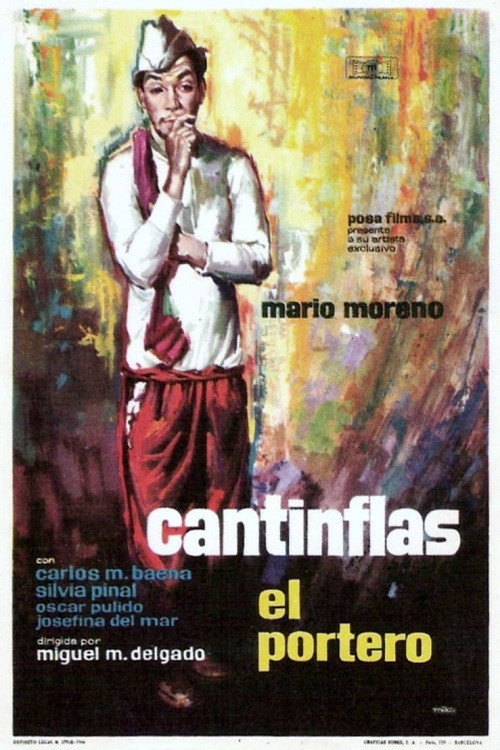
El Portero is a significant cultural artifact of the Golden Age of Mexican cinema, centering working-class struggles through the iconic 'peladito' archetype. It successfully disrupts Western hegemony by providing a distinctly Latin American social context. However, the film remains tied to mid-century social hierarchies, following conventional paths in romantic and disability narratives that prioritize traditional norms over progressive representation. Ultimately, while the film offers valuable non-Western perspectives, its adherence to traditional gender roles and the medicalization of disability limits its progressive impact.
Category Breakdown
There are no LGBTQ+ characters or narratives that challenge the assumption that everyone is straight or cisgender.
The film adheres to mid-century gender roles, presenting the female lead as needing rescue. The protagonist uses intellect primarily to achieve a traditional romantic resolution.
The film centers local Latin American social dynamics, offering a non-Anglo-Saxon perspective that departs from Hollywood-centric casting norms.
It explores class struggles and economic hardship, relying on conventional social morality and restoring normalcy through traditional views of bodily perfection.
The plot focuses on restoring mobility, using a medical model of disability where the character's ability to drive the story is tied to finding a cure.
Present on Screen
Limited or Absent
Official Synopsis
Cantinflas works as a porter, who writes letters and speeches in his old writing machine to earn an extra money, despite the fact that he still goes to school. The sentimental issues come when Cantinflas falls in love of his pretty neighborhood (Silvia Pinal), who is handicapped and unable to walk. The thing wont be easy, because a young military man also has feelings for the girl. But the porter wants to see her happy, and he will become a sort of Cyrano De Bergerac, writing love letters to her signed by the young soldier. His plan is simple: to win money in the horse races in order to pay the operation which will make her walk again.
1947

1957
1951
1952
1956
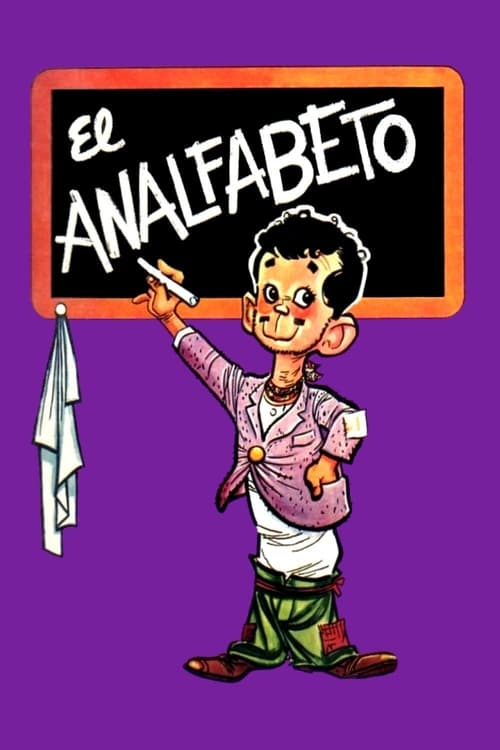
1961

1943
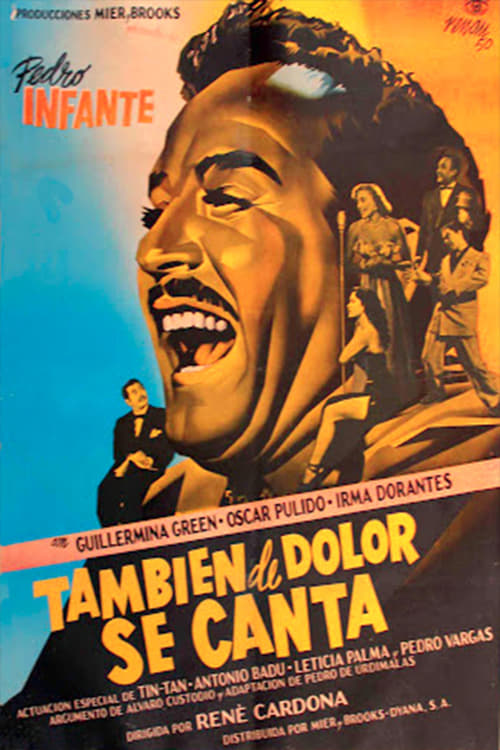
1950
No reviews yet. Be the first to share your thoughts on this movie!
Use the rating form above to leave a star rating and optional review.