
¡A volar, joven!
1947
No user ratings available yet
Diversity score: 4.6 out of 10
1952
Director
Miguel M. Delgado
Runtime
95 minutes
Average Rating
No ratings yetSynopsis
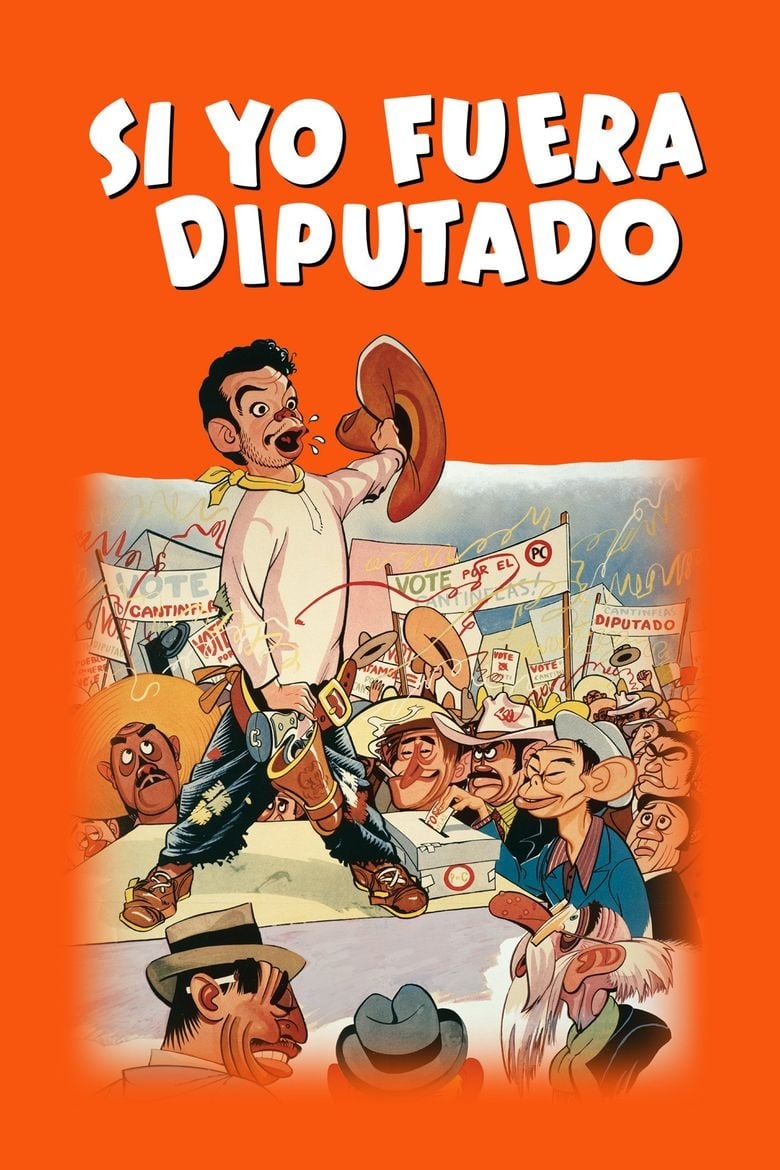
Cantinflas is a unique barber, who trades with an elderly neighbor, a lawyer by profession, laws lessons in exchange for haircuts and shaved. It proposes advice to defend in court the disadvantaged neighborhood. His success deputy seeks the votes as the other candidate, Don Próculo, it is not accepted by anyone but his own bodyguards. Don Próculo will use know how much ruse to win the election by the Council, and also for the love of 'Sarita'
Overall Score
Fair
Category Breakdown
LGBTQ+ Representation
The film lacks LGBTQ+ characters or narratives addressing non-cisnormative identities. The plot centers on a romantic rivalry involving Sarita, suggesting a traditional heteronormative framework.
Gender Representation
Gender roles follow 1950s conventions, with Sarita serving as a figure of romantic contention. While the protagonist possesses significant agency, the film does not explicitly subvert gender hierarchies.
Racial & Ethnic Diversity
As a product of Mexico's Golden Age, the film centers a non-Anglo-Saxon perspective. It focuses on a disadvantaged neighborhood, emphasizing socioeconomic and ethnic identity within a Latin American context.
Religious & Cultural Diversity
The narrative critiques formal institutions by framing a barber as a defender of the community. It prioritizes grassroots morality over the perceived infallibility of legal and political establishments.
Disability Representation
There is no mention of characters with visible or invisible disabilities within the narrative.
Strengths
Areas for Improvement
AI Analysis
Si yo fuera diputado is a mid-century Mexican comedy that uses the character of Cantinflas to explore the tension between institutional power and working-class agency. The film succeeds in providing a non-Western perspective on political and legal systems, centering a marginalized laborer as a central advocate for his community. However, the film is heavily constrained by its historical era. It lacks representation for LGBTQ+ identities and does not feature characters with disabilities. The gender dynamics remain traditional, revolving around a standard romantic rivalry. Ultimately, the film's strength lies in its critique of systemic corruption and its elevation of the disadvantaged neighborhood over formal political machinery.
1947
1964

1962

1944

1949

1957

1941
1976

1965
1982

1969

1955
No reviews yet. Be the first to share your thoughts on this movie!
Use the rating form above to leave a star rating and optional review.