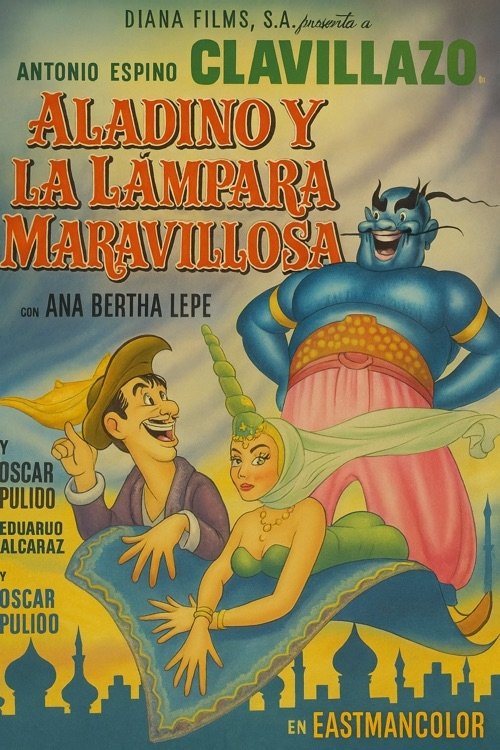
Aladdin and the Marvelous Lamp
1958
No user ratings available yet
Representation score: 2.1 out of 10

Representation Score
Limited
1949
Director
Miguel M. Delgado
Runtime
100 minutes
Average Rating
No ratings yetNew Showbiz Analysis
El Mago is a classic example of mid-century Mexican populist comedy. It skillfully uses character-driven humor to navigate social classes through the 'peladito' archetype. The film's strength lies in its engagement with class-based narratives and the subversion of formal authority. However, the film's portrayal of identity and gender remains tied to traditional cinematic conventions of the late 1940s. It relies on well-known formulas that limit the depth of its social commentary. Ultimately, while El Mago is a significant cultural artifact of the Golden Age of Mexican cinema, its diversity profile is limited by the era's standard comedic frameworks.
Category Breakdown
The film does not include any LGBTQ+ characters or narratives. It follows traditional romantic storylines common in 1949 Mexican comedies.
Women in the film mainly serve as objects of affection or triggers for the main character's misfortunes. The story focuses on male pursuits and offers little evidence of women having significant control over their own lives.
The film features a mostly Mestizo cast, emphasizing Mexican identity and local cultural types. While culturally relevant, it lacks the modern complexity of intersecting identities.
Slapstick humor is used to explore social dynamics and challenge formal authority. The protagonist uses clever wordplay to bypass strict social rules.
There is no mention of physical or neurodivergent disabilities in this film.
Present on Screen
Limited or Absent
Official Synopsis
A slapstick fantasy of the amorous adventures of a magician a la Cantinflas.
1958
1963
1957
1945
1974
1978
1957

1969
No reviews yet. Be the first to share your thoughts on this movie!
Use the rating form above to leave a star rating and optional review.