
The Floorwalker
1916
No user ratings available yet
Diversity score: 2.3 out of 10
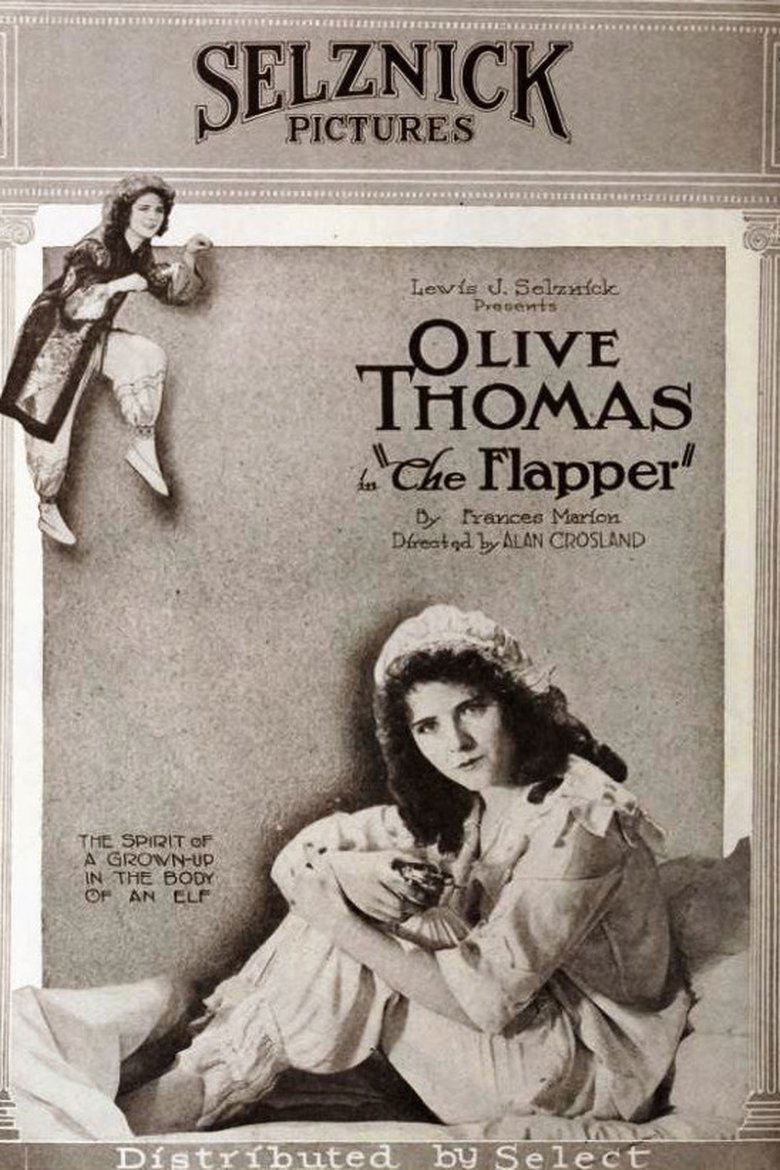
1920
Director
Alan Crosland
Runtime
88 minutes
Average Rating
No ratings yetSynopsis
A Southern teen at a ritzy boarding school gets into mischief while acting the sophisticated grownup to impress a suave gentleman and match wits with a pair of jewel thieves.
Overall Score
Fair
Category Breakdown
LGBTQ+ Representation
The film focuses strictly on heteronormative courtship and Jazz Age social dancing. There is no evidence of non-cisnormative identities or same-sex intimacy within the narrative.
Gender Representation
The film subverts traditional hierarchies by centering on a protagonist with significant agency. It celebrates the 'flapper' persona, prioritizing female independence and physical autonomy over submissive femininity.
Racial & Ethnic Diversity
The social milieu is overwhelmingly homogeneous, focusing on a white, middle-to-upper-class circle. The film reflects the era's systemic lack of diverse ethnic representation.
Religious & Cultural Diversity
The narrative celebrates social rebellion and modern identity over religious or traditional moral frameworks. It embraces secular social rituals and consumerist leisure as tools for personal liberation.
Disability Representation
There is no significant depiction of physical or neurodivergent characters. Characters are defined by social standing rather than disability, which is not used as a plot device.
Strengths
Areas for Improvement
AI Analysis
The film is a landmark for its portrayal of female agency, successfully challenging Victorian-era social constraints through the 'New Woman' archetype. The protagonist's wit and rejection of decorum drive the plot forward. However, the work is limited by the systemic biases of 1920. It lacks racial and LGBTQ+ diversity, presenting a homogeneous social world that excludes non-white and non-heteronormative experiences. Ultimately, the film serves as a transitional text. It trades traditional moral authority for modern individualism, even while remaining confined by the era's lack of intersectional representation.
1916
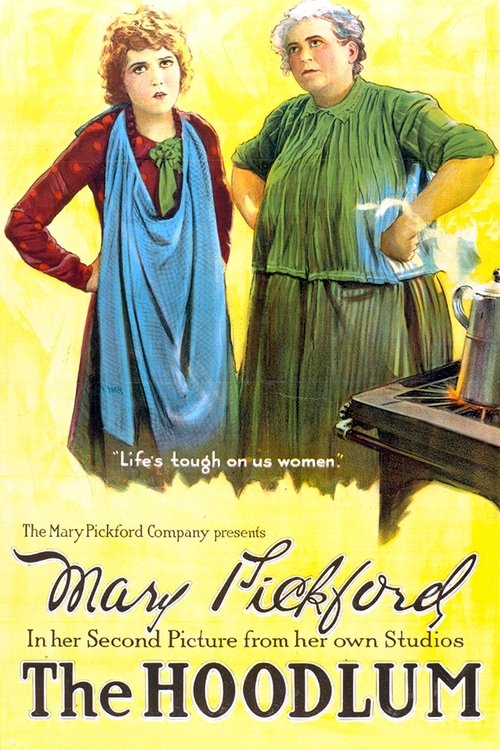
1919
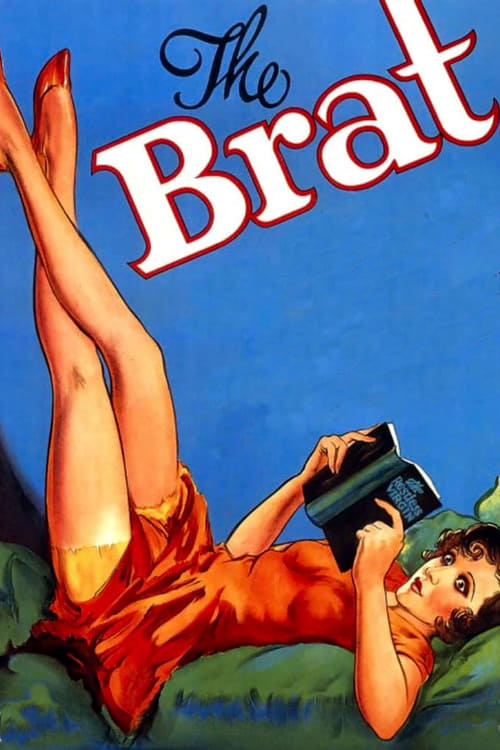
1931
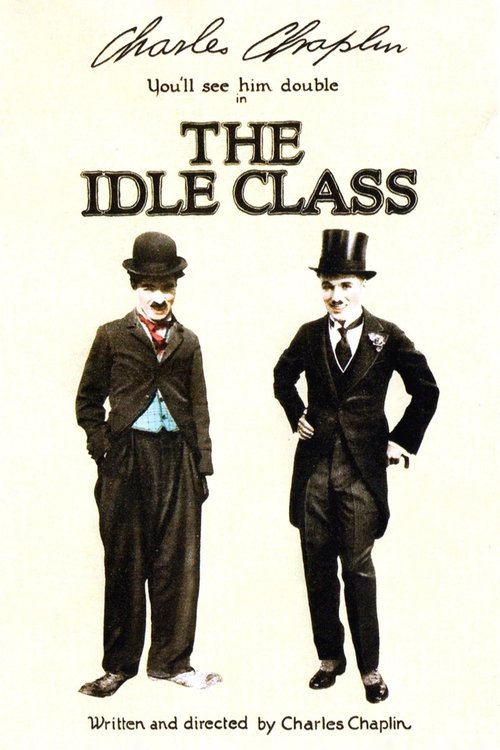
1921
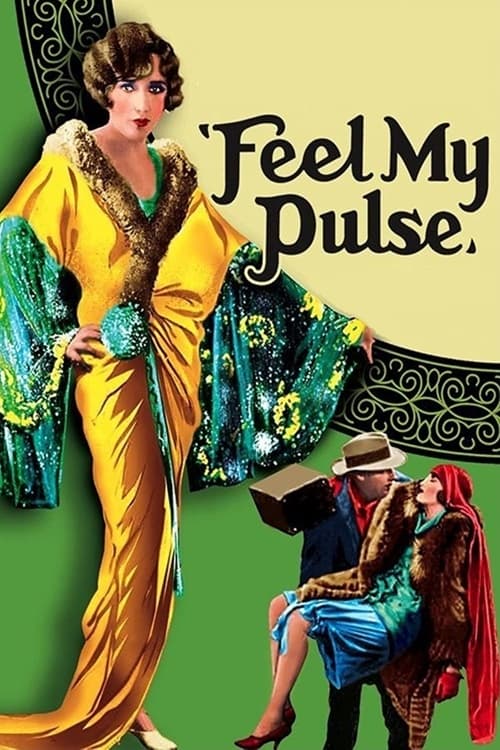
1928
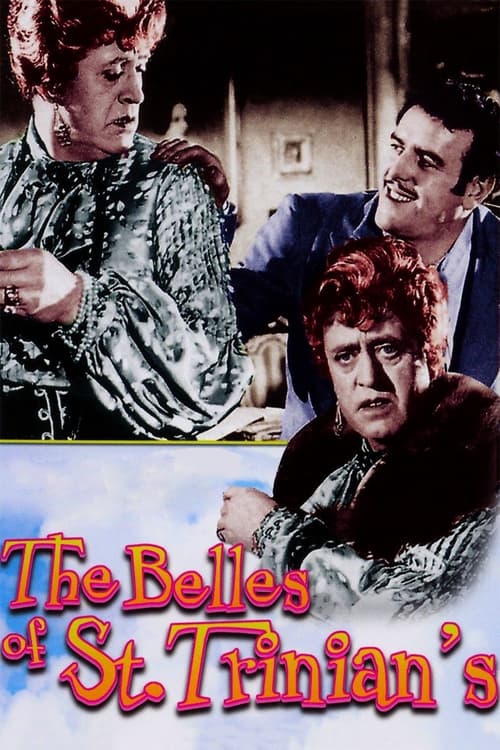
1954
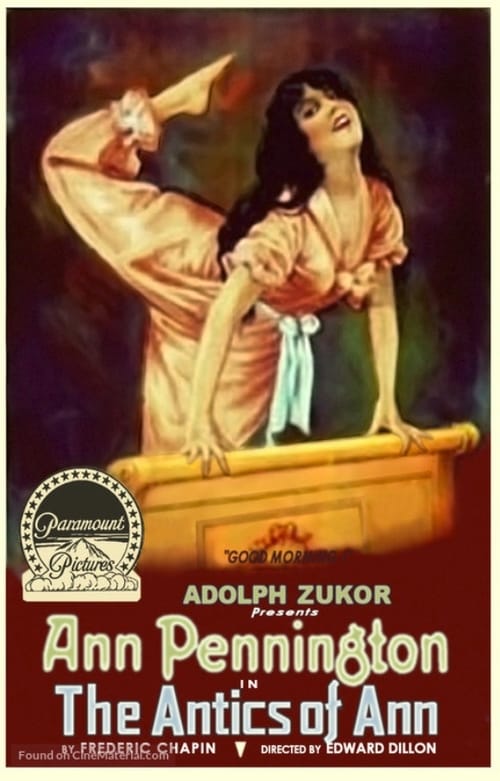
1917
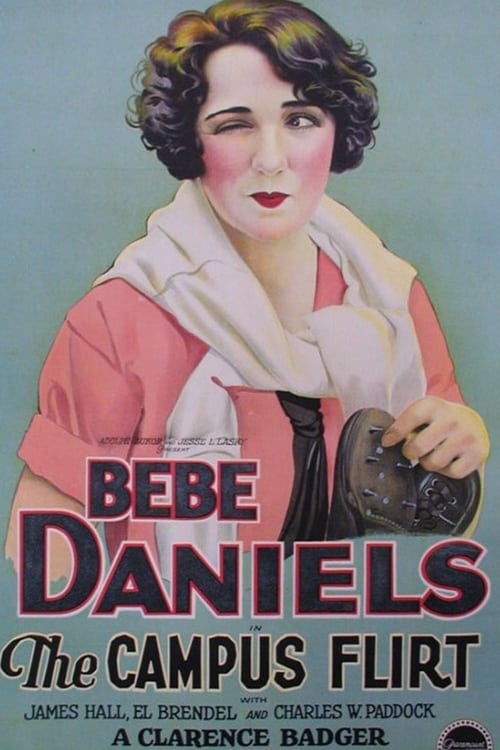
1926
1932
1931
1928
1916
No reviews yet. Be the first to share your thoughts on this movie!
Use the rating form above to leave a star rating and optional review.