
The Little Snob
1928
No user ratings available yet
Representation score: 1.1 out of 10
Representation Score
Minimal
1931
NRDirector
John Ford
Runtime
65 minutes
Average Rating
No ratings yetNew Showbiz Analysis
The film primarily focuses on class-based humor, using the clash between different social classes to advance the plot. The central tension stems from an outsider disrupting a rigid, upper-class family structure. Despite a lack of representation for race, disability, or LGBTQ+ identities, the film offers a strong female lead who challenges traditional social hierarchies. It ultimately presents a critique of class-based snobbery, suggesting a more flexible social morality.
Category Breakdown
The film does not include any representation of LGBTQ+ identities.
A confident female character drives the story by challenging the established social order of a pretentious family.
The main cast is predominantly white, with no indication of non-white characters. The central conflict revolves around social class rather than racial issues.
The story critiques traditional Western social structures. By changing the behavior of a snobbish family, the narrative questions the dominance of established social norms.
There is no depiction of physical, neurodivergent, or mental health conditions in this work.
Present on Screen
Limited or Absent
Official Synopsis
A society novelist brings a brash young chorus girl home in order to study her for inspiration for his new novel. His family is distraught, but soon her behavior has forever altered their snobbish ways.
1928
1936
1931
1937
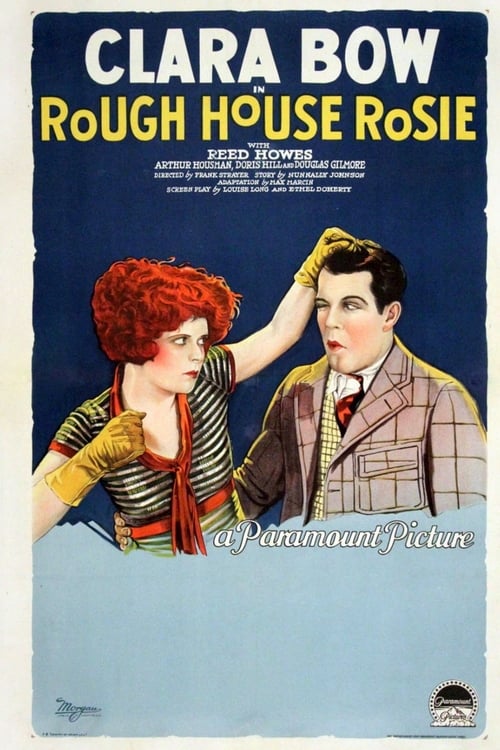
1927
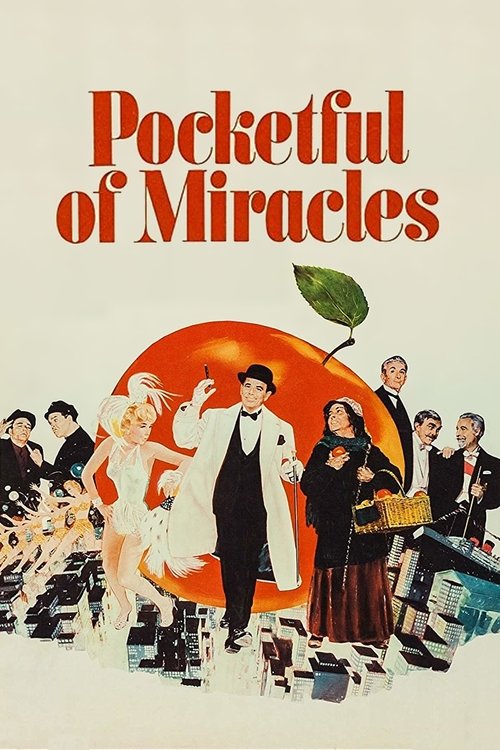
1961
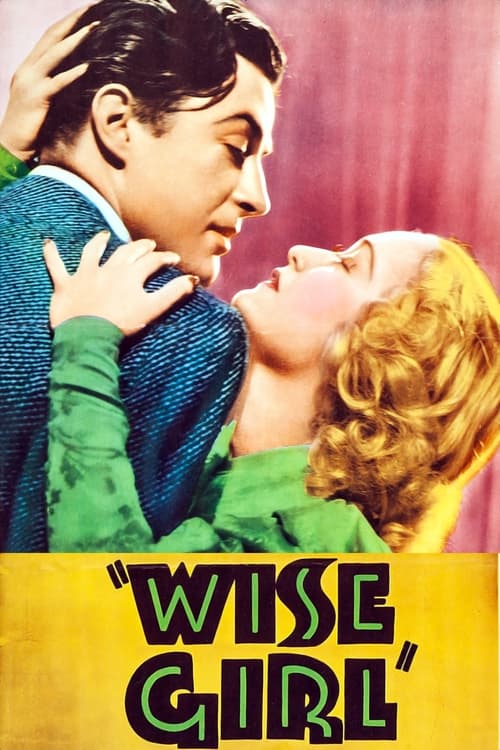
1937
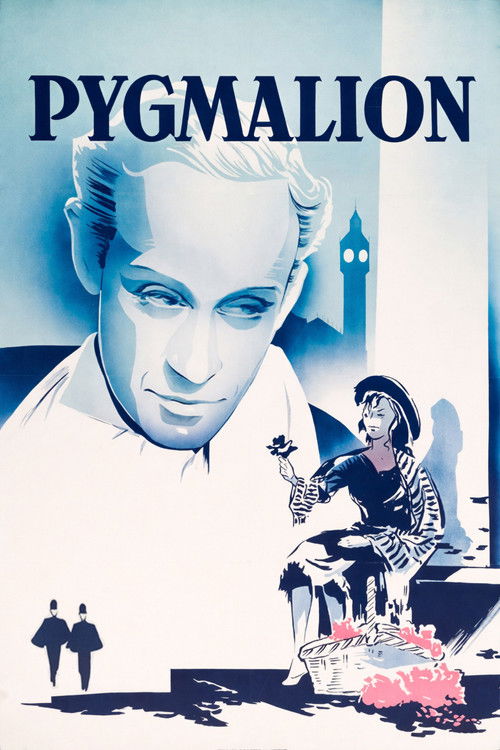
1938
No reviews yet. Be the first to share your thoughts on this movie!
Use the rating form above to leave a star rating and optional review.