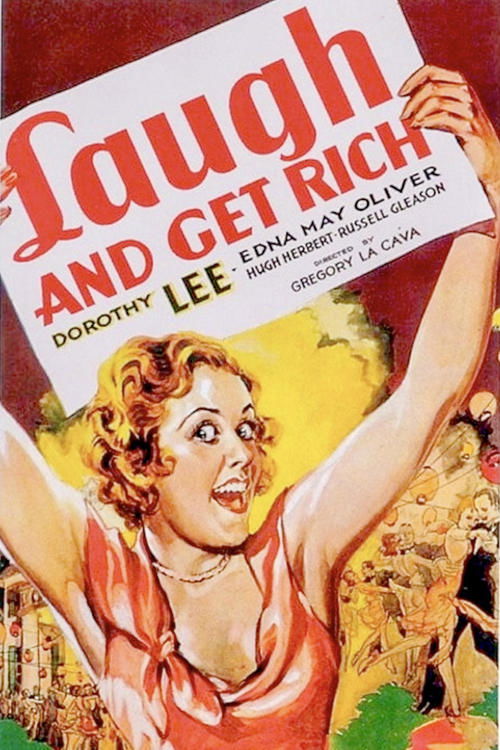
Laugh and Get Rich
1931
No user ratings available yet
Diversity score: 2.8 out of 10
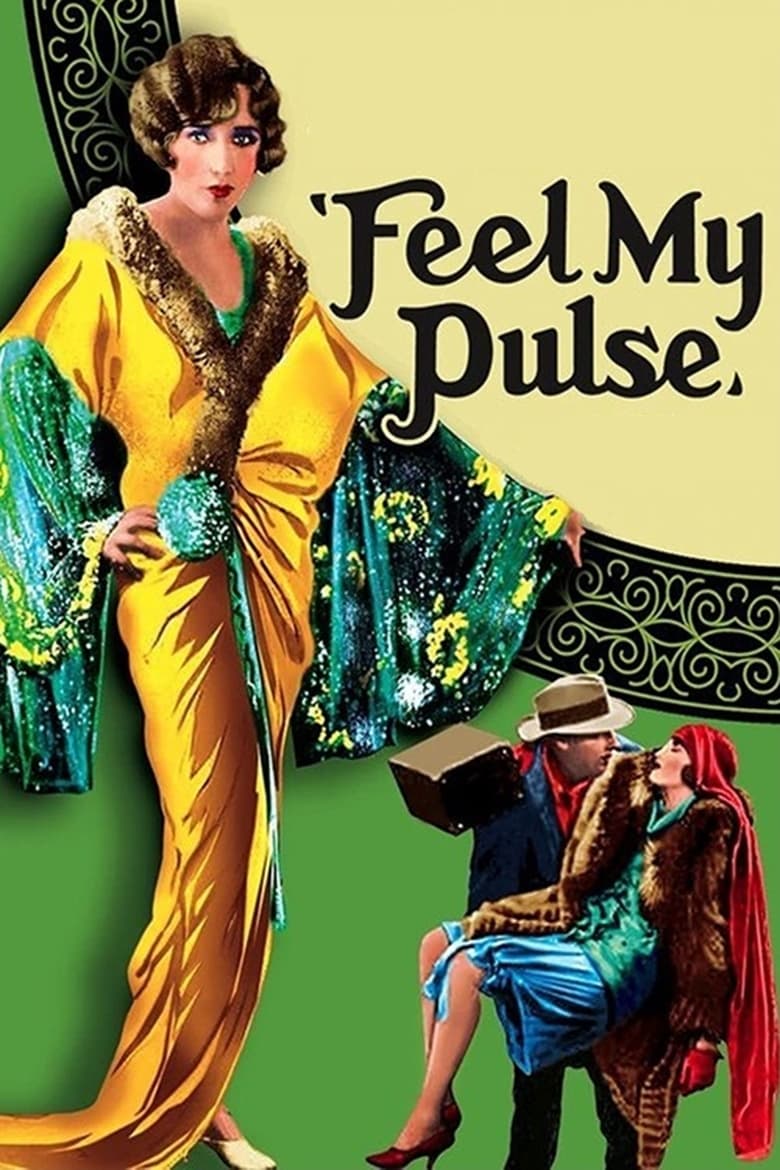
1928
PassedDirector
Gregory La Cava
Runtime
86 minutes
Average Rating
No ratings yetSynopsis
A rich but hypochondriac heiress inherits a sanitarium. What she doesn't know is that it is a front for bootleggers, and a hideout for criminals on the run from the law.
Overall Score
Fair
Category Breakdown
LGBTQ+ Representation
The film contains no evidence of non-heteronormative identities. In the context of 1928 cinema, such depictions were virtually non-existent due to systemic censorship.
Gender Representation
A female heiress holds central plot importance and economic agency. However, her character is defined by hypochondria, a trope that risks framing female agency through psychological instability.
Racial & Ethnic Diversity
The narrative lacks evidence of a diverse or non-Anglo-Saxon cast. It likely reinforces the homogeneous social structures prevalent in 1920s studio productions.
Religious & Cultural Diversity
The story critiques established institutions by framing a sanitarium as a criminal front. This portrayal suggests a comedic skepticism toward traditional Western structures of authority.
Disability Representation
The protagonist's hypochondria drives the plot. Using perceived health conditions as a comedic device often treats ailments as narrative catalysts rather than nuanced lived experiences.
Strengths
Areas for Improvement
AI Analysis
Feel My Pulse operates as a traditional social comedy of the silent era. It centers on a high-society heiress whose inheritance of a sanitarium exposes a criminal underworld of bootleggers. The film finds its strength in subverting institutional legitimacy. By turning a medical facility into a hideout for criminals, the narrative challenges the perceived stability of social and medical establishments. However, the film lacks intersectional depth. It relies on period-typical archetypes and homogeneous casting, offering little representation of racial or LGBTQ+ identities.
1931
1944
1920

1927
1919
1932
1938
1929
1938

1929
1935

1931
No reviews yet. Be the first to share your thoughts on this movie!
Use the rating form above to leave a star rating and optional review.