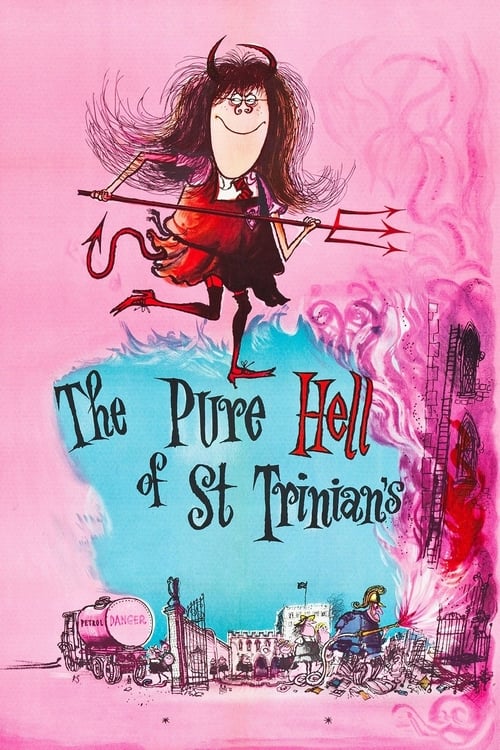
The Pure Hell of St Trinian's
1960
No user ratings available yet
Representation score: 3.1 out of 10
Representation Score
Limited
1954
NRDirector
Frank Launder
Runtime
91 minutes
Average Rating
No ratings yetNew Showbiz Analysis
The film stands out by challenging traditional gender roles through assertive, unruly women who reject social norms. This creates a strong foundation of female empowerment within a comedic context. However, the narrative lacks diversity. Non-white characters are minimal and functional rather than deeply developed, and there is no representation of LGBTQ+ or disability issues. Overall, the film is a study in disrupting institutional norms. It uses a female-centric collective to challenge mid-century social structures, despite being limited by the era's demographic uniformity.
Category Breakdown
The film does not include any LGBTQ+ characters or explore non-straight identities. Social interactions revolve around traditional heterosexual relationships and male interests.
Female characters play a significant role in driving the narrative through chaos and mischief, rejecting the 'proper lady' stereotype. Students and staff take control and act independently, defying mid-century expectations of female subservience.
The cast is mainly white, reflecting the demographic uniformity of 1954 British cinema. Princess Fatima introduces a non-Anglo-Saxon character, but she primarily serves as a plot device.
The story dismantles traditional Western institutions like the British boarding school. It celebrates organized dysfunction and moral relativism, challenging the era's emphasis on discipline and decorum.
There are no visible depictions of physical or neurodivergent disabilities. No characters have arcs centered on sensory or mental health conditions.
Present on Screen
Limited or Absent
Official Synopsis
The unruly schoolgirls of St Trinian's are more interested in men and mischief than homework and hockey. But greater trouble than ever beckons when the arrival at the school of Princess Fatima of Makyad coincides with the return of recently expelled Arabella Fritton, who has the kidnap of a prize racehorse on her mind.
1960
1940
1957
1933
1980
1980
1950

1964
No reviews yet. Be the first to share your thoughts on this movie!
Use the rating form above to leave a star rating and optional review.