Winnie
1988
No user ratings available yet
Representation score: 3.9 out of 10
Representation Score
Good
1989
Director
Peter Hall
Runtime
103 minutes
Average Rating
No ratings yetNew Showbiz Analysis
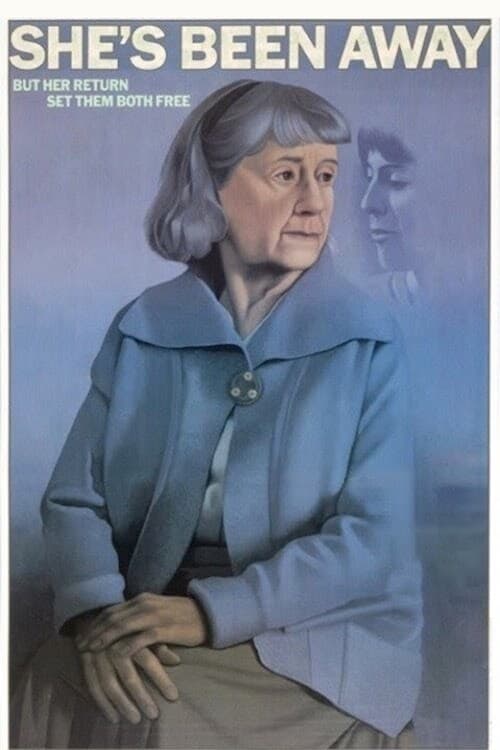
She's Been Away is a character-driven period drama that effectively critiques gendered social constraints. By focusing on a woman punished for her independence, the film provides a powerful deconstruction of historical social norms. However, the film's impact is limited by a lack of racial and LGBTQ+ diversity. The homogeneous cast and absence of queer identities reflect the period setting but restrict the narrative's breadth. Ultimately, while the film offers a nuanced look at systemic social control and personal freedom, its overall diversity is constrained by its narrow demographic focus.
Category Breakdown
The film does not include explicit LGBTQ+ characters or non-straight relationships. The plot revolves around domestic and family life without any clear queer undertones.
The narrative highlights historical restrictions on women's autonomy by focusing on a woman institutionalized for rejecting social norms. It explores the tension between societal repression and personal freedom.
The cast is primarily white and uniform, reflecting the British/European setting of the period. There is no indication of diverse ethnic backgrounds within the main storyline.
The film critiques Western social institutions and the use of institutionalization to enforce conformity. It questions the moral authority of traditional family units and societal norms.
The story examines how mental health labels can be used to marginalize non-conformists. However, it focuses more on the social control rather than the lived experience of those with disabilities.
Present on Screen
Limited or Absent
Official Synopsis
A woman who has been institutionalized for 60 years for the "crime" of not conforming to the 1920s image of what a proper young woman should be (in other words, she did what she wanted and didn't care what anyone else thought about it) is finally released to the custody of her family, consisting of her grand-nephew and his family. At first she keeps a self-imposed distance from the relatives, but she soon finds herself coming around to her nephew's wife, a free spirit who is under the thumb of her cold and controlling husband.
1988

1974

1972

1995

1982

2008
1992

1993
No reviews yet. Be the first to share your thoughts on this movie!
Use the rating form above to leave a star rating and optional review.