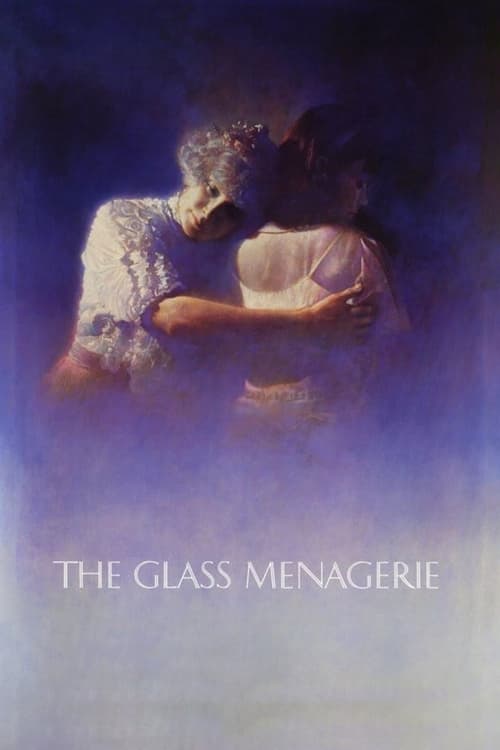
The Glass Menagerie
1987
No user ratings available yet
Representation score: 5.0 out of 10

Representation Score
Fair
1973
TV-PGDirector
Anthony Harvey
Runtime
100 minutes
Average Rating
No ratings yetNew Showbiz Analysis
Anthony Harvey’s adaptation of Tennessee Williams’ work excels as a psychological study, particularly in its challenge to traditional gender roles. By focusing on Amanda Wingfield’s dominance, the film disrupts conventional patriarchal structures and offers a realistic view of domestic life. However, the production remains confined by its historical context and narrow scope. The absence of racial diversity and queer representation reflects the era’s social limitations, offering limited breadth beyond the central family unit. Ultimately, the film provides a sophisticated critique of socioeconomic pressures and familial obligations, though it relies heavily on disability as a plot device.
Category Breakdown
The film centers on heterosexual relationships and the search for a boyfriend, without depicting any queer identities or non-binary gender expressions.
Amanda Wingfield emerges as a strong matriarch, challenging traditional patriarchal structures. The film portrays masculine leadership as ineffective, highlighting the female protagonist's emotional control.
Set during the Great Depression, the film features a predominantly white cast. It does not actively address or challenge the racial hierarchies of the time.
The narrative criticizes Western institutions by showing the nuclear family as a source of psychological distress. It highlights the Great Depression's economic pressures as a cause of family breakdown.
Laura is characterized by physical frailty and social anxiety. While the film avoids using her condition for inspirational purposes, her condition frequently triggers family crises.
Present on Screen
Limited or Absent
Official Synopsis
An aging Southern Belle complicates life for her ambitious son and crippled daughter because of her own warped views of what life should be.
1987
1961
1950

1961
1966

1945

1985

1982
No reviews yet. Be the first to share your thoughts on this movie!
Use the rating form above to leave a star rating and optional review.