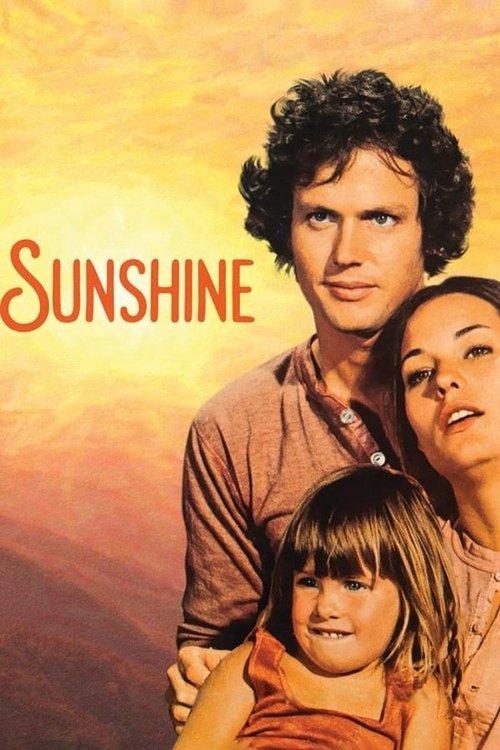
Sunshine
1973
No user ratings available yet
Representation score: 2.5 out of 10
Representation Score
Fair
1983
NRDirector
George Schaefer
Runtime
106 minutes
Average Rating
No ratings yetNew Showbiz Analysis
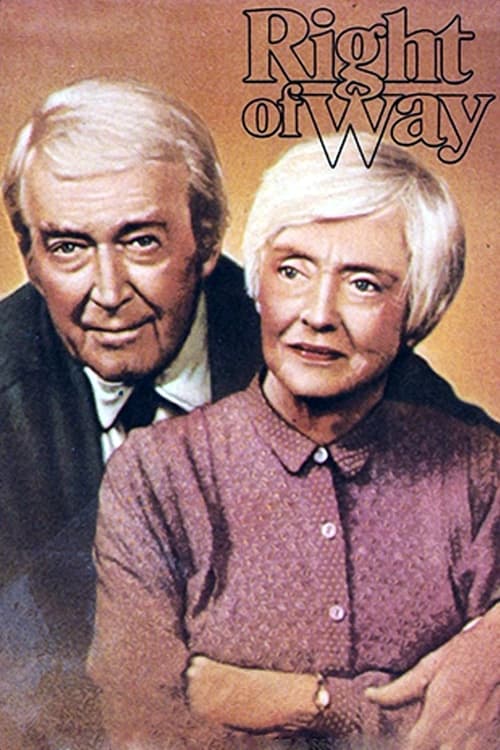
Right of Way is a character-driven psychological drama that prioritizes individual autonomy over social and institutional norms. It successfully challenges gendered expectations of passivity, presenting a female lead who exerts extreme control over her final circumstances. However, the film lacks multi-layered breadth. The narrative appears limited to a traditional, homogeneous domestic setting, offering little representation regarding racial diversity or LGBTQ+ identities. Ultimately, the film's strength lies in its philosophical exploration of personal control, even as it remains narrow in its demographic scope.
Category Breakdown
The film centers on a traditional marriage between Minnie and Teddy. There are no queer identities or non-straight relationships presented in the narrative.
Minnie serves as a strong female lead who exercises radical autonomy. She rejects passive feminine stereotypes by making a self-determined choice about her end-of-life planning.
The story appears to center on a homogeneous, domestic drama. There is no indication of a diverse or non-Anglo-Saxon cast in the provided context.
The narrative critiques institutional authority by showing a couple resisting social workers and medical structures. It prioritizes individual control over societal or religious dictates.
The plot addresses terminal illness as a central theme. However, it focuses more on the psychological implications of mortality than the lived experience of disability.
Present on Screen
Limited or Absent
Official Synopsis
Miniature Dwyer is named after her mother, who was making miniature doll houses when Minnie was born. Minnie, too, has built doll houses for years, and when she learns that she is terminally ill, she and her husband Teddy begin planning their joint suicide. She makes sure that her dolls are placed with people who will appreciate and cherish them. The couple refuse to allow their grief-stricken daughter or the solicitous social worker or anyone else to forestall the death they are determined is right for them
1973

2001

1976

1989

2002

2021

1982
1973
No reviews yet. Be the first to share your thoughts on this movie!
Use the rating form above to leave a star rating and optional review.