
A Piano for Mrs. Cimino
1982
No user ratings available yet
Representation score: 4.5 out of 10

Representation Score
Fair
2014
NRDirector
Michael Wilson
Runtime
89 minutes
Average Rating
No ratings yetNew Showbiz Analysis
The Trip to Bountiful functions primarily as a traditional character study centered on a single familial unit. While it provides a meaningful exploration of women's ability to drive the story and the struggle against restrictive domestic hierarchies, the narrative lacks broader demographic breadth. The film succeeds in highlighting the struggle for autonomy in aging, yet it remains limited by a lack of multi-layered complexity. The focus stays strictly within a homogeneous, traditional dramatic framework. Ultimately, the work prioritizes personal liberation over systemic or diverse social critiques, resulting in a narrow but focused narrative scope.
Category Breakdown
The film focuses on domestic familial tensions and age-related autonomy. There is no visible evidence of non-straight or non-cisgender identities or critiques of the assumption that everyone is straight or cisgender.
The story centers on a matriarch's struggle for control against the confining domestic structures imposed by her son and daughter-in-law. This tension suggests a challenge to traditional hierarchies.
The narrative appears to adhere to traditional, homogeneous casting norms. There is no evidence of a non-Anglo-Saxon majority cast within this character-driven drama.
The film explores themes of individual freedom versus familial confinement. It focuses on personal liberation rather than explicit anti-capitalist or secularist frameworks.
The plot is driven by the protagonist's loss of mobility and inability to drive. This introduces central themes regarding age-related physical limitations and navigating a restrictive world.
Present on Screen
Limited or Absent
Official Synopsis
Carrie Watts begrudgingly lives with her busy, overprotective son, Ludie and pretentious daughter-in-law, Jessie Mae. No longer able to drive and forbidden to travel alone, she wishes for freedom from the confines of the house.
1982

2016

1966

1985

1989

2004

2018
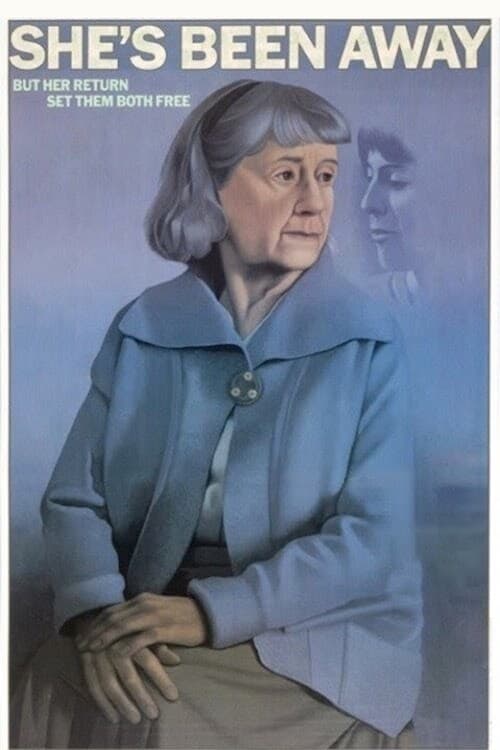
1989
No reviews yet. Be the first to share your thoughts on this movie!
Use the rating form above to leave a star rating and optional review.