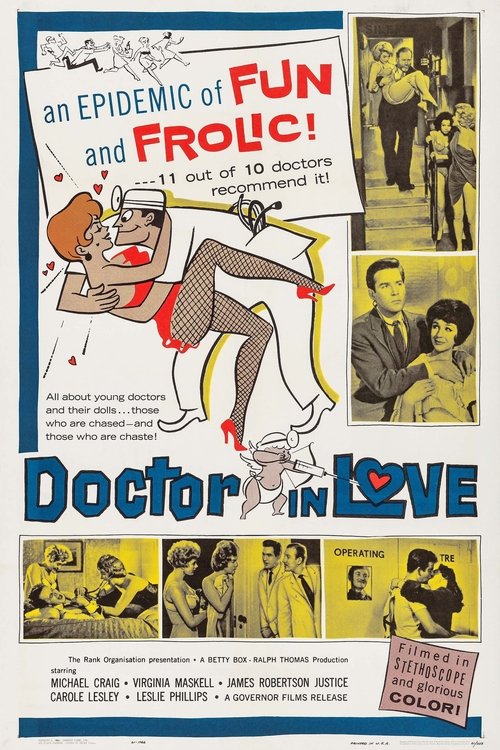
Doctor in Love
1960
No user ratings available yet
Representation score: 1.7 out of 10
Representation Score
Minimal
1954
Not RatedDirector
Ralph Thomas
Runtime
92 minutes
Average Rating
No ratings yetNew Showbiz Analysis
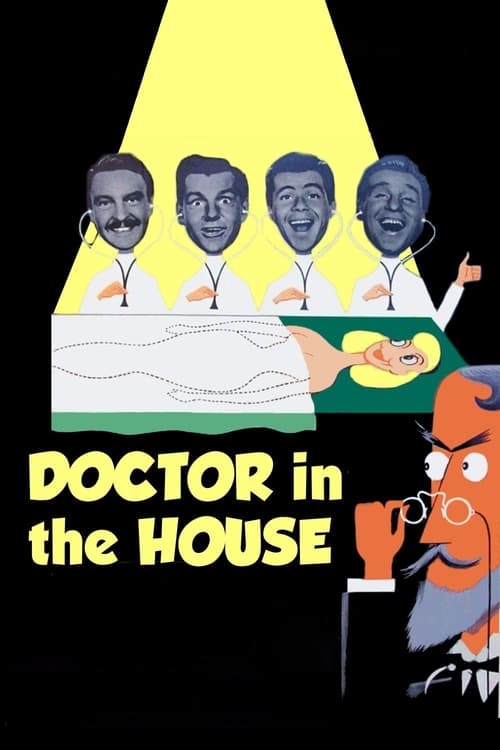
Doctor in the House is a period-accurate social comedy that reinforces mid-century British hierarchies. The narrative centers on the professional and social growth of male medical students within a rigid, patriarchal institution. The film closely follows the cultural norms of 1954, presenting a homogeneous view of the medical profession. It lacks diverse representation, focusing instead on the comedic tension between youthful exuberance and established authority. Ultimately, the work upholds the status quo of its era, celebrating institutional stability and traditional social structures through its casting and thematic focus.
Category Breakdown
The film does not include any LGBTQ+ characters or non-assuming gender matches what was assigned at birth identities. Romantic subplots adhere to traditional heterosexual norms, focusing on conventional courtship between male students and women.
Male students and faculty play prominent roles, reinforcing traditional hierarchies. Female characters mainly support or romanticize the male protagonists, lacking significant roles in driving the professional plot.
The cast and setting are predominantly white, reflecting 1954 London. There is no significant ethnic or racial diversity among the students or staff, depicting a homogeneous professional class.
The narrative upholds traditional Western and British institutional values, portraying academic and medical hierarchies as stable and respected structures without critique.
There is no meaningful depiction of disability or neurodivergence. Set in a hospital, the focus is on the social lives of healthy students rather than patient experiences.
Present on Screen
Limited or Absent
Official Synopsis
The first of the seven "Doctor" films, based on Richard Gordon's novels and released between 1954 and 1970. Simon Sparrow is a newly arrived medical student at St Swithin's hospital in London. Falling in with three longer-serving hopefuls he is soon immersed in the wooing, imbibing and fast sports-car driving that constitute 1950s medical training. There is, however, always the looming and formidable figure of chief surgeon Sir Lancelot Spratt to remind them of their real purpose.
1960
1971
1966
1953
1955
1965
1963
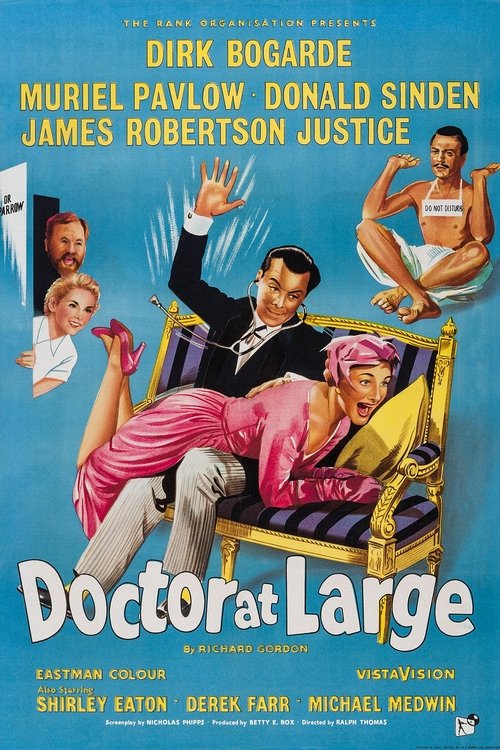
1957
No reviews yet. Be the first to share your thoughts on this movie!
Use the rating form above to leave a star rating and optional review.