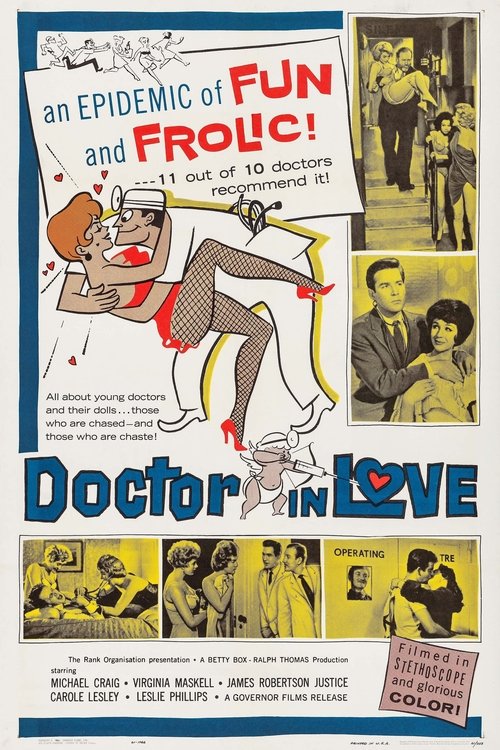
Doctor in Love
1960
No user ratings available yet
Diversity score: 2.2 out of 10
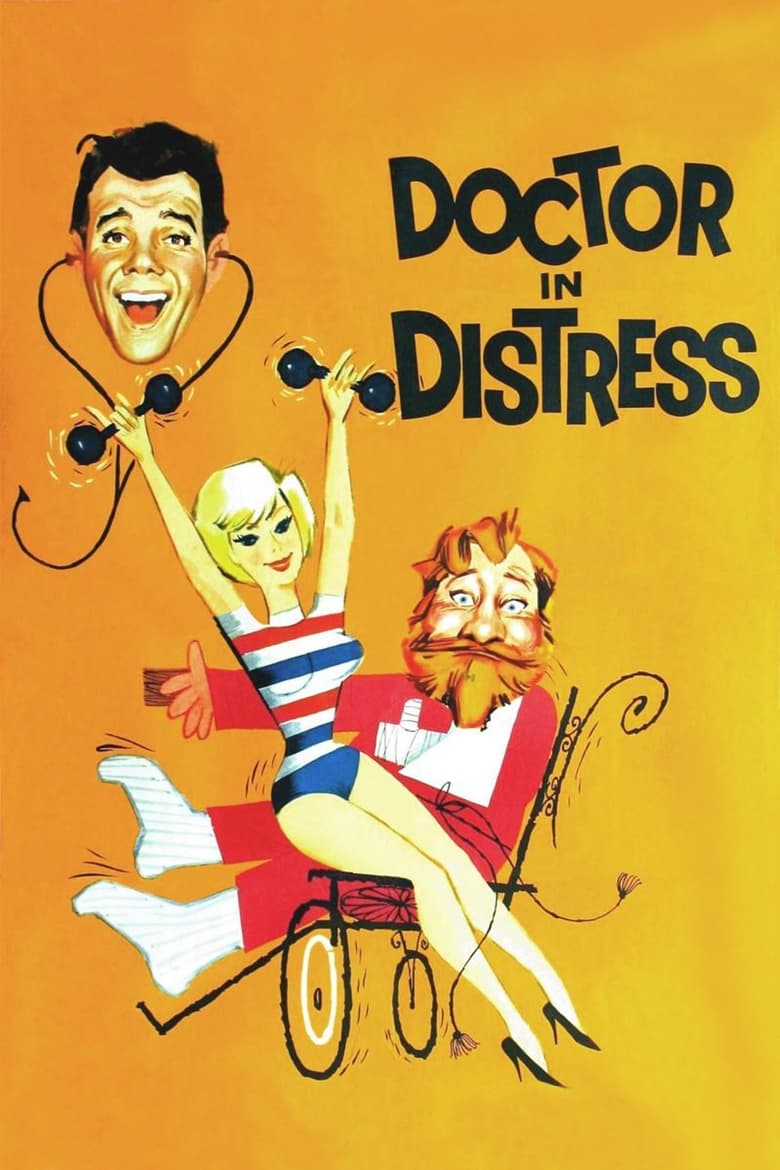
1963
Director
Ralph Thomas
Runtime
102 minutes
Average Rating
No ratings yetSynopsis
"Doctor in Distress" is the fifth of the seven films in the "Doctor" series, and focuses on Sir Lancelot Spratt, Simon Sparrow's old teacher and sometimes nemesis. When the eternal bachelor Sir Lancelot injures his back and falls in love with his physiotherapist Iris Marchant, he becomes very distressed and turns to Simon for help. Simon, who now is a senior doctor at fictional Hampden Cross Hospital and hopelessly in love with aspiring actress Delia, sends him to a nature cure clinic in a vain attempt to help him lose weight, but Sir Lancelot can't get Iris off his mind and has her followed, first by a private investigator and eventually by himself. When he finally proposes, she rejects him and marries an old army major, which distresses Sir Lancelot even more.
Overall Score
Limited
Category Breakdown
LGBTQ+ Representation
The film focuses entirely on heteronormative romantic pursuits. There are no visible queer narratives or non-cisnormative identities present in the story.
Gender Representation
While women like Iris Marchant exercise agency by rejecting romantic advances, the plot remains centered on male emotional distress. The narrative reinforces traditional 1960s gender roles.
Racial & Ethnic Diversity
The cast appears largely homogeneous, reflecting the era's standard casting practices. There is no evidence of significant racial blending or non-Anglo-Saxon central characters.
Religious & Cultural Diversity
The story adheres to traditional Western social values and institutions. It follows a conventional moral arc regarding romance without challenging the existing social status quo.
Disability Representation
Physical ailments, such as a back injury, function primarily as comedic plot devices. The film lacks nuanced representation, using medical conditions mainly to drive situational humor.
Strengths
Areas for Improvement
AI Analysis
The film is a quintessential 1960s British comedy that maintains the social and cultural equilibrium of its era. It relies on established studio conventions and traditional narrative structures rather than subverting social hierarchies. Representation is limited by the period's standards, with a focus on a homogeneous cast and heteronormative dynamics. While female characters possess some individual agency in their romantic choices, the overarching power structures remain conventional. Ultimately, the work functions as a lighthearted romp that avoids intersectional complexity or critiques of Western institutions.
1960

1970
1966
1954
1955
1971
1962
1957

1969
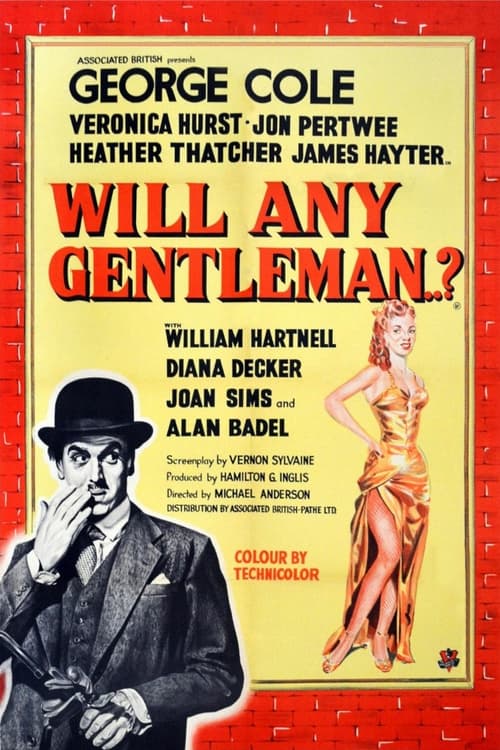
1953
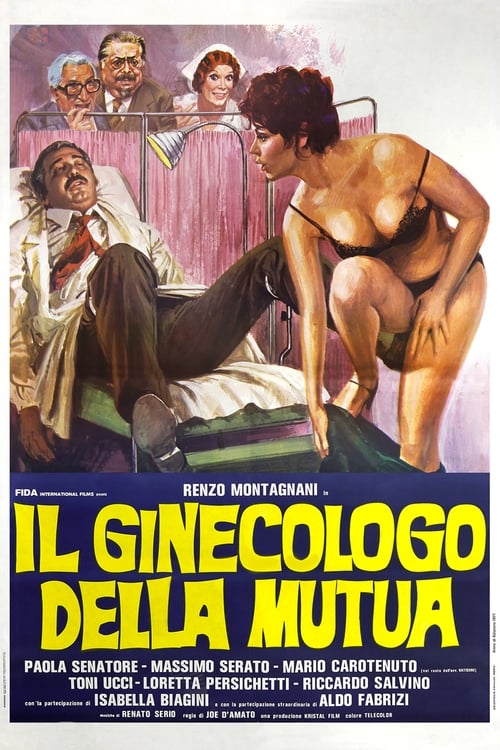
1977
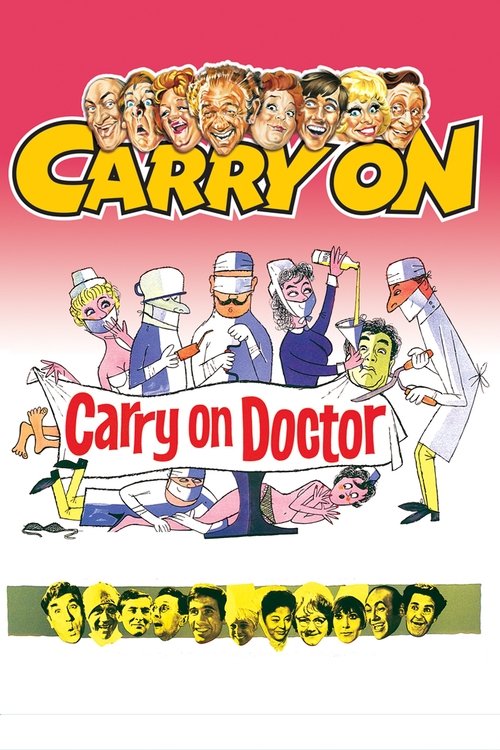
1967
No reviews yet. Be the first to share your thoughts on this movie!
Use the rating form above to leave a star rating and optional review.