Doctor in Love
1960
No user ratings available yet
Representation score: 1.7 out of 10
Representation Score
Minimal
1966
Director
Ralph Thomas
Runtime
97 minutes
Average Rating
No ratings yetNew Showbiz Analysis
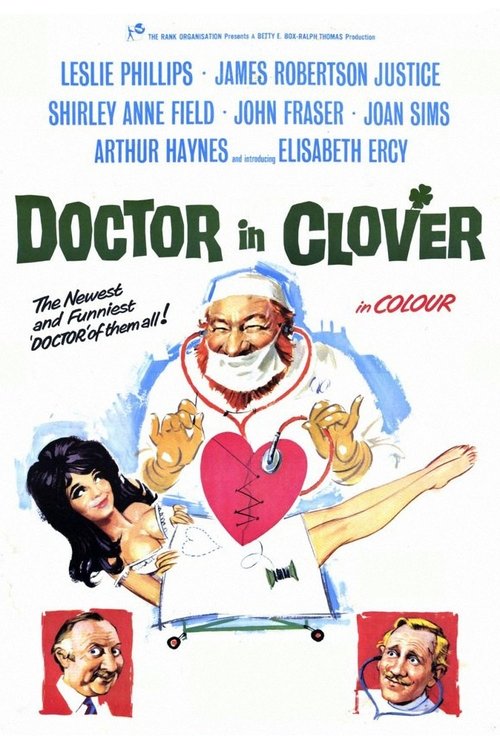
Doctor in Clover is a conventional 1960s comedy that upholds the social and gender hierarchies of its time. The plot revolves around a male doctor's romantic distractions and the resulting conflicts with a male administrator. The film lacks meaningful representation of LGBTQ+ identities or racial diversity, adhering to the homogeneous standards of mid-20th-century British cinema. It prioritizes established institutional roles and traditional values, offering little challenge to the period's social norms.
Category Breakdown
The film focuses solely on heterosexual relationships and does not include any characters with non-cisgender identities or critique traditional orientation frameworks.
The story centers on male characters' actions and romantic pursuits. Female characters like the Matron play traditional roles within the hospital hierarchy.
The film reflects the homogeneous society of 1960s Britain, depicting a predominantly Anglo-Saxon professional environment without any diverse representation.
The story emphasizes traditional Western institutions and medical hierarchies, using comedic clichés to reinforce the established social order.
The hospital setting does not specifically address characters with disabilities. There is no indication of ability to act or exclusion for such characters.
Present on Screen
Limited or Absent
Official Synopsis
Doctor in Clover is another 'Doctor' movie, but this time Leslie Phillips is the main doctor in the story, looking for love and romance from the hospital nurses, much to the annoyance of the main Administrator (James Robertson Justice) who wants his doctors to be 100% focussed on the job. Numerous antics follow, with Phillips getting Justice fixed up with the new prim-and-proper Matron (Joan Sims) and his attempted failures to lure the hospital's beauty, the physiotherapist.
1960
1969
1963
1971

1970

2016
1954
1958
No reviews yet. Be the first to share your thoughts on this movie!
Use the rating form above to leave a star rating and optional review.