Tammy and the Doctor
1963
No user ratings available yet
Diversity score: 1.6 out of 10
1957
NRDirector
Ralph Thomas
Runtime
104 minutes
Average Rating
No ratings yetSynopsis
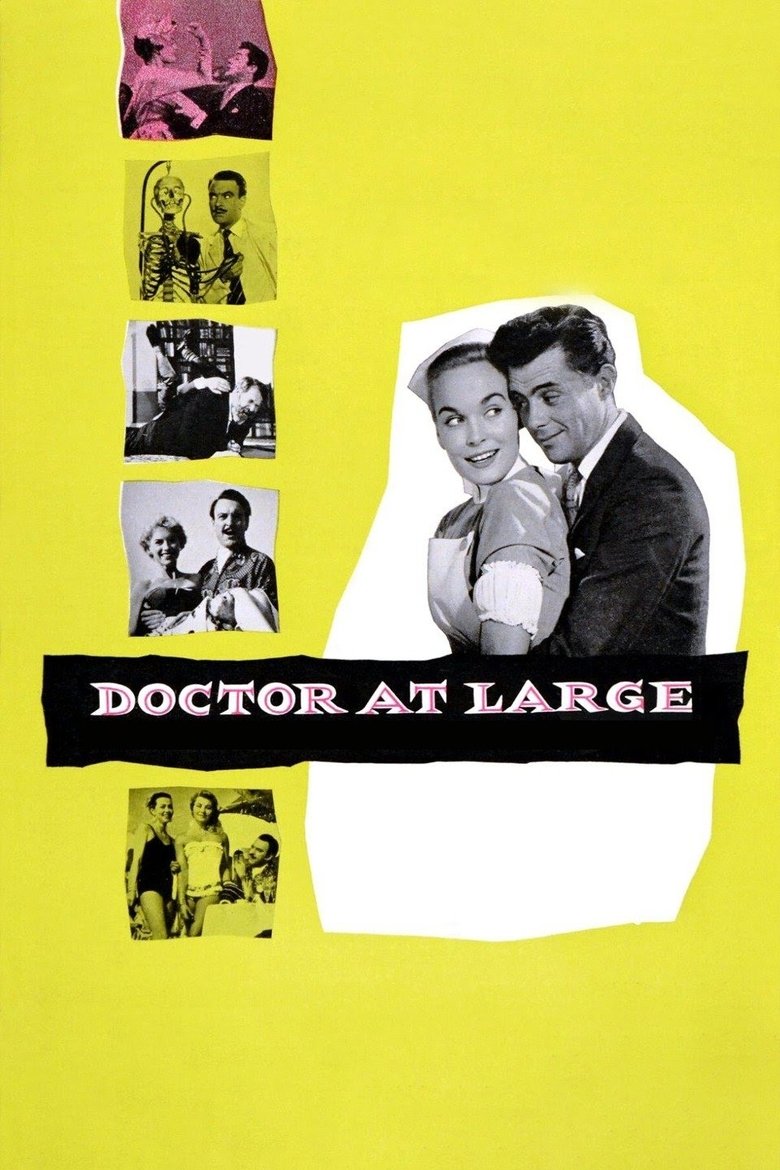
The third of the "Doctor" films. Newly qualified doctor Simon Sparrow goes in search of a job. He applies for a surgery position at the hospital where he studied, but manages to insult the senior surgeon and one of the hospital's governors. So, instead he ends up as assistant to with a niggardly and rather scary GP with an amerous wife, followed by cushy but rather unmedical job with a Harley Street doctor, and then a job with a very nice GP whp is the opposite to the first one. But after getting the chance to rescue the hospital governor from a group of angry ladies at a resort in France, he finally lands a job at his beloved hosdpital.
Overall Score
Limited
Category Breakdown
LGBTQ+ Representation
The film follows a strictly heteronormative framework. It lacks any depiction of non-cisnormative identities or same-sex intimacy, focusing instead on traditional courtship.
Gender Representation
Female characters like Nan McPherson serve primarily as romantic interests or supporting figures. The narrative centers on male professional advancement, reinforcing mid-century patriarchal structures.
Racial & Ethnic Diversity
The cast is largely homogeneous, reflecting the era's cinematic constraints. There is a notable absence of racial or ethnic diversity within the British medical setting.
Religious & Cultural Diversity
The story reinforces traditional Western institutional norms and the British class system. It presents medical and social orders as stable, positive, and conventional.
Disability Representation
Disability is not a central narrative component. The medical setting serves as a backdrop for comedic farce rather than a way to explore physical or neurodivergent experiences.
Strengths
Areas for Improvement
AI Analysis
Doctor at Large is a quintessential 1950s British farce that upholds the social and cultural status quo. The film functions as a lighthearted comedy that reinforces traditional hierarchies rather than challenging them. The narrative lacks meaningful representation across most categories. It centers on a male protagonist's professional journey, utilizing female characters primarily to support his romantic or comedic arcs. The setting remains culturally and racially homogeneous. Ultimately, the film adheres to the conventional expectations of its era. It avoids disrupting existing power dynamics, instead presenting a stable, Anglo-Saxon view of professional and social institutions.
1963
1997
1963
1945
1964
1922
1965
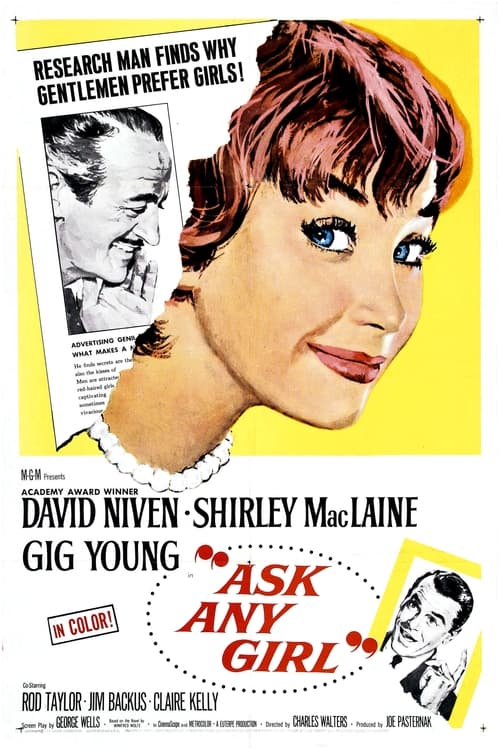
1959
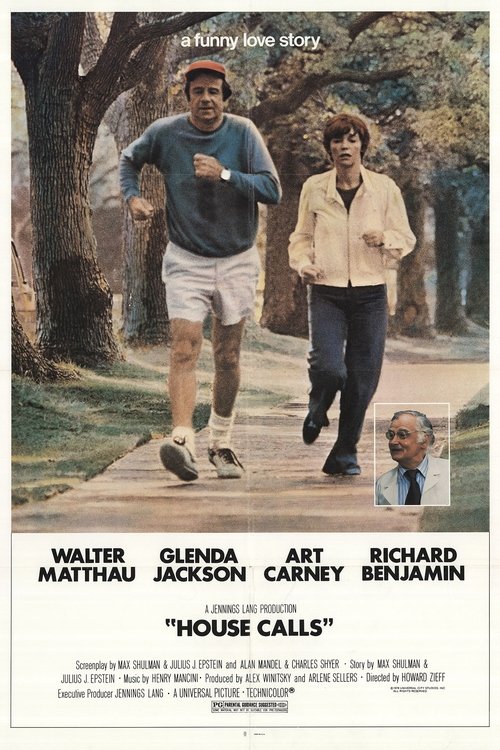
1978
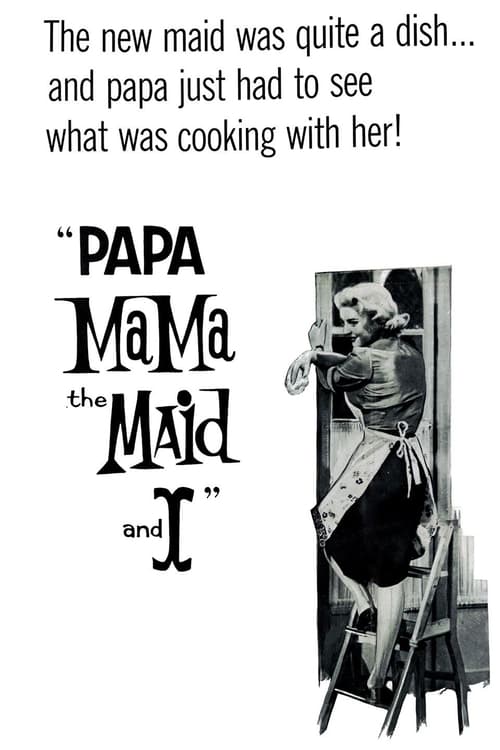
1954
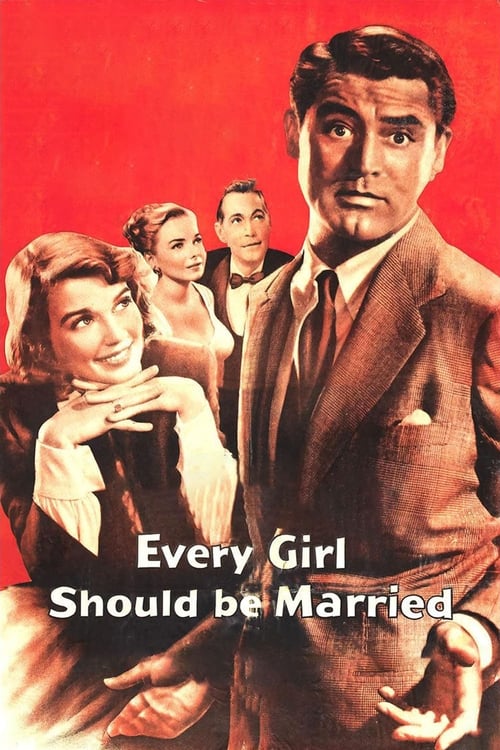
1948
1941
No reviews yet. Be the first to share your thoughts on this movie!
Use the rating form above to leave a star rating and optional review.