How Yukong Moved the Mountains
1976
No user ratings available yet
Representation score: 5.9 out of 10
Representation Score
Limited
2003
Director
Richard Gordon, Geramie Barmé, Carma Hinton
Runtime
117 minutes
Average Rating
No ratings yetNew Showbiz Analysis
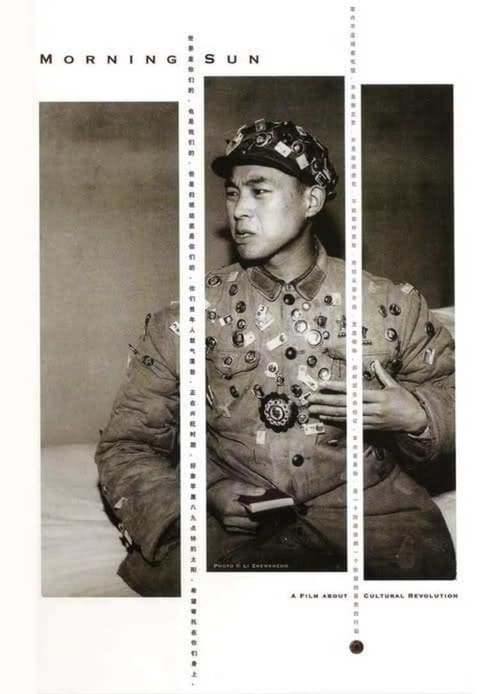
Morning Sun is a sophisticated documentary that rejects top-down historical narratives. Using a decentralized narrative structure, it explores the intersection of identity and memory during the Cultural Revolution. The film’s strength lies in its subversion of institutional authority, focusing on the emotional and psychological landscape of a generation rather than a single, state-approved hero arc. However, the documentary lacks explicit representation for certain identities, such as LGBTQ+ characters or disability-focused stories, and remains focused on a specific socio-political cohort.
Category Breakdown
The documentary does not include any LGBTQ+ characters or stories. There is no indication of LGBTQ+ themes or coded messages among the interviewees.
The film examines how gender roles changed due to political changes. It highlights the complex roles women played during social upheavals, moving beyond typical domestic portrayals.
The subjects are mainly ethnically Chinese, focusing on a particular demographic group. It avoids a one-dimensional perspective by offering detailed, multi-perspective views of this group.
The film stands out by emphasizing personal 'inner history' over official records. It challenges centralized political control by validating the personal truths and memories of its subjects.
There is no significant depiction of visible or invisible disabilities in this documentary.
Present on Screen
Limited or Absent
Official Synopsis
The film Morning Sun attempts in the space of a two-hour documentary film to create an inner history of the Great Proletarian Cultural Revolution (c.1964-1976). It provides a multi-perspective view of a tumultuous period as seen through the eyes—and reflected in the hearts and minds—of members of the high-school generation that was born around the time of the founding of the People’s Republic of China in 1949, and that came of age in the 1960s. Others join them in creating in the film’s conversation about the period and the psycho-emotional topography of high-Maoist China, as well as the enduring legacy of that period.
1976
1965
2006
2019
2007
2012
1995
2023
No reviews yet. Be the first to share your thoughts on this movie!
Use the rating form above to leave a star rating and optional review.