Inside Llewyn Davis
2013
No user ratings available yet
Representation score: 8.1 out of 10
Representation Score
Fair
1999
PG-13Director
Woody Allen
Runtime
95 minutes
Average Rating
No ratings yetNew Showbiz Analysis
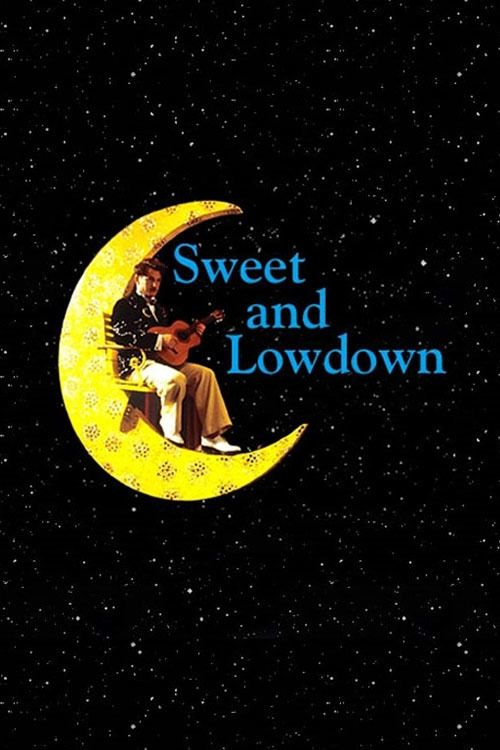
Sweet and Lowdown is a specialized character study that prioritizes aesthetic mood and moral ambiguity over demographic breadth. The film focuses on a specific ethnic subculture rather than a diverse social tapestry. While the film lacks a broad range of diverse representations, it provides a sophisticated disruption of the traditional hero's journey. It replaces conventional moral structures with a postmodern exploration of flawed, mediocre protagonists. Ultimately, the film's value lies in its critique of Western institutional success and its embrace of situational ethics, rather than its commitment to representative diversity.
Category Breakdown
There are no LGBTQ+ characters or critiques of traditional social structures in the film. It operates within a framework that assumes everyone is straight or cisgender.
Female characters play minor roles in the film, which centers around male professional dynamics. The film does not give female characters significant roles in driving the story.
The cast is mostly white and Jewish, reflecting a specific cultural background. The film does not center the Black American history that is inherent to the jazz genre.
The film offers a sophisticated critique of institutional morality and capitalism, deconstructing traditional success metrics and the commercialization of art.
A mute character appears in the film but lacks independent ability to act or a complex exploration of their condition. This character is part of the protagonist's romantic relationship.
Present on Screen
Limited or Absent
Official Synopsis
In the 1930s, jazz guitarist Emmet Ray idolizes Django Reinhardt, faces gangsters and falls in love with a mute woman.
2013

1954
1989

1952
1990

1988
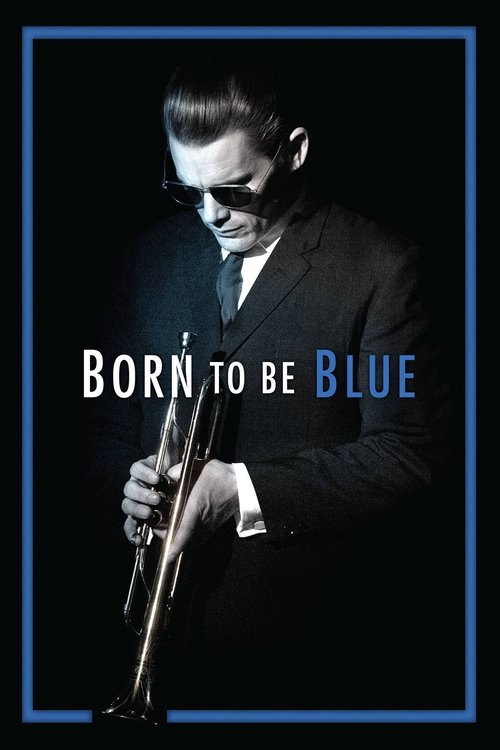
2015

1951
No reviews yet. Be the first to share your thoughts on this movie!
Use the rating form above to leave a star rating and optional review.