The Broadway Melody
1929
No user ratings available yet
Representation score: 1.2 out of 10
Representation Score
Minimal
1948
NRDirector
Charles Walters
Runtime
103 minutes
Average Rating
No ratings yetNew Showbiz Analysis
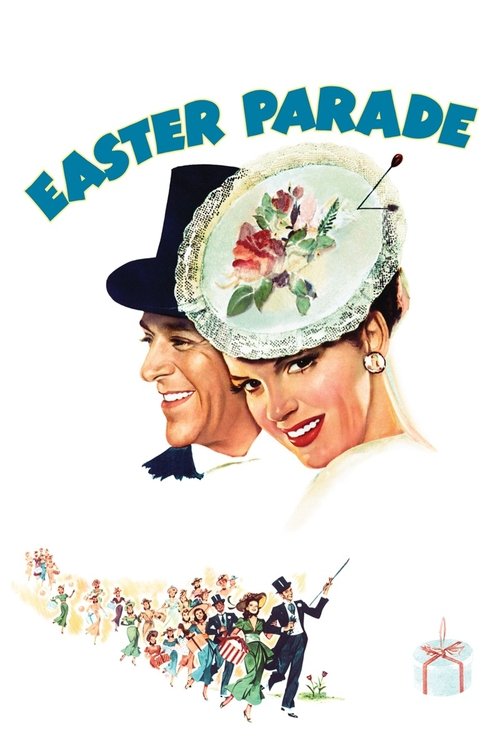
Easter Parade is a quintessential MGM musical that prioritizes escapism and romantic idealism over social critique. The film adheres to the established narrative structures of the Golden Age, focusing on polished production values and traditional courtship dynamics. The demographic profile is highly homogeneous, lacking racial diversity and any representation of LGBTQ+ identities. While the female characters show professional competence, the central plot remains anchored in mid-century gender hierarchies and male-driven emotional arcs. Ultimately, the film functions as a reinforcement of the 1948 cultural status quo, offering a polished experience that upholds Western entertainment norms without challenging systemic social structures.
Category Breakdown
The film follows a strictly heterosexual and cisgender-focused structure, with no queer subtext or non-conforming gender identities present.
Female characters display professional talent and play significant roles in the story. However, the plot is primarily driven by the male protagonist's emotional journey and mentorship.
The cast is overwhelmingly white and Anglo-Saxon, reflecting the era's lack of diversity. There is no evidence of color-blind casting or characters who reflect more than one aspect of diversity.
The story celebrates traditional Western entertainment and the optimism of the post-war era. It reinforces the stability of the theatrical establishment and conventional morality.
The film does not include characters with visible or invisible disabilities. Disability is not used as a narrative device.
Present on Screen
Limited or Absent
Official Synopsis
On the day before Easter in 1911, Don Hewes is crushed when his dancing partner (and object of affection) Nadine Hale refuses to start a new contract with him. To prove Nadine's not important to him, Don acquires innocent new protege Hannah Brown, vowing to make her a star in time for next year's Easter parade.
1929
1935

1953

1936
1954
1951

1940

1954
No reviews yet. Be the first to share your thoughts on this movie!
Use the rating form above to leave a star rating and optional review.