
To Marry the Captain
1985
No user ratings available yet
Diversity score: 3.3 out of 10

1964
Director
Venyamin Dorman
Runtime
95 minutes
Average Rating
No ratings yetSynopsis
A chemist by training, Alexandr Bochkin manages a Moscow dry-cleaning operation, but lives a very comfortable life, taking orders on the side for his speculative "private enterprise," run in conjunction with "Queen Margot". But when his old friend from the chemical institute, Yuri Lebedev arrives in Moscow from the Siberian city of Dalnegorsk, along with a traveling companion, Olga, Bochkin becomes uncomfortable with his job title.
Overall Score
Limited
Category Breakdown
LGBTQ+ Representation
The film follows traditional romantic comedy structures typical of its era. There is no evidence of LGBTQ+ characters or non-heteronormative narratives.
Gender Representation
The story maintains a male-centric perspective focused on professional discomfort and social maneuvering. While female characters like Olga appear, they function within conventional mid-century cinematic frameworks.
Racial & Ethnic Diversity
The setting and casting likely reflect a homogeneous Slavic demographic. The narrative prioritizes internal Soviet social dynamics over intersectional racial or ethnic plurality.
Religious & Cultural Diversity
The film offers a nuanced look at the tension between state-sanctioned roles and private enterprise. This provides a sophisticated critique of institutional rigidity and socialist conformity.
Disability Representation
There is no mention or evidence of characters with visible or invisible disabilities.
Strengths
Areas for Improvement
AI Analysis
An Easy Life is a period-specific social comedy that prioritizes the friction between official state identity and individual economic agency. While it provides a subtle critique of social morality, it remains rooted in the demographic norms of 1964 Soviet cinema. The film lacks intersectional depth, offering little in the way of diverse casting or the subversion of traditional hierarchies. It functions more as a reflection of institutional structures than a disruption of them. Ultimately, the narrative's complexity is found in its social commentary rather than its representation of marginalized identities.
1985

1954
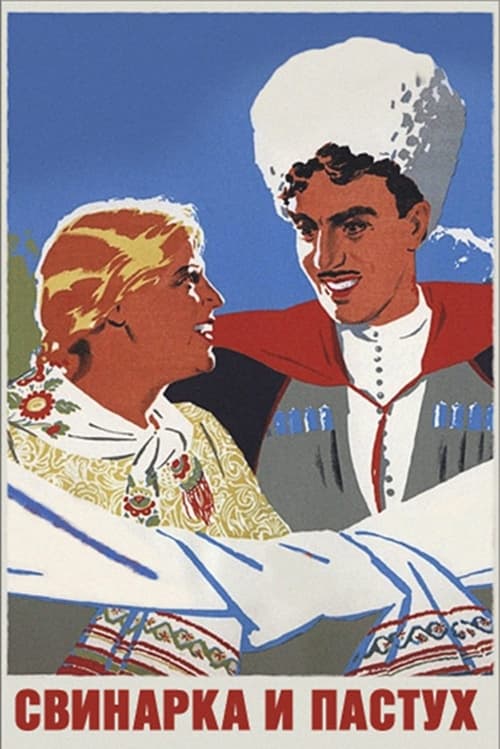
1941
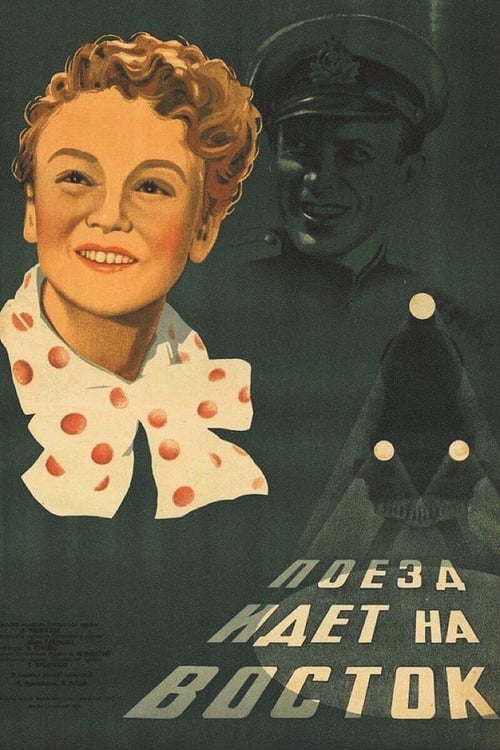
1948

2014
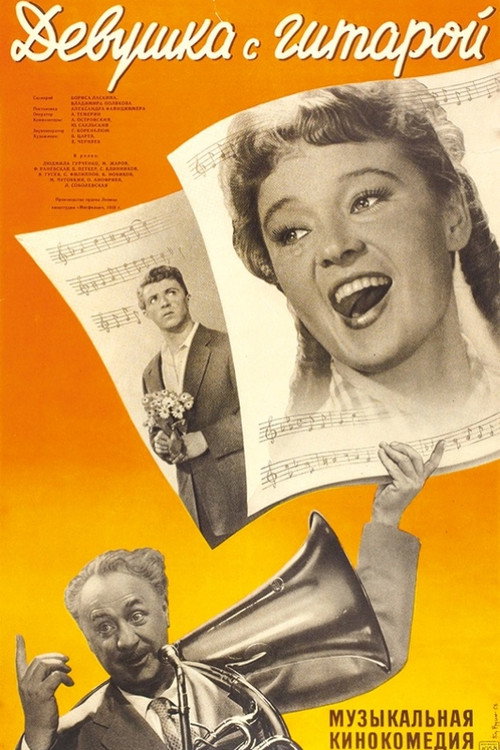
1958
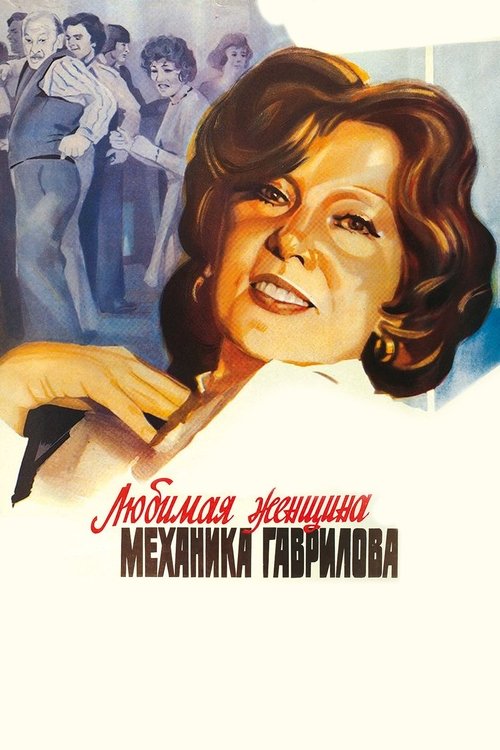
1982
1978
1983

1972
1944

1979
No reviews yet. Be the first to share your thoughts on this movie!
Use the rating form above to leave a star rating and optional review.