
Hello and Goodbye
1972
No user ratings available yet
Diversity score: 5.1 out of 10

1985
Director
Vitaliy Melnikov
Runtime
90 minutes
Average Rating
No ratings yetSynopsis
Captain Alexander Blinov goes on vacation and has to give a package to Lena. Lena is freelance photo journalist who runs from job to job. She also has a long conflicting relationship with her retired neighbor who thinks that people like her shouldn't live. Somehow, Blinov get's involved in that conflict and all other Lena's crazy adventures, and falls in love.
Overall Score
Limited
Category Breakdown
LGBTQ+ Representation
The film follows conventional heteronormative romantic structures. There are no non-cisnormative gender identities or same-sex narratives present.
Gender Representation
Lena provides a moderate subversion of gender roles through her professional autonomy as a photojournalist. However, the romantic arc remains tethered to traditional hierarchies.
Racial & Ethnic Diversity
The cast is homogeneous, reflecting the local Soviet demographic. The narrative does not prioritize intersectional racial dynamics or intentional blending.
Religious & Cultural Diversity
The story highlights tensions between individualistic lifestyles and rigid social structures. It uses social friction to explore personal autonomy against traditional decorum.
Disability Representation
There are no visible or invisible disabilities portrayed as central to the character arcs or narrative agency.
Strengths
Areas for Improvement
AI Analysis
To Marry the Captain is a culturally specific Soviet romantic comedy that offers a nuanced look at gendered agency. While the female lead, Lena, disrupts domestic archetypes through her nomadic professional life, the film remains rooted in traditional romantic storytelling. The production lacks modern intersectional diversity, focusing instead on a localized demographic. The narrative's strength lies in its critique of social friction rather than its demographic breadth. Ultimately, the film functions within the historical constraints of its era, prioritizing a traditional romantic pairing over progressive identity representation.
1972

1971

1964
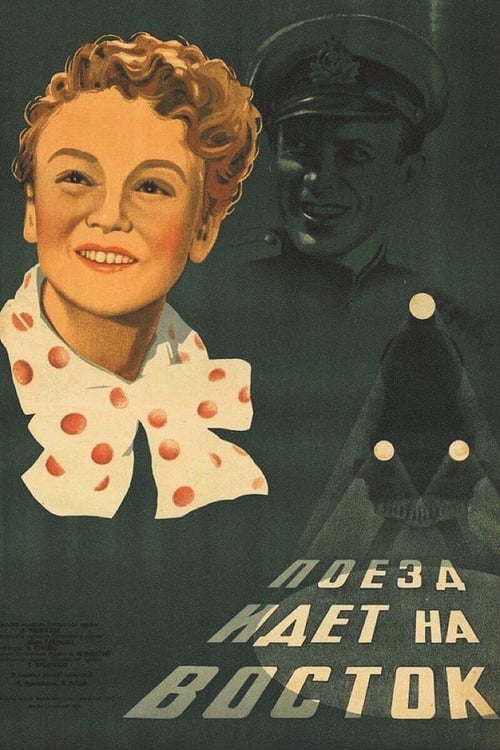
1948

1957

2014
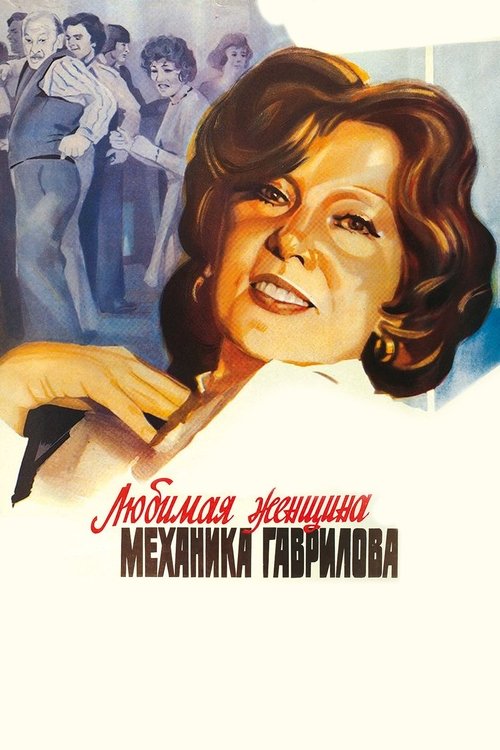
1982

2010
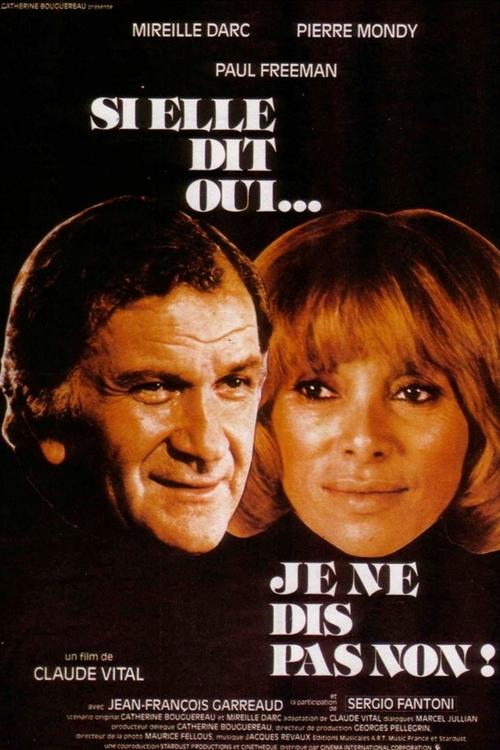
1983

1983

2010

2004
No reviews yet. Be the first to share your thoughts on this movie!
Use the rating form above to leave a star rating and optional review.