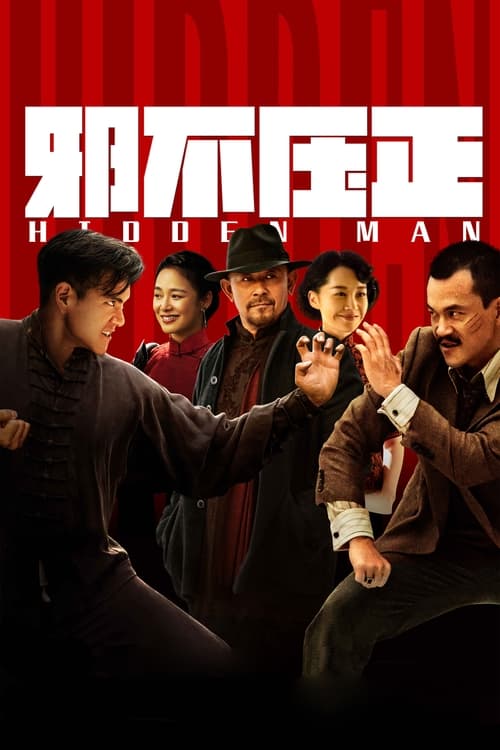
Hidden Man
2018
No user ratings available yet
Diversity score: 5.7 out of 10

2004
Director
Im Kwon-taek
Runtime
105 minutes
Average Rating
No ratings yetSynopsis
A sprawling story of one man's tumultuous life within the context of the South Korean political situation during the second half of the 20th century.
Overall Score
Fair
Category Breakdown
LGBTQ+ Representation
The film focuses on the socioeconomic struggles of a male protagonist in a mid-20th-century urban setting. It does not feature queer narratives or non-cisnormative identities.
Gender Representation
The narrative is rooted in the patriarchal structures of 1960s South Korea. The protagonist's agency is defined by traditional masculine roles, and female characters lack significant narrative agency.
Racial & Ethnic Diversity
A culturally homogenous Korean cast grounds the story in a specific post-war reality. This avoids Western-centric casting to prioritize an authentic, localized perspective of the working class.
Religious & Cultural Diversity
The film critiques socioeconomic conditions by framing criminal actions as necessary responses to systemic pressure. It challenges idealized progress by highlighting the friction between individuals and the state.
Disability Representation
There are no prominent depictions of physical or neurodivergent disabilities. Characters with disabilities are not utilized as central plot devices within the narrative.
Strengths
Areas for Improvement
AI Analysis
Im Kwon-taek’s work functions as a piece of historical realism that prioritizes socioeconomic critique over demographic breadth. The film succeeds in providing a culturally authentic look at the Korean working class and the criminal underworld during a period of intense political shift. However, the film lacks contemporary identity-based representation. It adheres strictly to the patriarchal and heteronormative social structures of its historical setting, offering little space for LGBTQ+ identities or characters with disabilities. Ultimately, the film's value lies in its disruption of heroic narratives. It replaces traditional moralism with a nuanced view of survival within a rigid, often oppressive, social order.
2018

1972

2021
2013

2008
2021

2019
1983
1990
2002
1981
1986
No reviews yet. Be the first to share your thoughts on this movie!
Use the rating form above to leave a star rating and optional review.