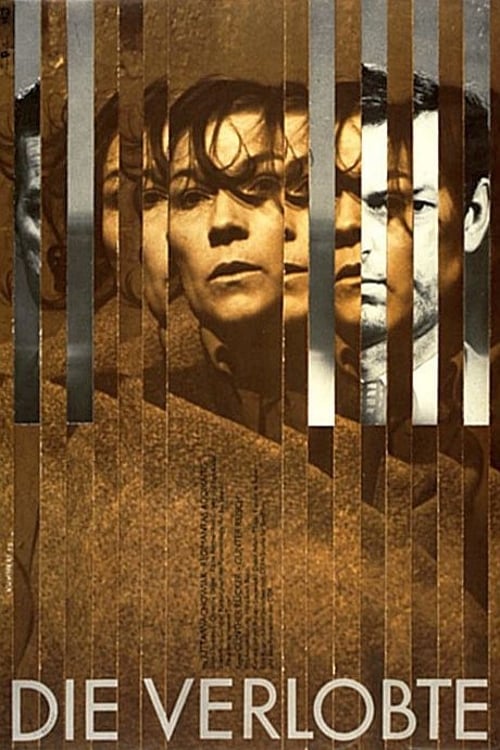
The Fiancee
1980
No user ratings available yet
Representation score: 5.6 out of 10
Representation Score
Good
1973
Director
Binka Zhelyazkova
Runtime
118 minutes
Average Rating
No ratings yetNew Showbiz Analysis
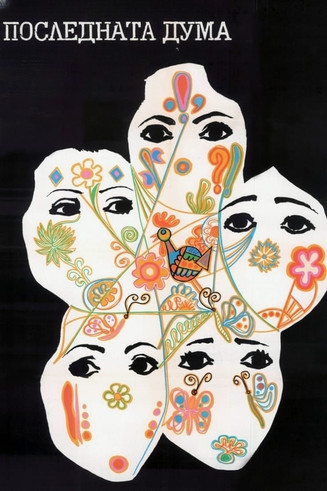
The Last Word is a powerful study of collective resistance, driven by a cast of seven women facing state-sponsored violence. It successfully challenges traditional gender roles by prioritizing female intellectual fortitude and political ability to act over domesticity or victimhood. While the film is historically grounded in a specific Bulgarian context, which limits multi-ethnic diversity, it excels in its critique of authoritarianism. The narrative replaces individualistic survival with a communalist ethos, finding profound human dignity in the characters' refusal to betray one another. Ultimately, the film's strength lies in its psychological depth and its ability to center underrepresented voices within a restrictive systemic framework.
Category Breakdown
The film explores the intersection of gender and political resistance but does not include LGBTQ+ characters or narratives focused on non-cisgender identities.
The narrative centers on women's ability to drive the story, disrupting traditional hierarchies by focusing on seven women in a political struggle. Characters are defined by their political convictions rather than their relationships to men.
The cast reflects the ethnic homogeneity of 1940s Bulgaria. Diversity is expressed through political identity and gender rather than multi-ethnic casting within this specific historical setting.
The film critiques oppressive state institutions and fascist structures, emphasizing collective solidarity and human dignity. Characters find joy and celebration amidst state-sanctioned atrocities.
The drama focuses on psychological and political endurance. There is no specific evidence regarding the intentional representation of visible or invisible disabilities as central narrative drivers.
Present on Screen
Limited or Absent
Official Synopsis
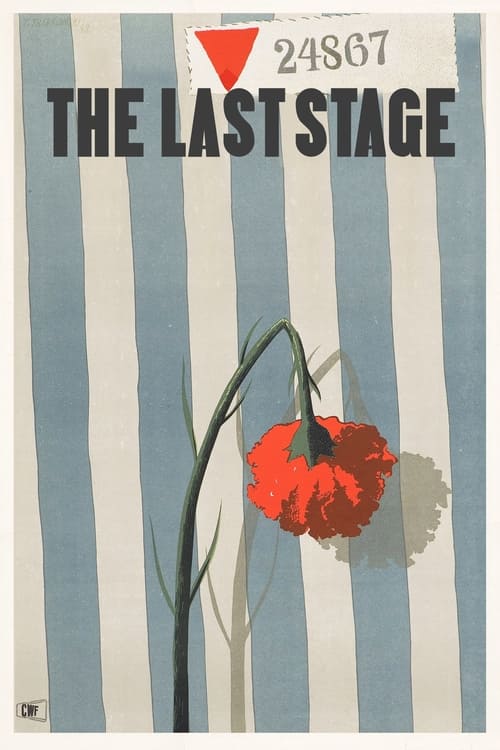
The seven women inmates in Poslednata Duma are imprisoned because they have been associated with partisans opposing the fascist puppet government of the German Nazis. Each of them has the power to save herself if she will betray the others, and each bravely refuses to do so, even though it means they all will die. Despite their grim situation, and the atrocities perpetuated on them as political prisoners, they manage to laugh, and even celebrate a festival.
1980
1957
1995
1985
1972

2007
1960
1948
No reviews yet. Be the first to share your thoughts on this movie!
Use the rating form above to leave a star rating and optional review.