Germany Pale Mother
1980
No user ratings available yet
Diversity score: 4.8 out of 10
1972
Director
Jaromil Jireš
Runtime
86 minutes
Average Rating
No ratings yetSynopsis
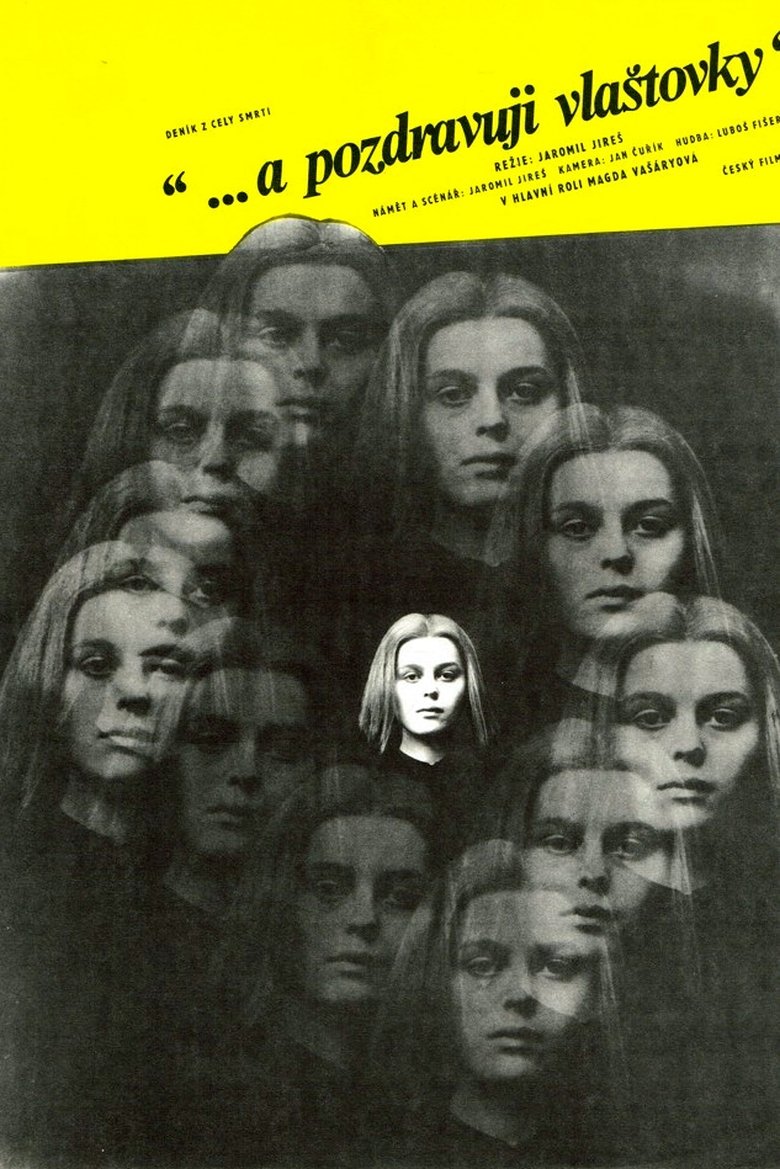
This film, chronicling the last days of Czech resistance fighter Maruska Kuderikova (played by Magda Vasaryova), is based on her diaries. Though she was tortured and eventually executed by the Nazis, her diaries indicate that she was optimistic for the humanity of her captors and did not by any means hate them. Told with simple dignity, this film makes clear why Maruska became a national hero.
Overall Score
Fair
Category Breakdown
LGBTQ+ Representation
The film lacks explicit LGBTQ+ characters or non-heteronormative pairings. While it explores sexual awakening and personal liberation, these themes do not translate into specific identity-based representation.
Gender Representation
The narrative centers on Maruska Kuderikova, elevating female agency and intellect. It successfully disrupts traditional hierarchies by portraying female sexuality as a tool for personal autonomy rather than submission.
Racial & Ethnic Diversity
Reflecting the demographic homogeneity of 1940s Czechoslovakia, the film lacks racial blending. This adherence to historical setting results in low diversity by modern standards.
Religious & Cultural Diversity
The film deconstructs traditional morality by portraying a protagonist who refuses to hate her captors. It prioritizes individual truth over rigid, institutionalized social dogmas.
Disability Representation
There is no central depiction of physical or neurodivergent disabilities. While the protagonist faces psychological trauma, the film does not use disability as a specific character study.
Strengths
Areas for Improvement
AI Analysis
Jaromil Jireš delivers a powerful study of individual subjectivity, primarily through its sophisticated subversion of gender roles. By centering the story on Maruska Kuderikova’s internal life, the film grants her a level of agency rarely seen in period dramas. However, the film is constrained by its specific historical and geographical setting. The lack of racial and LGBTQ+ diversity reflects the era's homogeneity rather than a modern inclusive intent, limiting its breadth. Ultimately, the work succeeds as a progressive narrative by challenging binary notions of heroism and morality, focusing on the tension between personal desire and social structures.
1980
2002
1997
1973
1975

2017
2019
1963

2014

2008
2018
2017
No reviews yet. Be the first to share your thoughts on this movie!
Use the rating form above to leave a star rating and optional review.