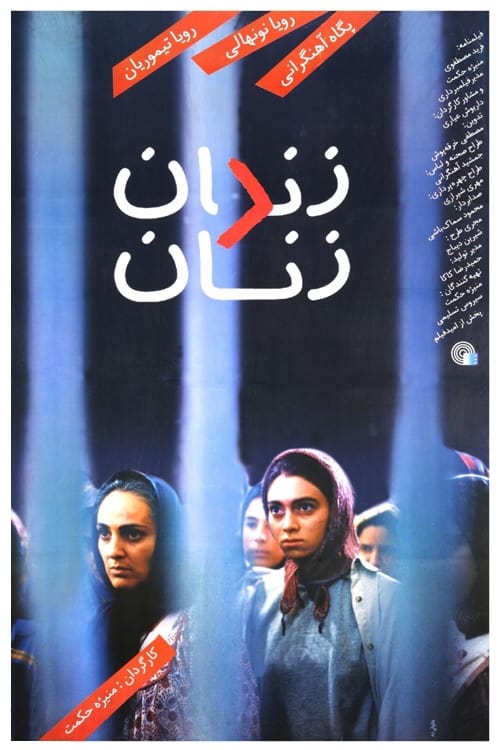
Women's Prison
2002
No user ratings available yet
Representation score: 8.6 out of 10
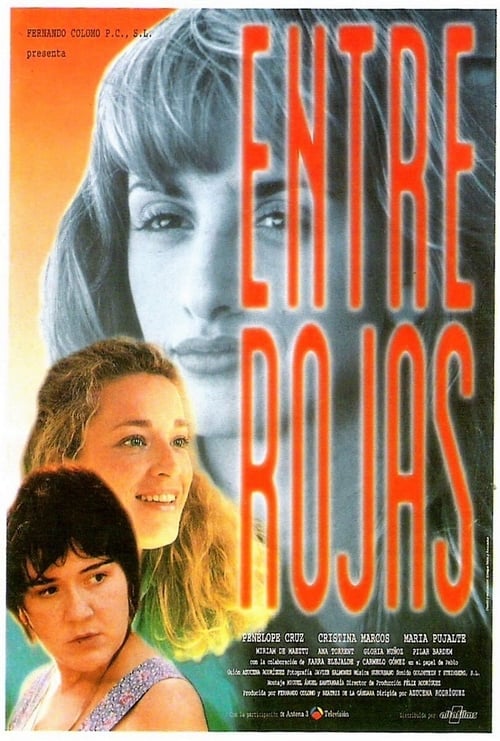
Representation Score
Good
1995
Director
Azucena Rodríguez
Runtime
93 minutes
Average Rating
No ratings yetNew Showbiz Analysis
Entre rojas is a powerful exploration of women's ability to drive the story within the oppressive environment of a 1974 Spanish prison. By focusing on the varied lives of women from different social backgrounds, the film effectively challenges patriarchal and state-imposed hierarchies. The film stands out in its cultural critique of the Francoist era, using solidarity and community as tools of resistance. Although it lacks explicit racial diversity or disability representation, its focus on class-based differences adds significant depth. Ultimately, the film transforms a site of state punishment into a space for shared identity and emotional survival.
Category Breakdown
The film highlights strong bonds of solidarity and support among women in confinement, suggesting a challenge to the era's strict social norms through non-traditional relationships.
The story focuses on a diverse female prison population, ranging from educated women to those who are illiterate. It emphasizes women's ability to drive the story and their emotional resilience over male-led political movements.
Diversity is shown through socio-political differences and class distinctions in 1974 Madrid. However, there is little evidence of significant non-white racial diversity within this specific historical context.
The story criticizes the Francoist dictatorship and the imposed moral order. It portrays the prison as a place where communal joy and resistance thrive against corrupt institutions.
The narrative does not include characters dealing with physical or neurodivergent disabilities.
Present on Screen
Limited or Absent
Official Synopsis
Madrid, 1974. Former women's jail of Yeserias. Lucia, a girl well situated in society, is condemned to spend ten years in jail due to her relation with a politic militant against Franco's dictatorship. While being in prison she lives with every kind of woman: intelectuals, killers, illiterates, ... All of them must share food, living space, joys and pities; joined by the same fate, lack of freedom, they will have to fight together against desperation. Lucia is willing o live, to learn form that world the fate has given to her where, on the contrary to what she imagines, tenderness and laugh exist. And also the complicity and solidarity of some women living an experience which will mark them for ever.
2002
2022
1978
2000

1985

1985
1974
1989
No reviews yet. Be the first to share your thoughts on this movie!
Use the rating form above to leave a star rating and optional review.