The Killer Is Loose
1956
No user ratings available yet
Representation score: 0.4 out of 10
Representation Score
Minimal
1959
NRDirector
Édouard Molinaro
Runtime
86 minutes
Average Rating
No ratings yetNew Showbiz Analysis
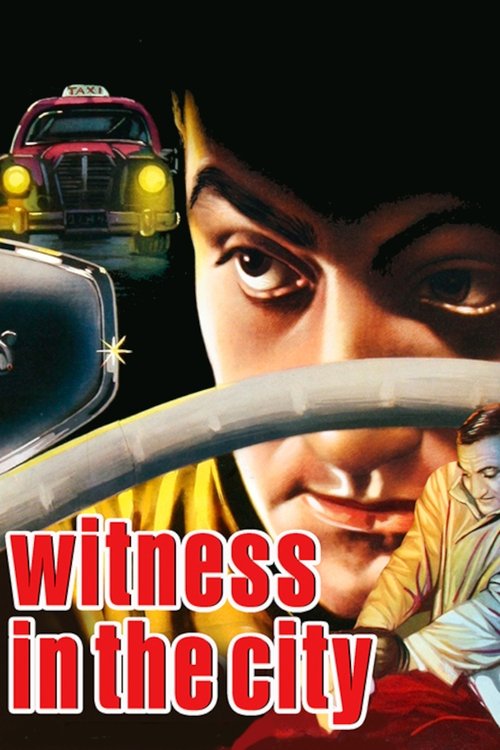
Witness in the City functions as a standard mid-century crime thriller, prioritizing a male-centric revenge plot. The narrative structure relies on traditional social hierarchies, leaving little room for diverse perspectives or multi-layered identities. The film's focus remains on the tension between personal ethics and the law, providing moral complexity but not extending into a broader critique of systemic or cultural structures. Ultimately, the work reflects the demographic and social norms of 1950s France, offering a classical storytelling experience rather than a progressive subversion of social norms.
Category Breakdown
The film follows a traditional crime and revenge storyline. It does not include any non-binary gender identities or same-sex relationships, sticking to the assumption that everyone is straight and cisgender, which was common in 1950s French cinema.
Male characters dominate the narrative, while women like Jeanne Ancelin mainly serve as catalysts for male-driven conflicts rather than having their own autonomy.
The casting reflects a homogeneous white European demographic typical of mid-century Parisian dramas. There is no indication of racial plurality or diverse ethnic representation.
The story explores moral tension between individual conscience and the judicial system. However, it does not specifically critique Western institutions or systemic oppression.
There is no verifiable evidence of characters with visible or invisible disabilities. Disability is not used as a central theme or plot device.
Present on Screen
Limited or Absent
Official Synopsis
Industrialist Pierre Verdier kills his mistress Jeanne Ancelin by throwing her off a train. Her husband, Ancelin, decides to take revenge on his wife's murderer, who has been acquitted by justice.
1956
1975
1956

1958
1974
1956

1977
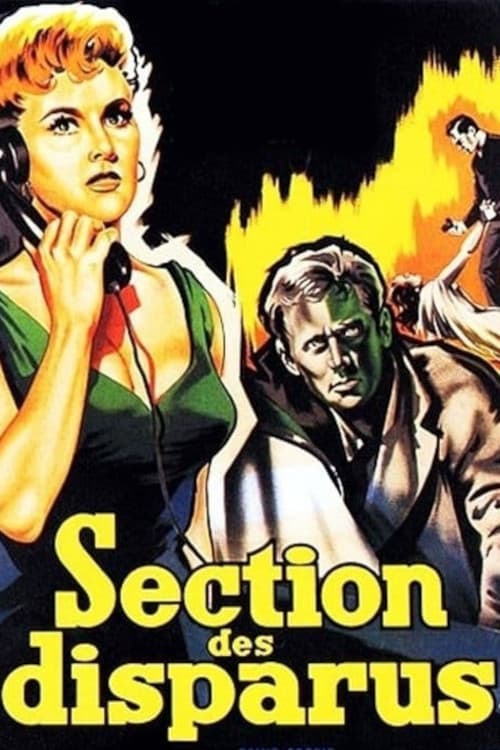
1956
No reviews yet. Be the first to share your thoughts on this movie!
Use the rating form above to leave a star rating and optional review.