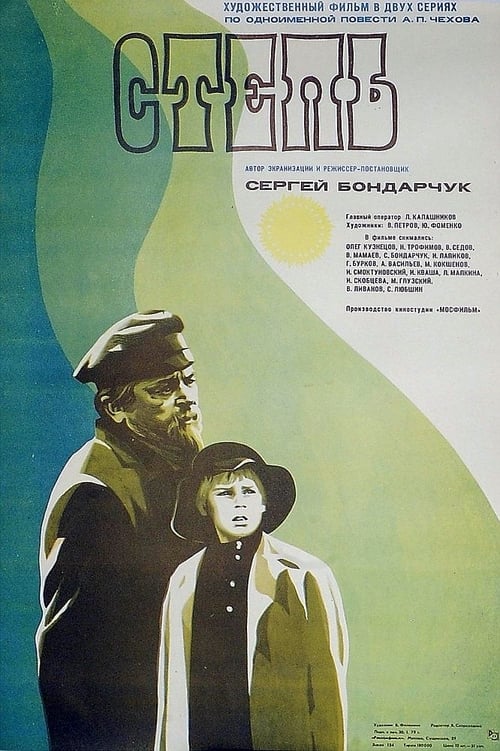
The Steppe
1978
No user ratings available yet
Representation score: 1.8 out of 10
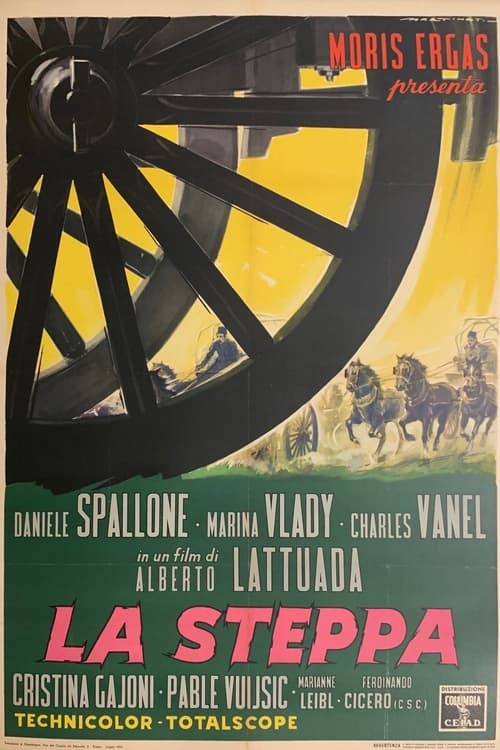
Representation Score
Minimal
1962
Director
Alberto Lattuada
Runtime
100 minutes
Average Rating
No ratings yetNew Showbiz Analysis
Alberto Lattuada’s adaptation of Chekhov focuses on historical realism and ethnographic texture. The film captures the atmospheric journey of a young peasant boy across the Russian steppes, emphasizing the vastness of nature and the socioeconomic realities of the time. While the film excels in portraying a specific cultural landscape with authentic casting and period-accurate social structures, it does not engage with contemporary identity politics. The narrative remains rooted in the traditional hierarchies and social norms of 19th-century Russia.
Category Breakdown
The film follows strict 19th-century social norms and does not depict any non-traditional gender identities or relationships.
Women appear in various roles but mainly follow traditional social roles typical of Tsarist-era Russia.
The cast is predominantly Eastern European, maintaining the geographical authenticity of the setting.
The story highlights the socioeconomic conditions of Russian peasants, with religious and traditional elements serving as a backdrop.
The narrative centers on the protagonist's journey and encounters, without highlighting characters with disabilities.
Present on Screen
Limited or Absent
Official Synopsis
Based on a Anton Chekhov short story, this slight tale has some good moments as the drama of a young boy's journey unfolds. The lad comes from peasant stock, and one day his family decides it would be best for him to go live with his uncle in the city. The only problem is that the city is all the way across the Russian steppes, and at this time in history, that arduous journey could only be undertaken by horse and carriage. Reminiscent of the American pioneer wagon trains heading West, the tale lacks any attacks from hostile forces but is filled with charming vignettes. In one part of the journey, the boy comes across some fishermen along a river, harpooning their catch for the day. In another segment, he is entertained when some folk dancers do a lively show. But in general, it is too long and unmomentous a journey to hold attention well for nearly two hours.
1978
1990

1961
1961
1962
1972
1964
1964
No reviews yet. Be the first to share your thoughts on this movie!
Use the rating form above to leave a star rating and optional review.